
Last updated November 22, 2026
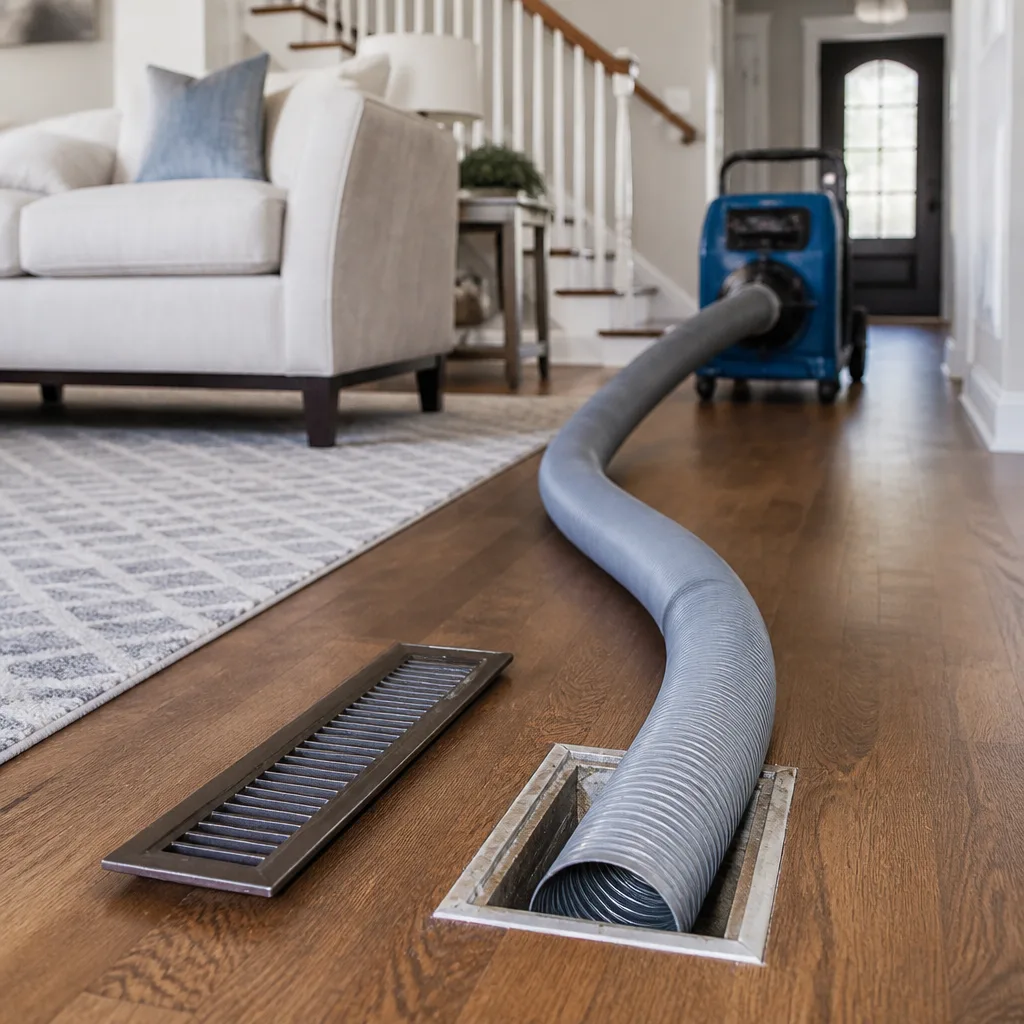 Whole-home duct cleaning
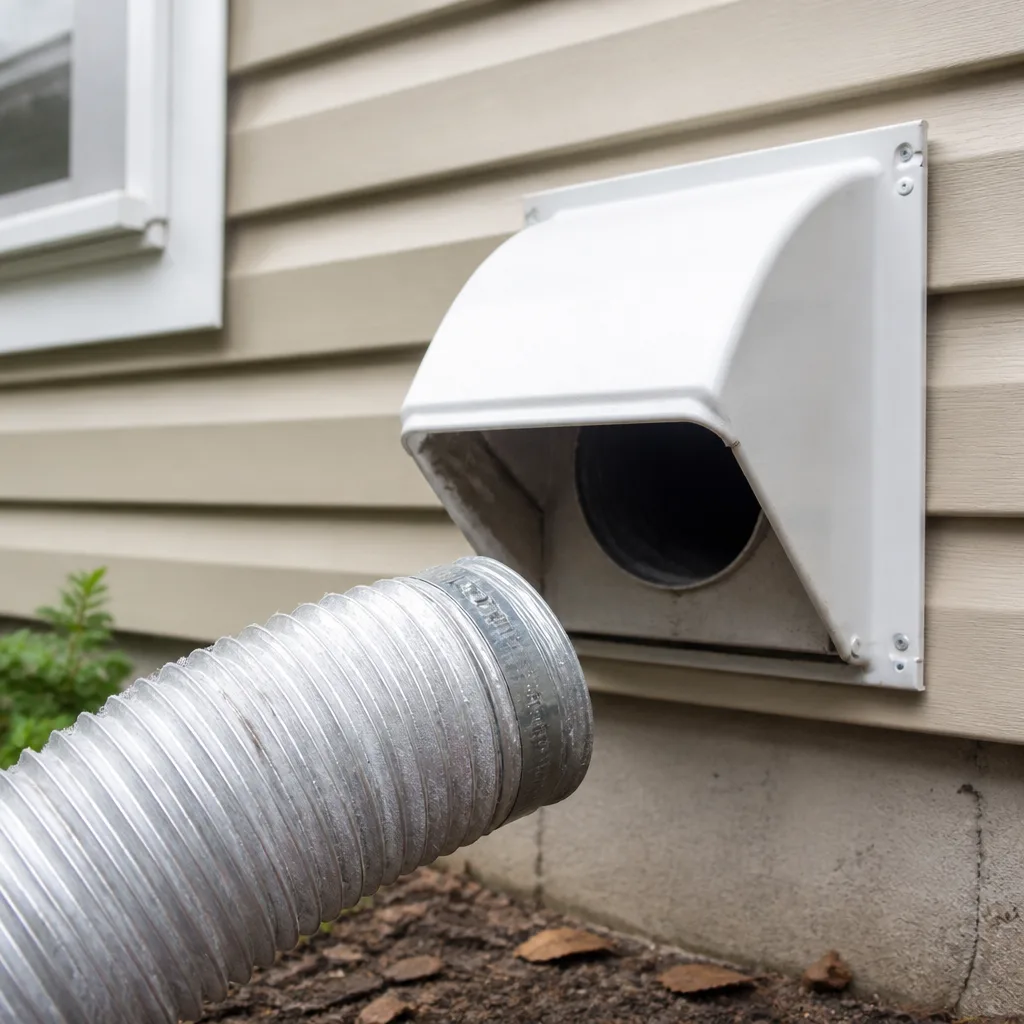 Dryer vent cleaning
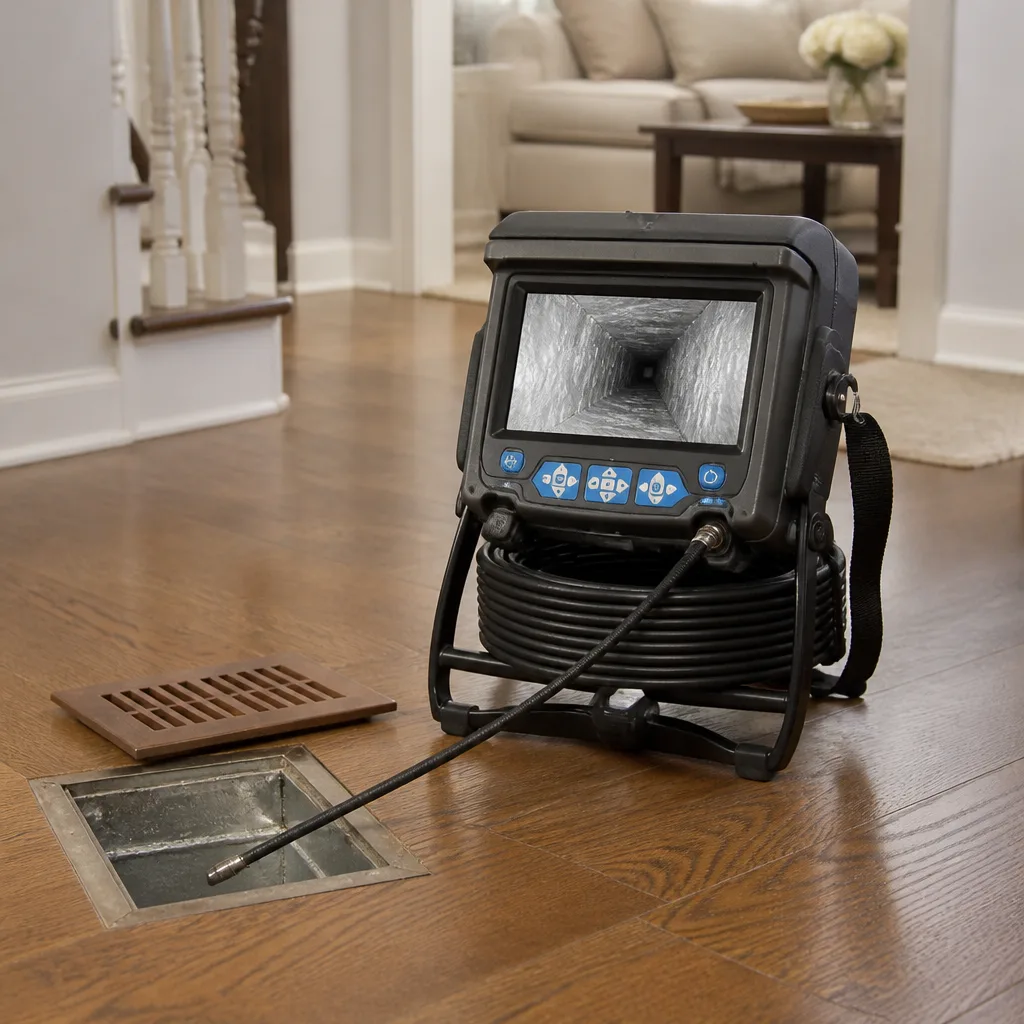 Camera inspection
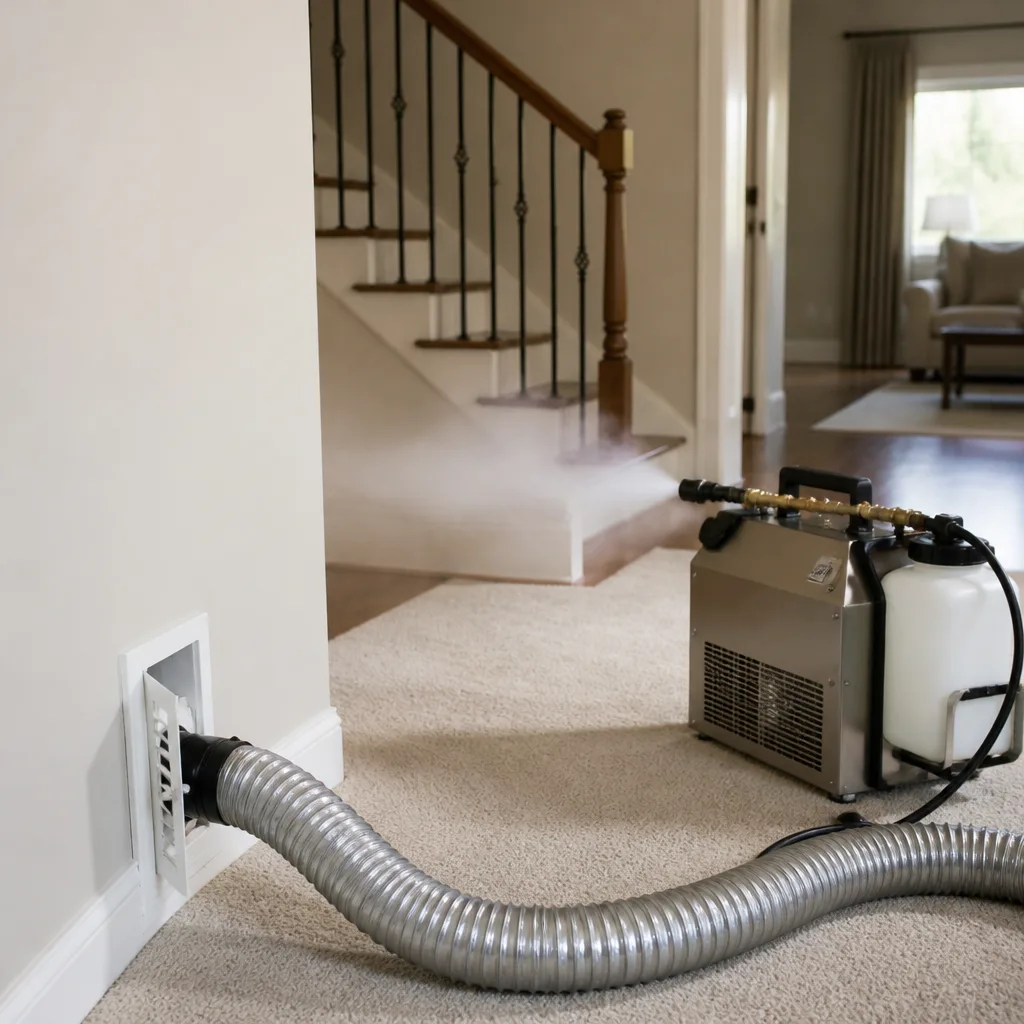 Sanitizing & deodorizing
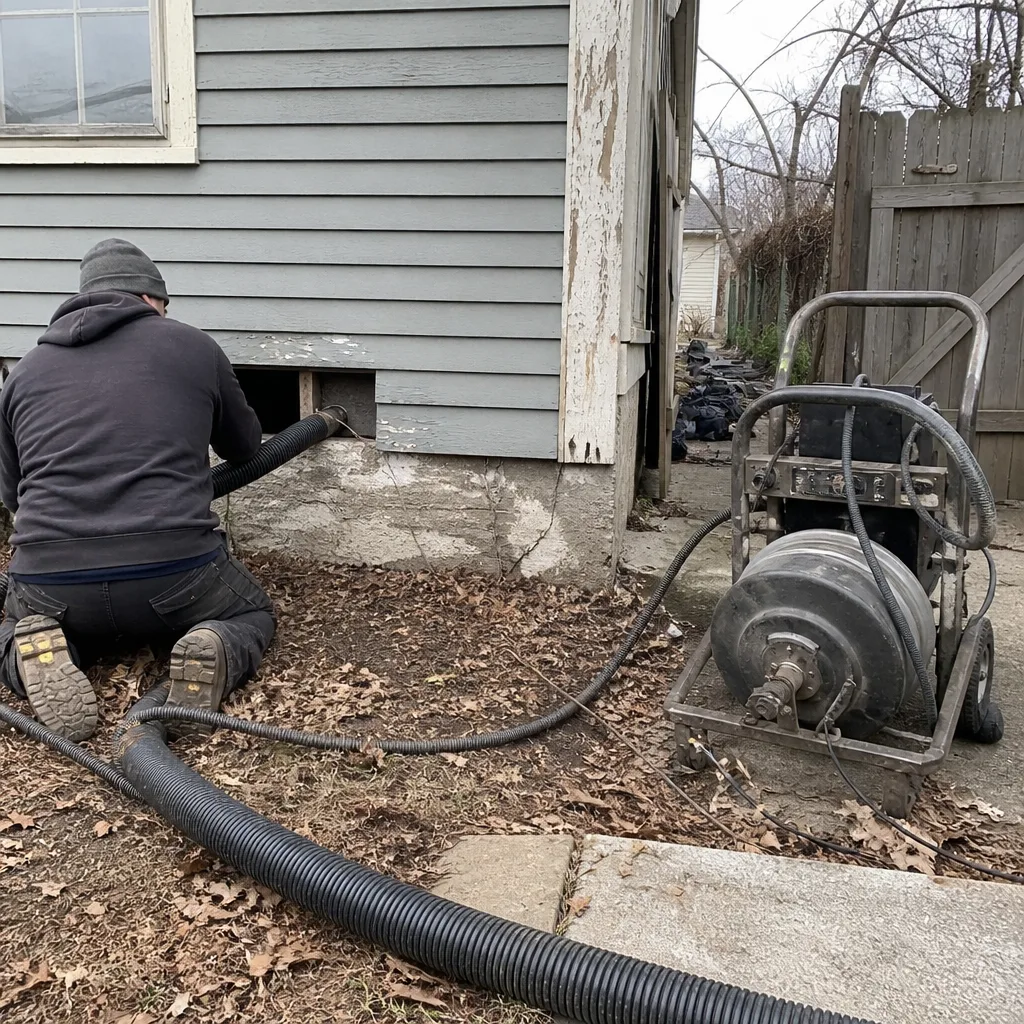
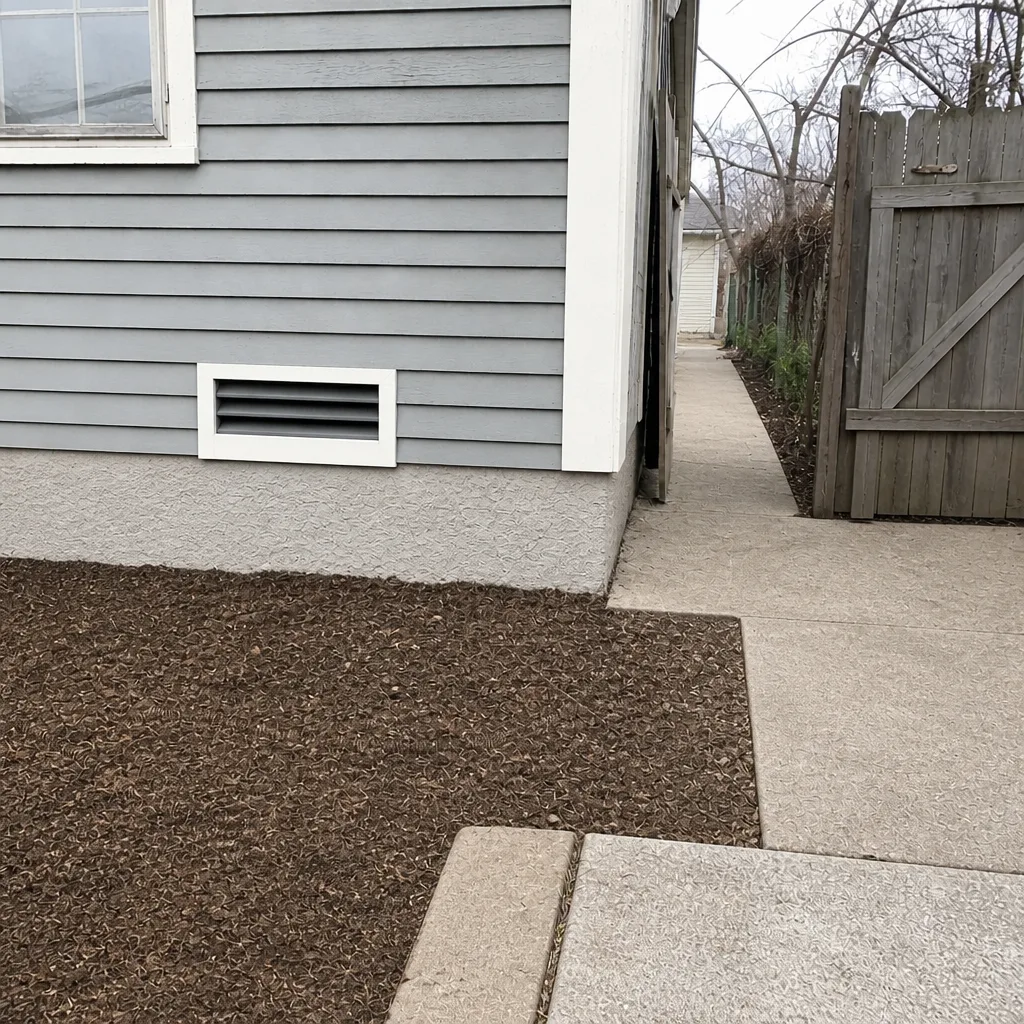
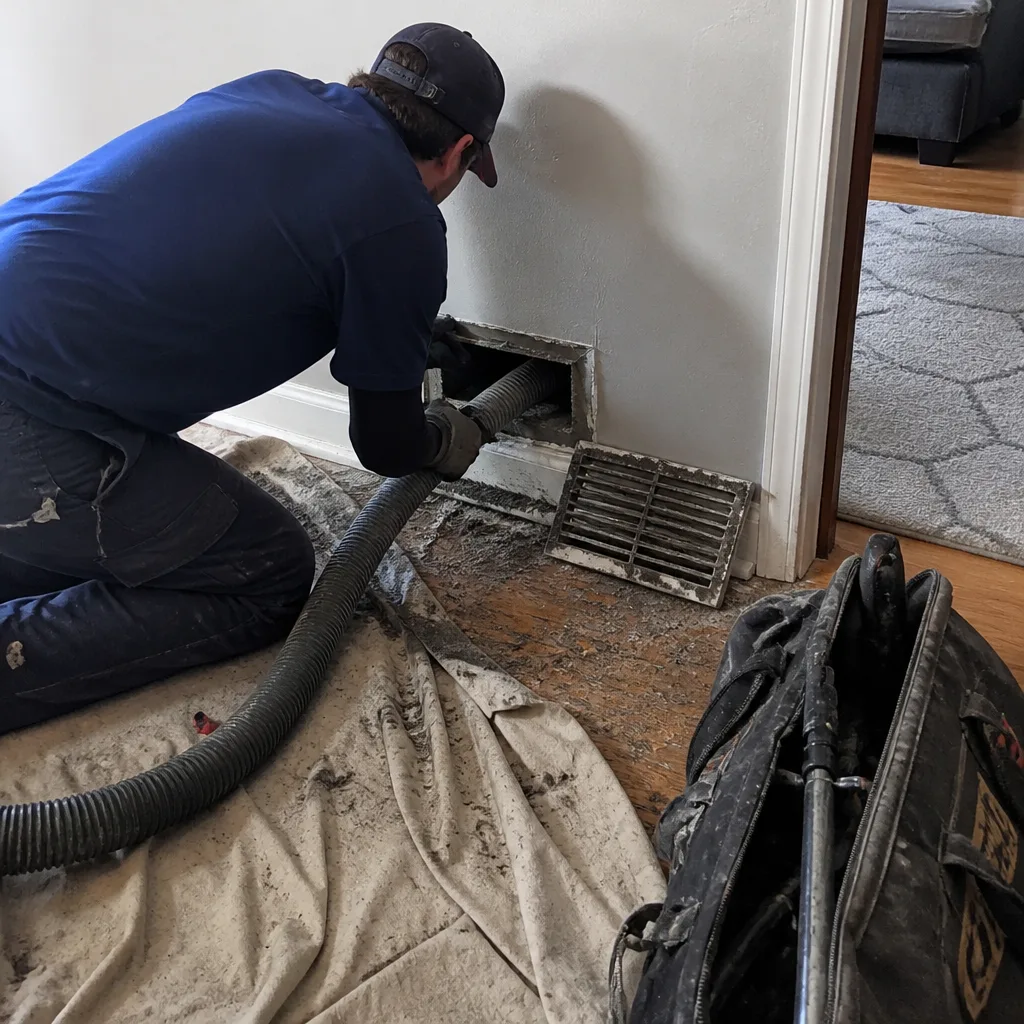
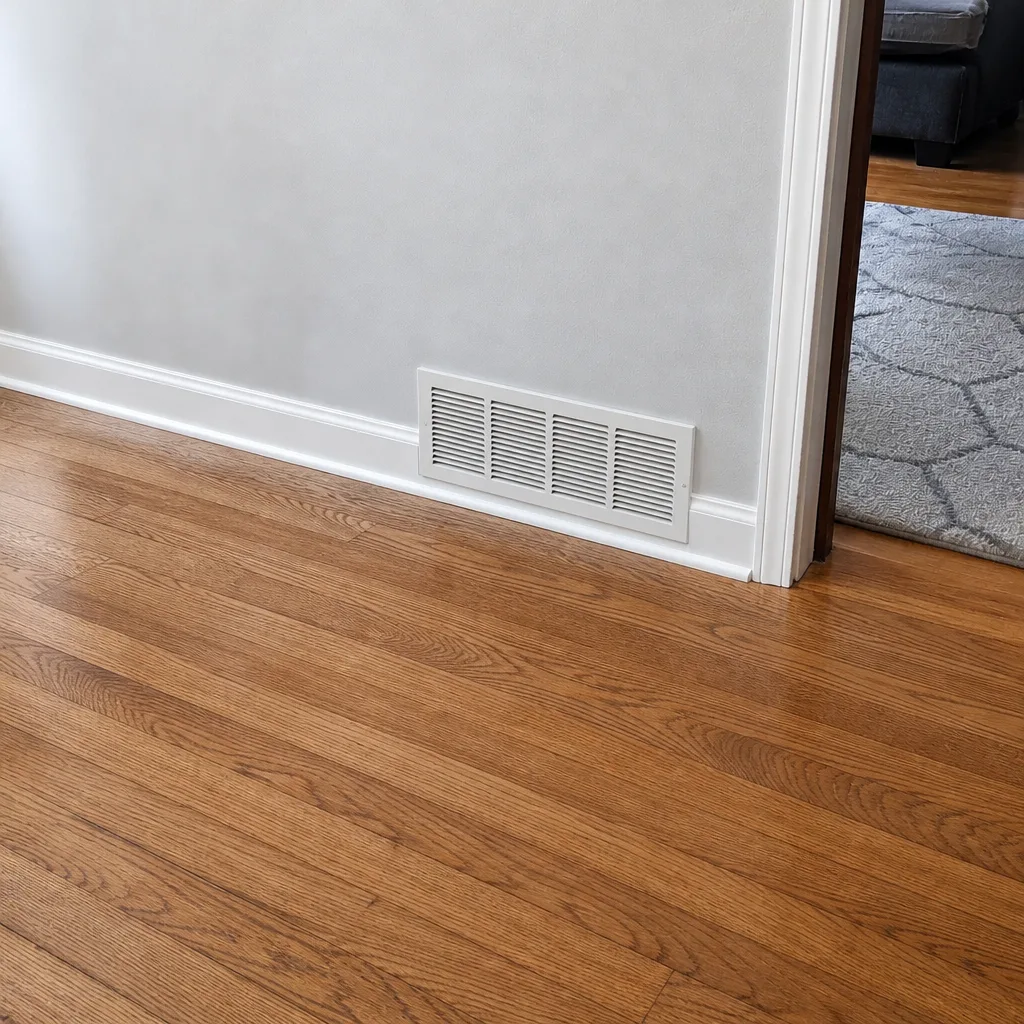
Whole-system duct and dryer vent check with before-and-after photos - you see exactly what came out of your vents
That "$99 whole-house special" is a bait ad - the real number appears once they are in your hallway, or the "clean" is a shop-vac at the register. We photograph the inside of your ducts before and after instead.
Air Duct Cleaning Emergency Preparedness Guide for Wakefield Homes
Most Wakefield homeowners build their emergency plan around the visible stuff: flashlights, water bottles, a generator, a fire extinguisher. Almost nobody plans for what the heating and cooling system does during and after the event. Here’s the counterintuitive part: your return air intake sits low, often just a foot or so above the floor. When a basement takes on water or a fire sends smoke through the house, the system keeps pulling that contaminated air in and pushing it back out through every room at once. By the time the water is pumped out, the ductwork has already been exposed. This guide covers the HVAC emergency protocols that general preparedness checklists skip, from shutdown timing to insurance documentation, written for the way homes in Wakefield actually run their systems.
Quick Answer
In an HVAC emergency, the single most important step is deciding fast whether to shut the system down or keep it running: shut it off immediately for flood, fire residue, or sewage backup, and keep it running only for smoke clearance when you have proper HEPA filtration in place. After any water event, get a professional duct assessment inside the first 48 hours to head off mold growth. Document everything with photos and readings before cleaning begins, so your insurance claim stays intact.
Styles & brands we work with
- Whole-home duct cleaning
- Dryer vent cleaning
- Camera inspection
- Sanitizing & deodorizing
Table of Contents
- Emergency Shutdown Protocol: When to Turn the System Off vs. Keep It Running
- Post-Flood Duct Assessment: Why the 48-Hour Window Matters
- Wildfire Smoke and Urban Fire Events: Filtration and System Management
- Construction and Renovation Contamination: Protecting Ducts During Projects
- Documentation for Insurance: What to Capture and in What Order
- Dryer Vents in an Emergency Plan: The Fire Hazard Nobody Checks
- When Cleaning Is Urgent vs. When It Can Wait
- Building a Wakefield Home Recovery Checklist
Emergency Shutdown Protocol: When to Turn the System Off vs. Keep It Running
The decision to kill power to your HVAC system or let it run depends entirely on what kind of contamination you’re dealing with. Get this wrong in either direction and you either spread contaminants further or leave them sitting in a system that could have helped clear them. Here’s how we break it down.
Shut the system off immediately for:
- Flood or water intrusion. Any water reaching the furnace, air handler, or ductwork means the system should be off before it runs again. Water plus energized electrical components is a hazard, and running air through wet ductwork spreads moisture into every branch.
- Fire or heavy smoke residue inside the home. Combustion byproducts and soot particles get pulled into returns and coated onto duct walls. Running the system distributes them.
- Sewage backup. This is a biological contamination event. The system should not operate until it’s been assessed and cleaned.
- Visible mold or a strong musty smell near vents. Running the fan aerosolizes spores.
Continued operation can help when:
- Outdoor smoke events with no indoor source, and you have a proper filter in place. Running the fan on low with a high-MERV filter can polish indoor air, but only if the filter and system are set up for it. We’ll get to that below.
Whatever the situation, the reliable move is to shut the system down, note the time, and get a professional assessment before restarting. Our technicians have up to 12 years of experience reading these situations, and the pattern is consistent: systems that stayed off until assessed come back cleaner and cheaper to restore.
Post-Flood Duct Assessment: Why the 48-Hour Window Matters
Mold needs moisture and time. In the ductwork of a Wakefield home after a water event, the clock starts ticking the moment the system is exposed. The 48-hour window is the practical cutoff most restoration and indoor air quality professionals work to: assess and begin drying or cleaning before that, and you largely prevent a mold colonization problem from taking hold inside the ducts. Miss it, and what started as a water cleanup becomes a remediation project.
What a professional assessment inside that window should include:
- A visual inspection of the air handler and accessible duct runs, looking for standing water, damp insulation, and rust at seams.
- Moisture readings on duct interior surfaces and insulation, not just the visible water.
- A check of the return air path, since returns near the floor are the first to take on water in a basement event.
- An honest recommendation on whether the ductwork can be dried and cleaned or whether sections need replacement.
- Written findings you can hand to your insurer.
In Wakefield, where many homes have basements and older duct layouts, the low return intake is exactly the spot that floods first. If your system ran at any point during a water event, assume the ducts saw moisture and get them assessed. This is the kind of work that air duct cleaning handles best when it’s done as part of a broader recovery, not as a standalone vacuum job.
Wildfire Smoke and Urban Fire Events: Filtration and System Management
Smoke events are the one case where the right answer is often to keep the system running, carefully. The idea is to use the system as an air cleaner rather than a distribution network. That only works if you control what gets past the filter and how hard the fan pushes.
Managing the system during a smoke event:
- Upgrade to a temporary MERV-13 filter if your system can handle the airflow restriction. MERV-13 catches the fine particulate that drives most smoke complaints. Check with whoever services your system before going higher, since too high a MERV can starve airflow and strain the blower.
- Run the fan in a low, continuous mode rather than short high-speed bursts. Steady low-speed filtration pulls more total particulate out of the air.
- Close windows and seal the obvious gaps around doors and windows so you’re not fighting outdoor air.
- Watch your filter and change it more often during a long smoke event. A loaded filter stops filtering.
When is cleaning actually needed after smoke? If the smoke smell lingers indoors long after the outdoor air clears, or if you can see dark staining on vent covers and near the air handler, the residue has moved into the system. In that case, HVAC cleaning with HEPA extraction and negative air pressure is what removes the residue instead of redistributing it. We use Abatement Technologies and Nikro negative-air equipment for exactly this reason: the debris gets captured, not blown back through the house.
Construction and Renovation Contamination: Protecting Ducts During Projects
Renovation dust is not the same as house dust. Drywall, sawdust, silica from cutting, and insulation fibers are finer and more abrasive than everyday particulates, and if they get into your ductwork during a remodel, they settle onto duct walls and get pushed into the air every time the system cycles. Post-renovation cleaning needs to address this differently than a routine maintenance clean.
Protecting the system during a project:
- Seal every supply and return register with plastic and tape before demo starts, and keep them sealed until the dust settles.
- Shut the system off during heavy cutting and sanding phases, or isolate the work area with zip walls and negative air.
- Change the filter at the end of the project before running the system again.
What post-renovation cleaning should address that routine cleaning often skips:
- Contact cleaning of duct walls with rotary brush systems, because fine construction dust clings and won’t lift from a light vacuum pass. We use Rotobrush rotary contact-cleaning for this.
- The air handler and blower, which collect dust the same way the ducts do.
- Sealing any joints disturbed during the project. Drywall dust loves a leaky seam. Wakefield Air Duct Cleaning offers duct repair and sealing as a core service, so if the cleaning reveals gaps or separated sections, they get addressed in the same visit instead of being left for another contractor.
Documentation for Insurance: What to Capture and in What Order
Insurance claims for post-emergency HVAC work get paid faster and with less argument when the documentation follows a clear sequence. The order matters because the evidence you collect before cleaning proves what happened; photos taken after cleaning show the result but not the cause. Here’s the sequence that protects your claim.
- Before you touch anything else, photograph everything. Wide shots of the affected area, close shots of water lines, soot staining, and the state of vents and registers. Photograph the return intake and the air handler.
- Note the timeline. Write down when the event started, when you shut the system off, and when the water was extracted. Insurers care about the sequence.
- Capture any air quality readings you already have. If you have a home air monitor, screenshot the readings from before and during the event.
- Get a professional inspection report before cleaning begins. A written assessment with moisture readings and photographs from a qualified technician is the strongest single document in the file.
- Save all cleaning and repair invoices. Keep them itemized and tied to the assessment report.
One common mistake: letting a cleaning crew start before the insurer has seen the pre-cleaning condition. Ask about documentation practices before you book anyone, and keep your own photos as a backup.
Dryer Vents in an Emergency Plan: The Fire Hazard Nobody Checks
Most emergency preparedness guides cover smoke alarms and escape routes and stop there. Few mention the dryer vent, which is one of the more common ignition points in a residential fire and one of the easiest to overlook. A vent clogged with lint traps heat, and trapped heat eventually finds something to ignite. dryer vent cleaning is a safety service, not a convenience one.
As part of your Wakefield home emergency prep, check the vent every few months:
- Dryer loads taking longer than they used to? That’s often a restricted vent.
- Lint visible at the exterior vent flap, or a flap that doesn’t open fully with the dryer running.
- No kinks or crushed sections in the vent run behind the dryer.
- Clean the lint trap before every load as a baseline habit.
If you can’t remember the last time the full vent run was cleaned, that’s your sign. It’s a short job done right, and it removes a fire risk that sits in your home every time you dry clothes.
When Cleaning Is Urgent vs. When It Can Wait
After an emergency, everybody wants to know whether to book cleaning today or wait. The honest answer depends on what happened and what you’re seeing.
Call now (professional assessment inside 48 hours):
- Water reached the ducts, furnace, or air handler.
- Sewage backed up into the home.
- Fire or heavy smoke residue inside the home.
- Visible mold or a persistent musty smell near vents after a moisture event.
Schedule soon but not urgent:
- Post-renovation cleaning, once the dust has settled and the project is done.
- Smoke smell that lingered after an outdoor smoke event cleared.
- The standard maintenance clean, every few years, sooner if you have pets, allergies, or a heavy dust buildup.
If you’re not sure which category you’re in, err toward the assessment. A short inspection answers the question cheaply, and the results are useful even if the answer is “wait.”
Building a Wakefield Home Recovery Checklist
Preparedness is mostly about having the steps written down before you need them, when you’re calm and thinking clearly. Here’s a simple recovery checklist tailored to the HVAC side of a household emergency, useful whether you’re dealing with a water event, smoke, or a renovation gone dusty.
- Shut the system off using the breaker or the switch at the air handler, and note the time.
- Photograph everything before any cleanup begins, including vents, returns, and the air handler.
- Set a 48-hour timer for professional assessment if water was involved.
- Check the dryer vent and clear the lint trap as part of the initial sweep.
- Save every document: inspection reports, cleaning invoices, air quality readings.
- Have a filter ready to swap in before the system runs again, and confirm it’s the right MERV rating for your equipment.
If you’d rather have an expert walk the house with you, a free estimate is a straightforward way to get a professional read on what actually needs doing. We integrate recognized air quality products from Honeywell and Aprilaire when a system needs more filtration than it currently has, which is often part of the fix after a contamination event.
Common Mistakes to Avoid
- Restarting the system before it’s assessed. Running the blower over wet or contaminated ductwork spreads the problem. Leave it off until a professional clears it.
- Waiting past the 48-hour window after a water event. Mold has a head start the clock is measuring. In Wakefield’s basement-heavy housing stock, this is the mistake we see most.
- Skipping the before-photos. Without pre-cleaning documentation, an insurance adjuster sees the cleaned result but not the damage that caused it, and the claim gets harder to argue.
- Running a shop-vac through the registers. A consumer vacuum has neither HEPA capture nor negative air, so it stirs up more than it removes. Professional equipment is what actually extracts debris.
- Ignoring dryer vent cleaning during prep. Most emergency plans cover fire exits but not the ongoing fire hazard sitting behind the dryer.
- Using a high-MERV filter the system can’t handle. A filter too restrictive for your blower starves airflow and can strain the motor. Match the filter to the equipment.
- Assuming post-renovation cleaning is a light vacuum pass. Construction dust clings to duct walls and needs contact cleaning, not a surface skim.
See the difference
 Before
 After
 Before
 After
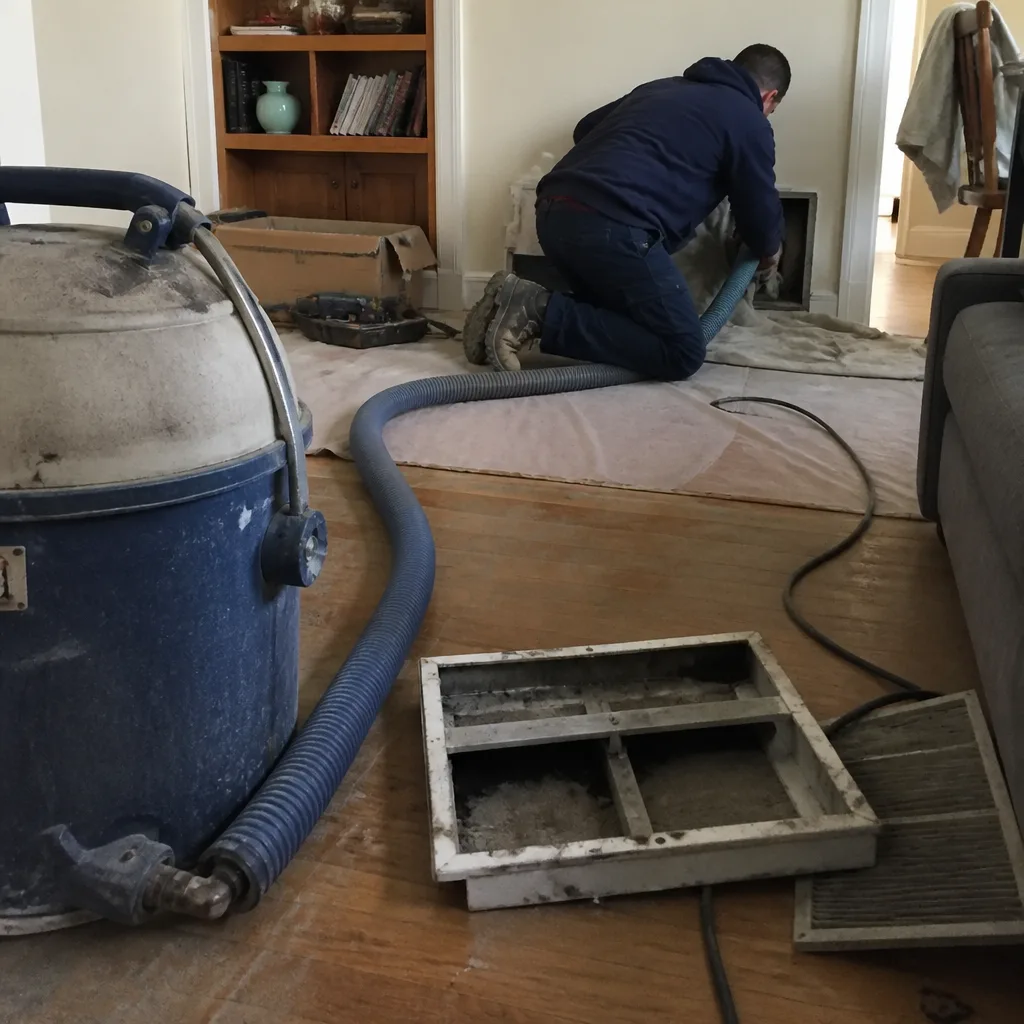 Before
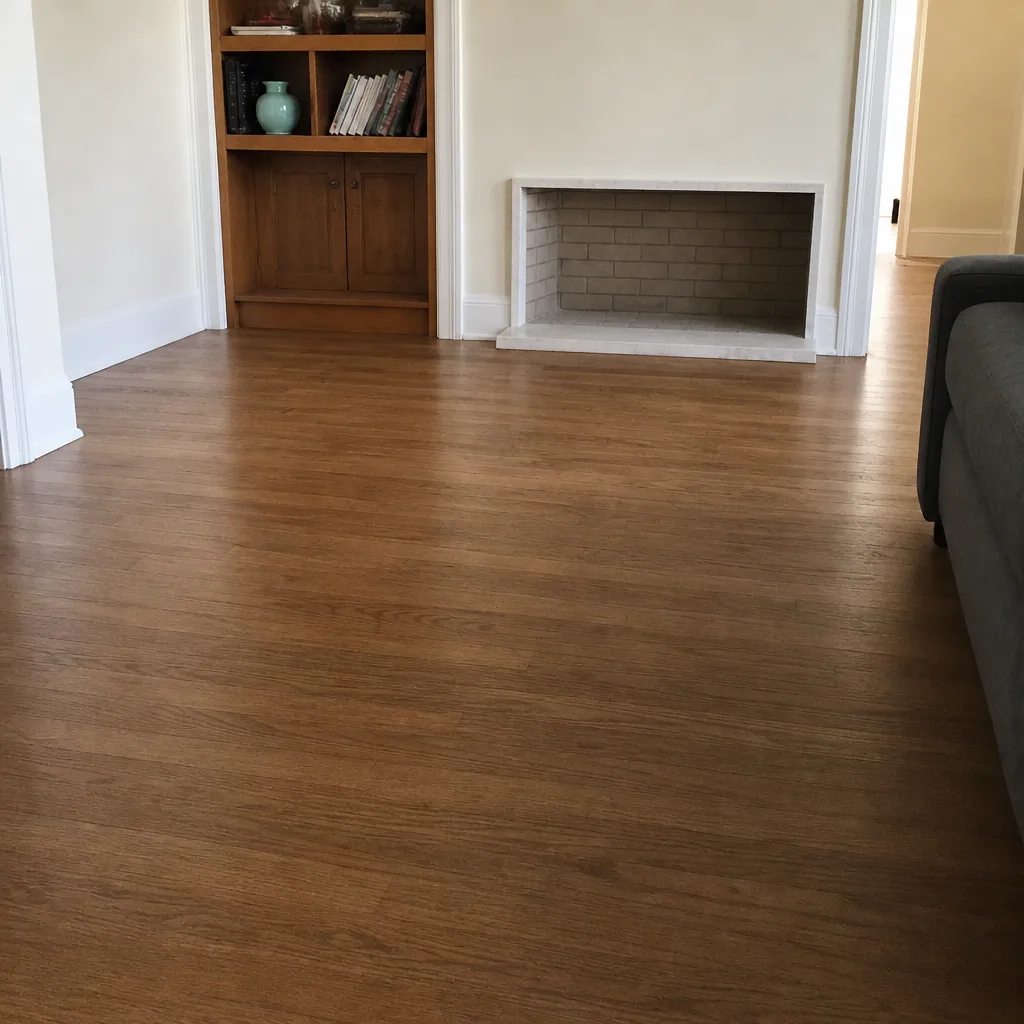 After
When to Call a Professional
Call us when any water has reached the ducts, furnace, or air handler, when smoke or soot has been inside the home, when there’s visible mold or a musty smell after a moisture event, or when a renovation has left fine dust that won’t go away. Also call if the system ran during an event and you don’t know whether it caused a problem. A free estimate gives you a clear read and a documented inspection. Wakefield Air Duct Cleaning offers free estimates in Wakefield. Call (844) 902-2536. We answer 24/7. Fast dispatch from 7am to 7pm, Sunday through Friday.
Frequently Asked Questions
Shut the system off immediately at the breaker or air handler, then photograph the affected area and the vents before cleaning anything. Get a professional assessment inside 48 hours to check for moisture in the ducts and prevent mold.
No, keep it off until it’s been assessed. Soot and combustion residue coat duct walls, and running the fan pushes those particles through every room. Smoke from an outdoor source is different: with a proper MERV-13 filter and low continuous fan speed you can run the system to help clear air, but indoor fire residue means shut it down and get it cleaned.
Within 48 hours. That window is what keeps moisture from turning into a mold problem inside the ductwork. In Wakefield, basement returns are typically the first part of the system to take on water, so don’t wait for a smell to develop.
Cost depends on the size and layout of the system and what happened, so there’s no honest one-size figure. What we do promise is one flat price per system, agreed before work starts, with no per-vent pricing and before-and-after photos of your ducts. Call (844) 902-2536. We answer 24/7. Fast dispatch from 7am to 7pm, Sunday through Friday. Estimates are free.
A low quote often means a surface pass with a consumer-grade vacuum that stirs up debris rather than extracting it. We use Rotobrush rotary contact-cleaning and HEPA negative-air equipment, which costs more to run but removes what’s actually in the ducts. Call (844) 902-2536. We answer 24/7. Estimates are free.
Every few years for a typical home, and sooner if you have pets, allergies, a recent renovation, or a water event. There’s no fixed rule everyone must follow, but a professional assessment after any emergency is a worthwhile investment. Call (844) 902-2536. We answer 24/7. Fast dispatch from 7am to 7pm, Sunday through Friday.
The Bottom Line
The HVAC system is the fastest route for contaminants to reach every room, and it’s the part of emergency planning most people leave out. Know when to shut the system off and when continued operation helps, treat the 48-hour post-flood window as a hard deadline, and document everything before cleaning begins. Protect the ducts during renovations, keep the dryer vent clear, and get a professional assessment any time you’re unsure. That’s the difference between a quick recovery and a months-long remediation in your Wakefield home.
Ready to protect your home’s air? Call Wakefield Air Duct Cleaning at (844) 902-2536 for a free estimate. We answer 24/7. Fast dispatch from 7am to 7pm, Sunday through Friday.
Written by the team at Wakefield Air Duct Cleaning.