
Last updated November 22, 2026
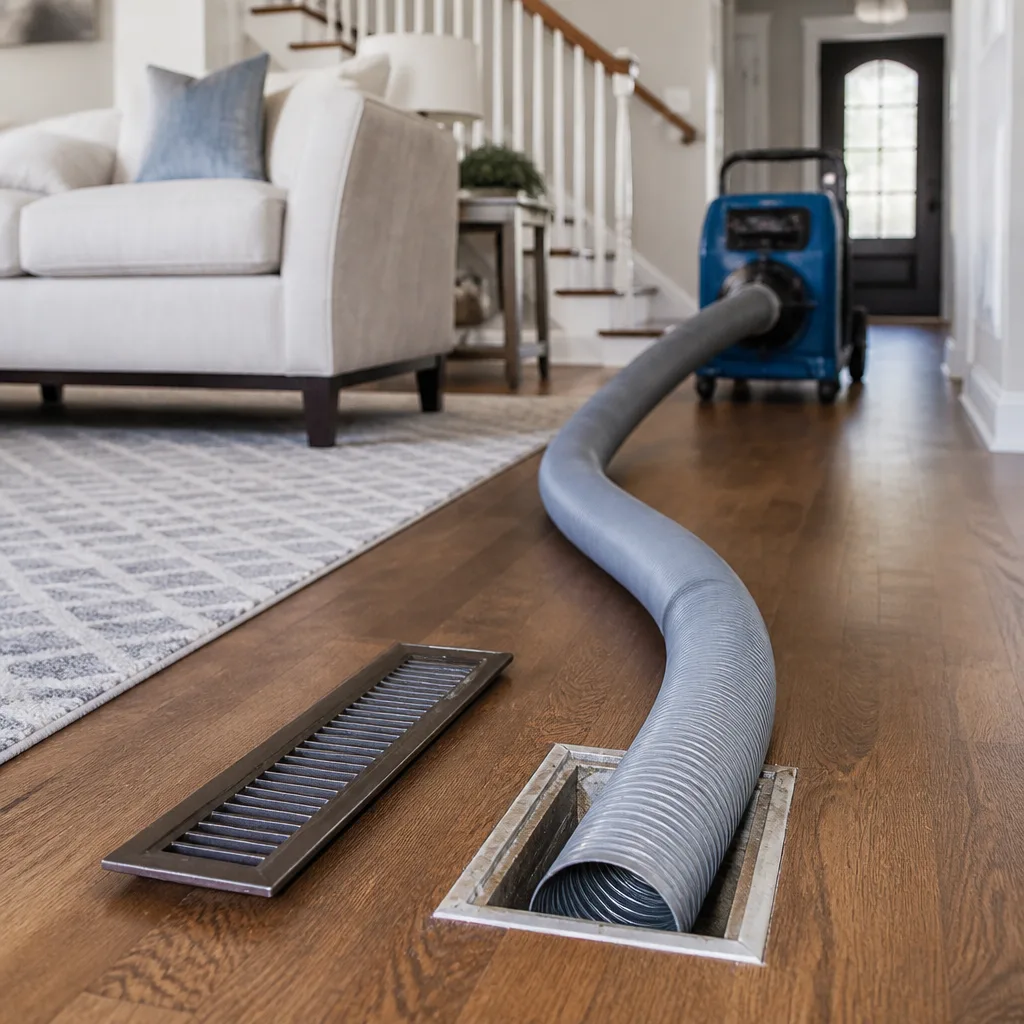 Whole-home duct cleaning
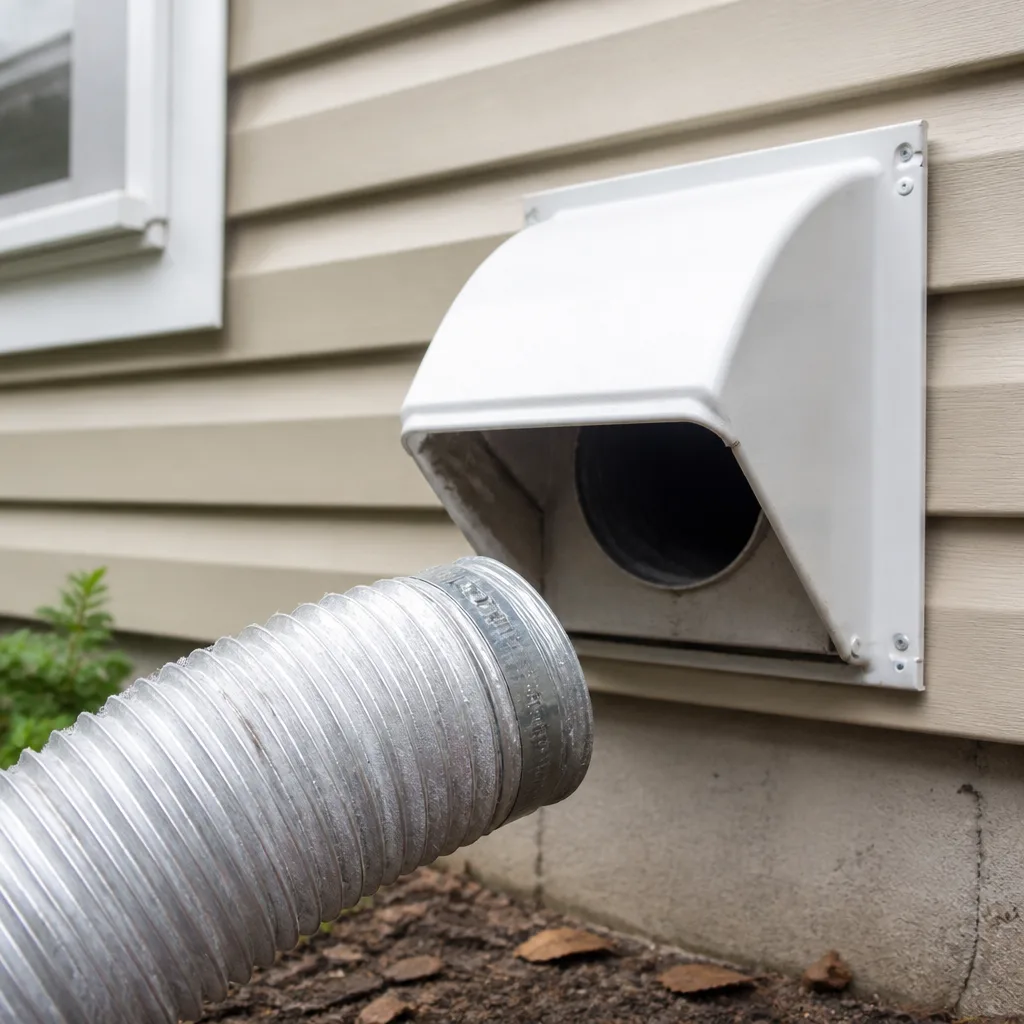 Dryer vent cleaning
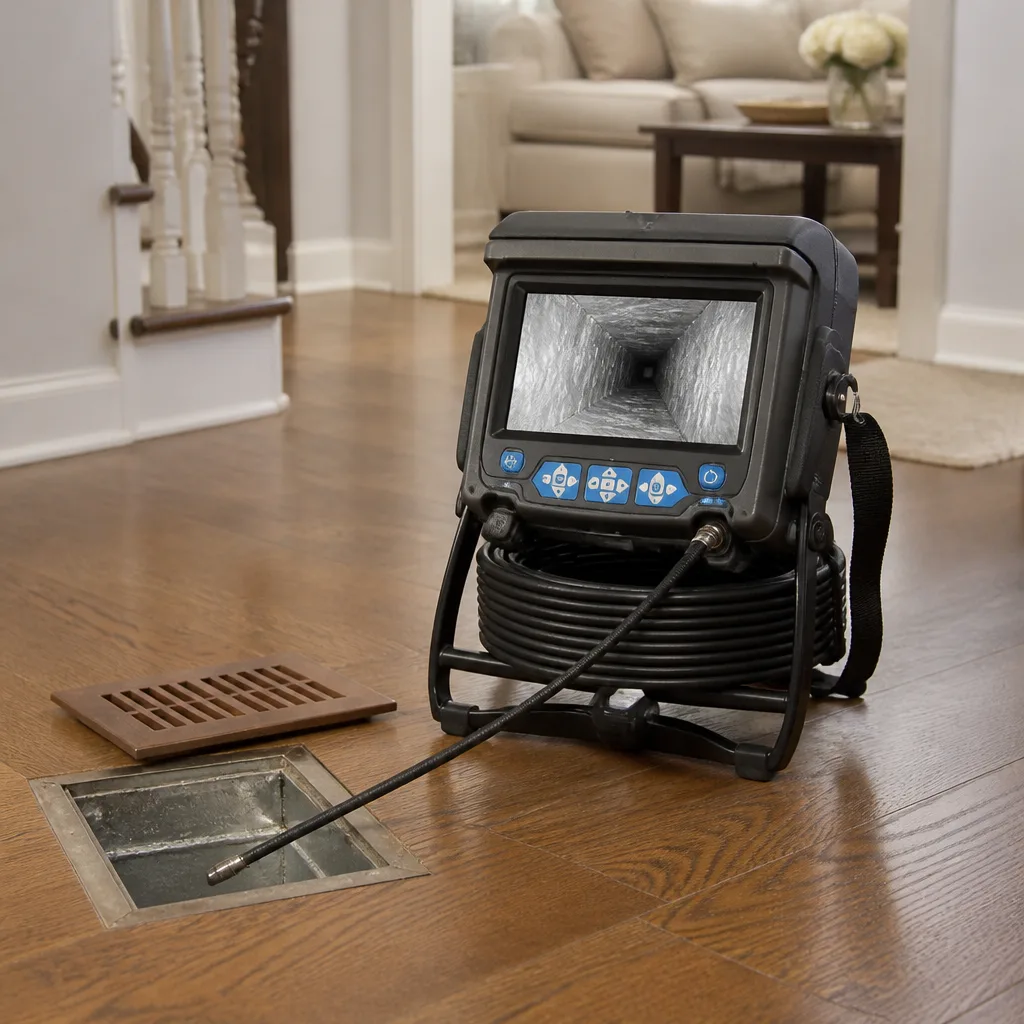 Camera inspection
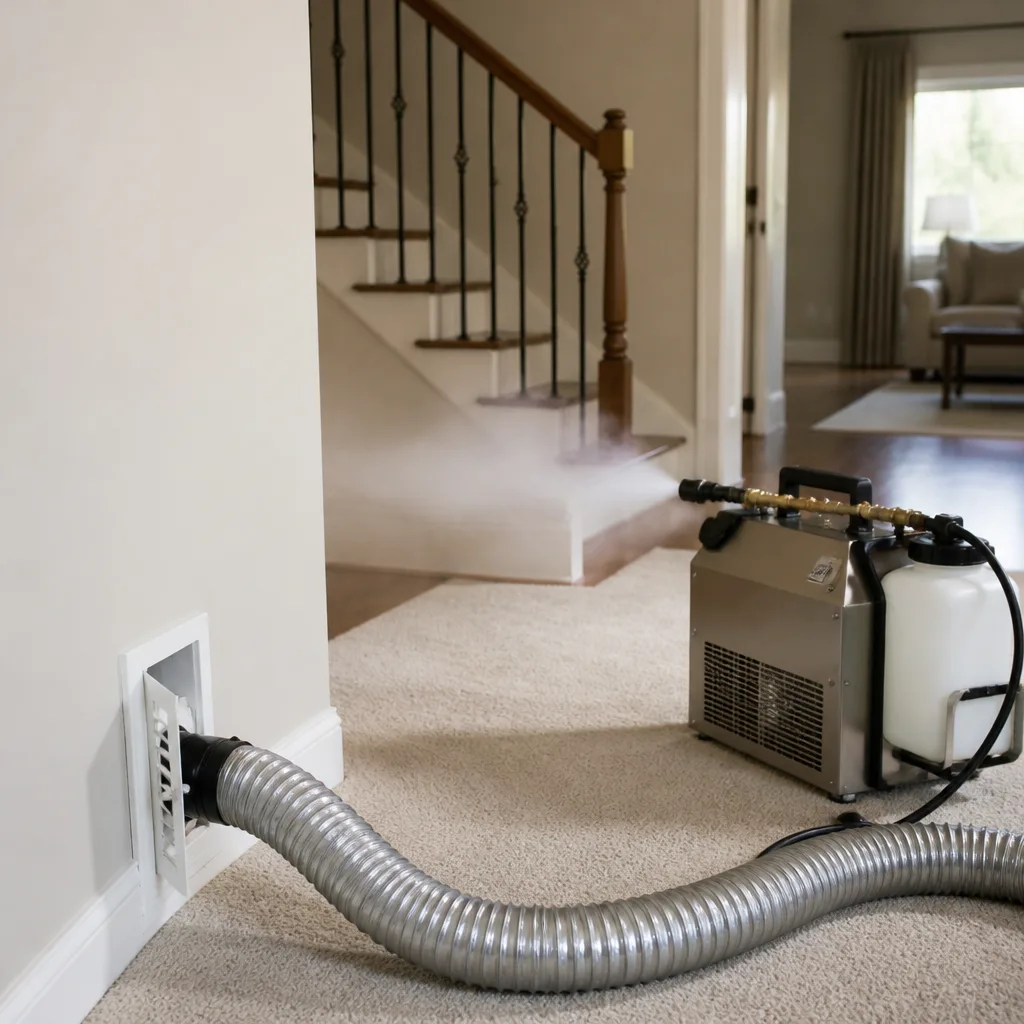 Sanitizing & deodorizing
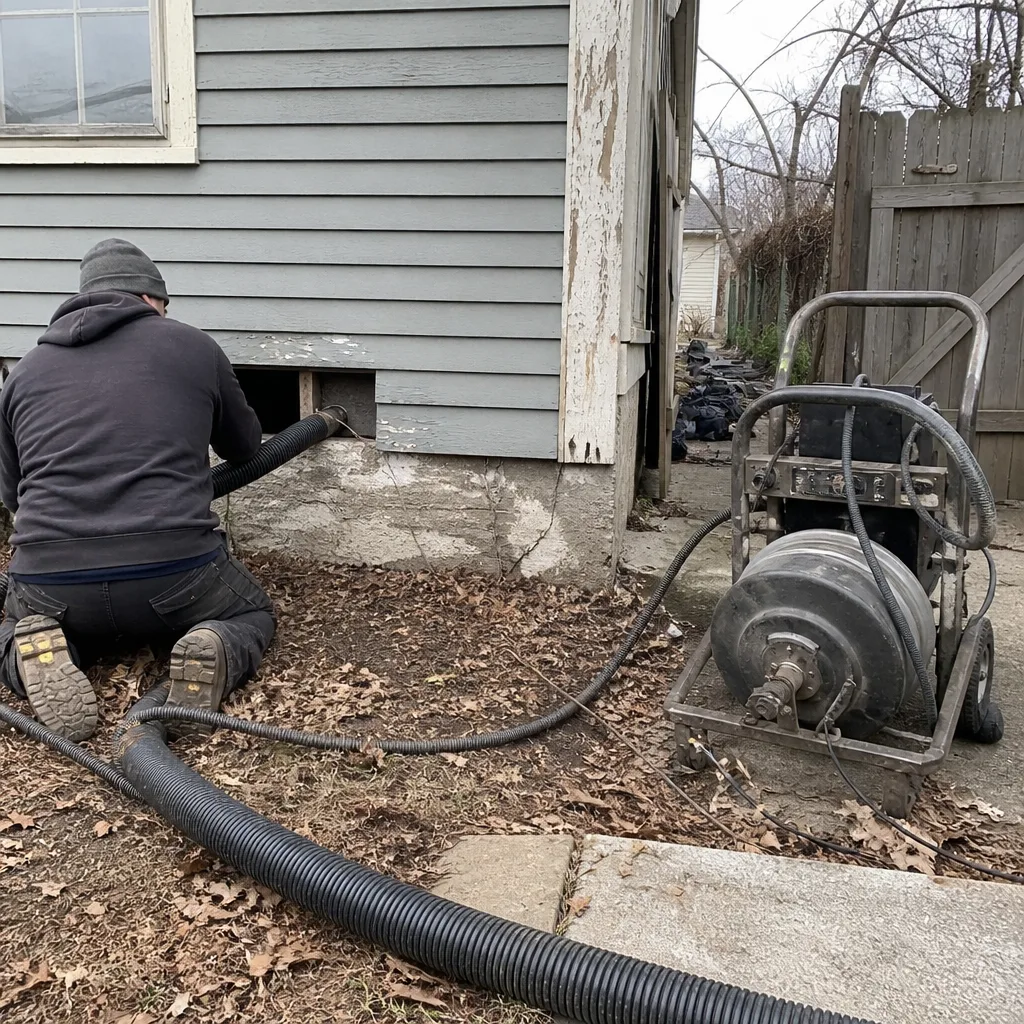
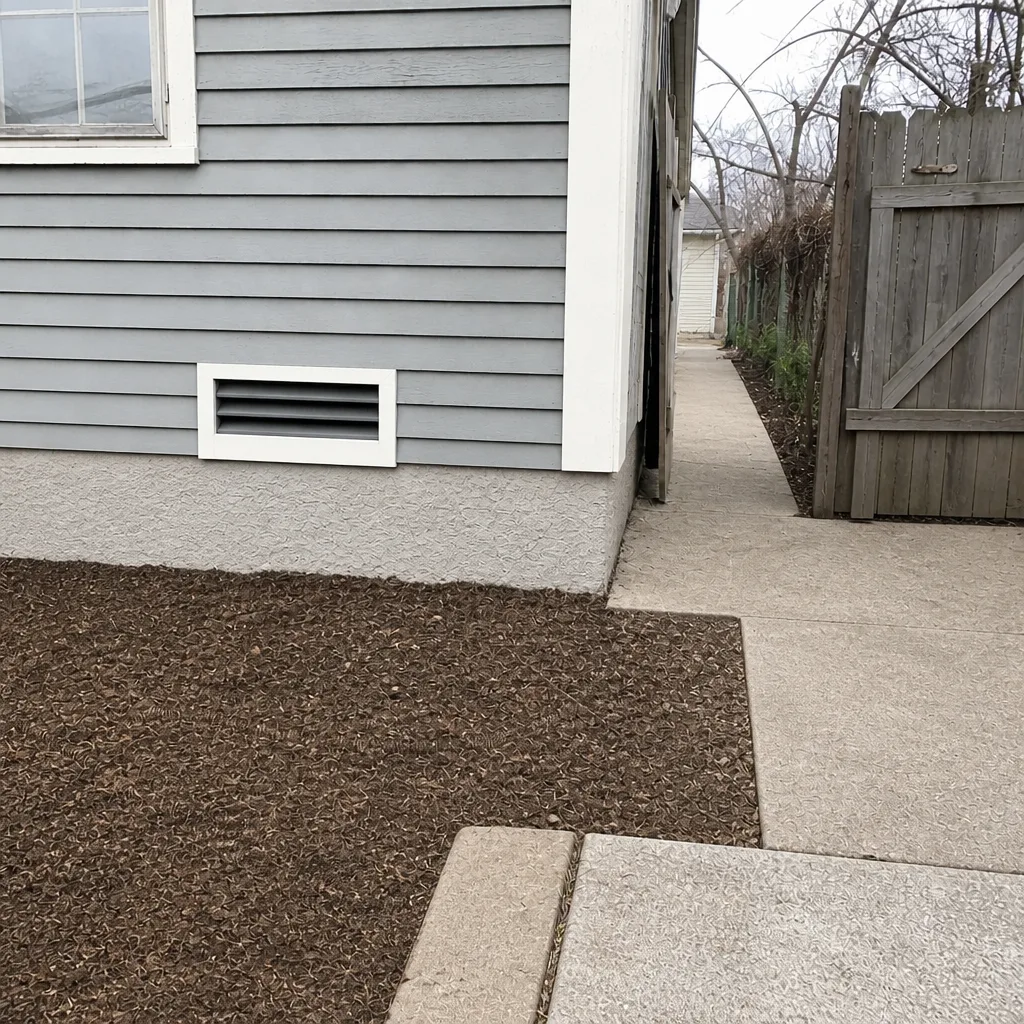
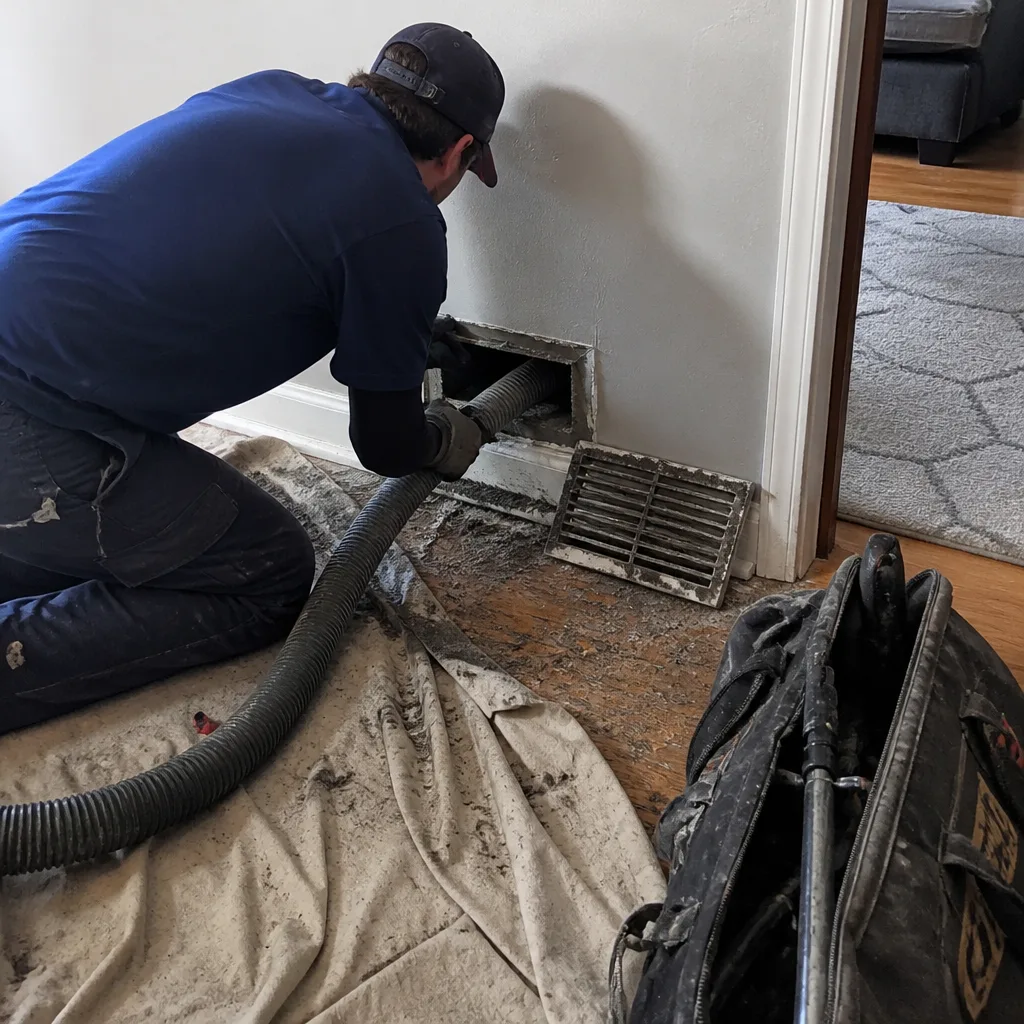
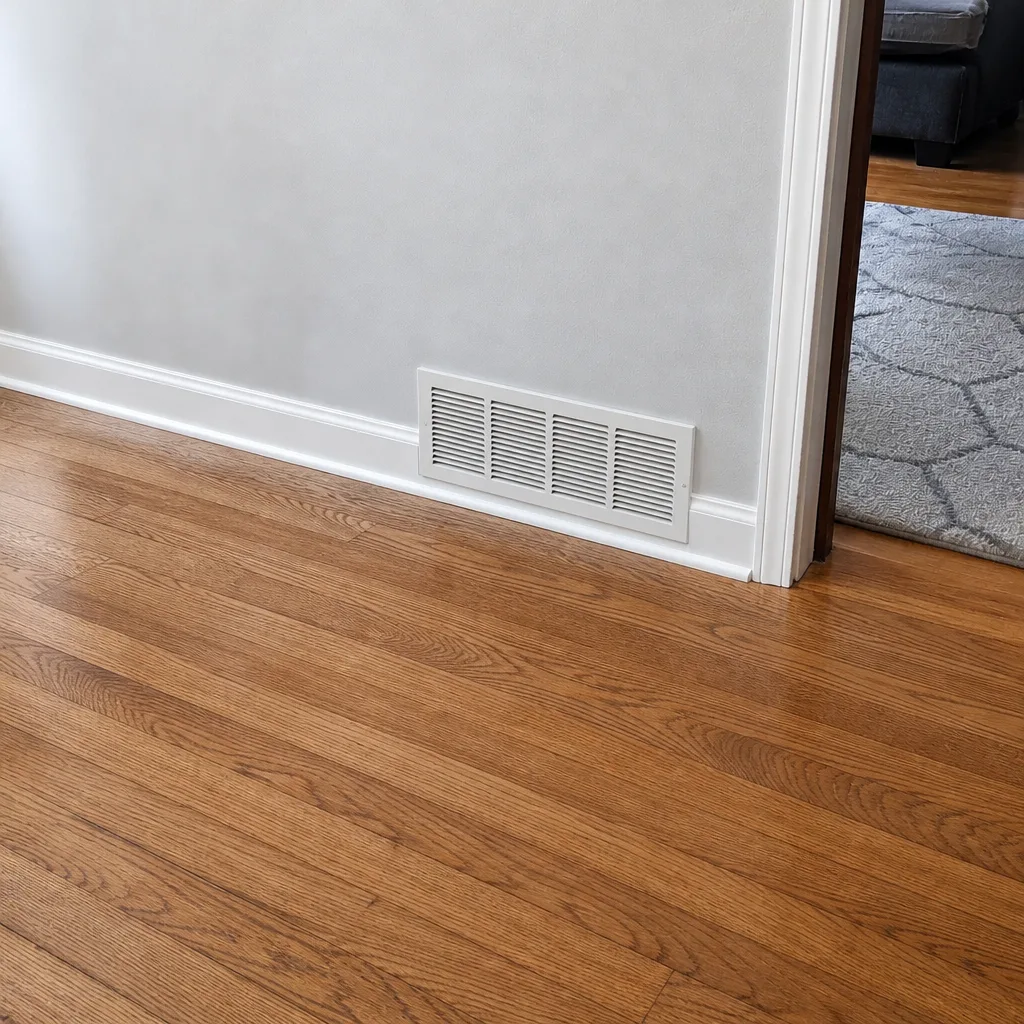
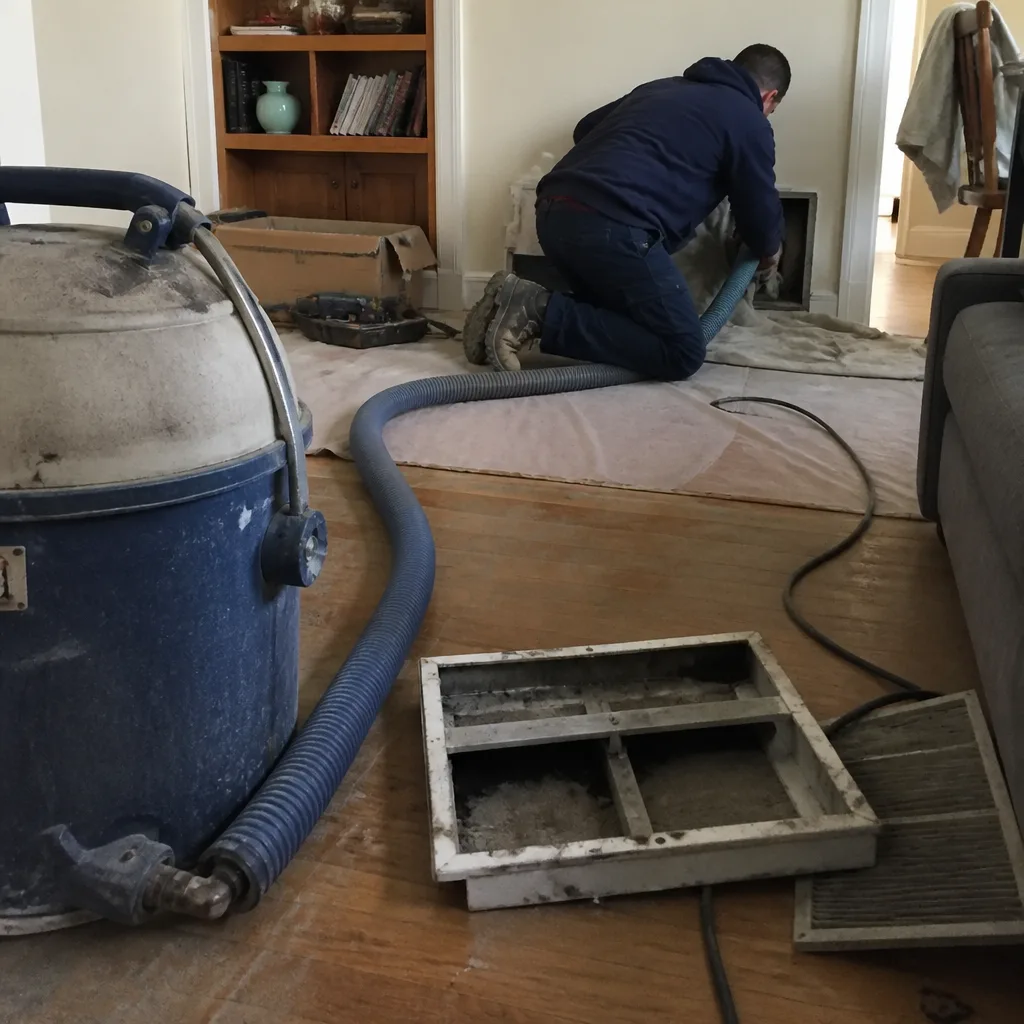
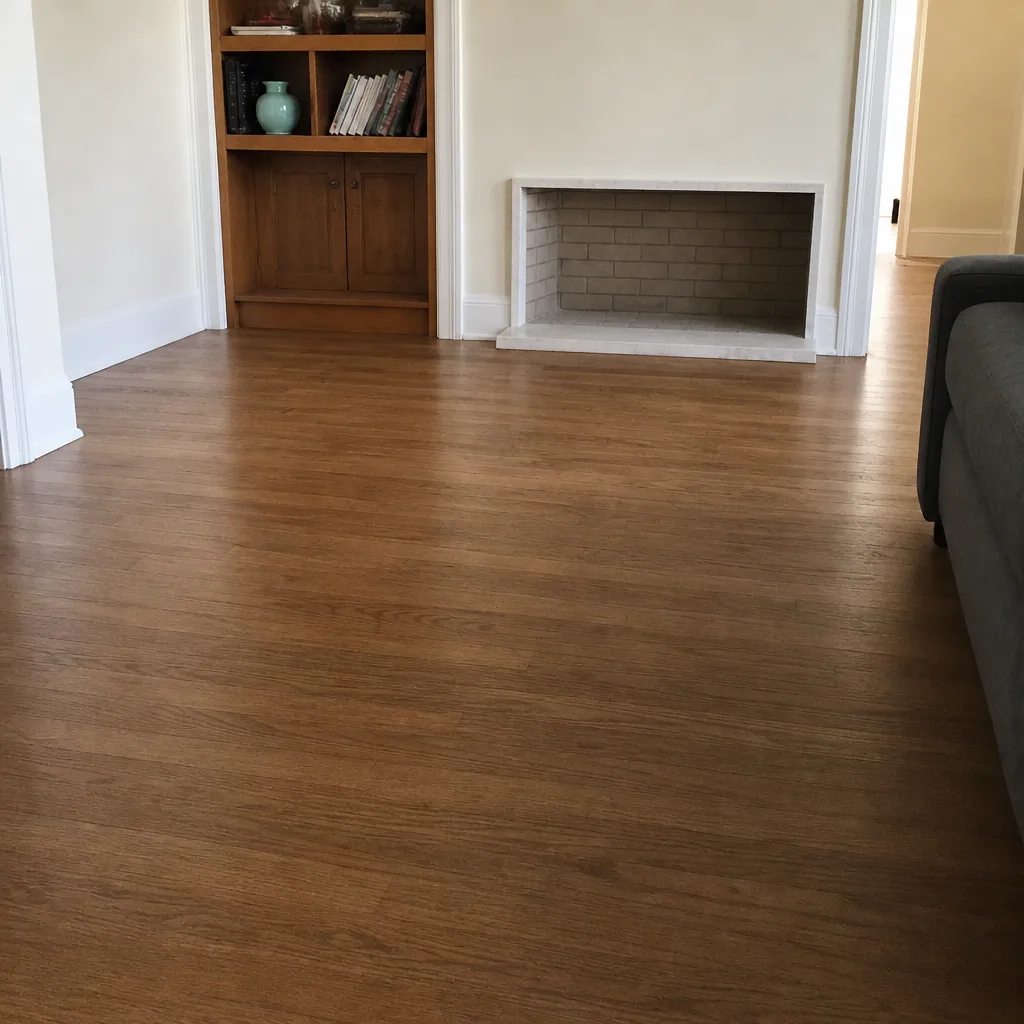
Whole-system duct and dryer vent check with before-and-after photos - you see exactly what came out of your vents
That "$99 whole-house special" is a bait ad - the real number appears once they are in your hallway, or the "clean" is a shop-vac at the register. We photograph the inside of your ducts before and after instead.
Air Duct Cleaning Permits, Codes & Inspections in Wakefield, NY: What You Need to Know
Cleaning your ducts doesn’t require a permit. Sealing a disconnected trunk line, replacing contaminated duct board, or connecting new ductwork to your HVAC system does. That’s the line most Wakefield homeowners don’t know exists, and it’s the line that matters when you sell your house or file an insurance claim. A technician can spend a morning vacuuming every branch line with no paperwork beyond an invoice. The moment he cuts into the system and starts fastening metal or sealing joints, you’re in mechanical code territory, and the work is supposed to be documented. This guide draws that line precisely for Wakefield residents: where cleaning ends, where repair begins, who’s licensed to do what, and what records protect you at resale.
Quick Answer
Air duct cleaning itself doesn’t require a permit in New York, and duct cleaners aren’t licensed by the state. However, once a job involves repairing or reconnecting ductwork, modifying HVAC connections, or dealing with mold contamination inside the system, you’ve moved into work that New York City’s mechanical code expects to be permitted and inspected, and in the mold case, handled by a separate licensed remediation contractor with proper documentation. The practical rule for Wakefield homeowners: if the technician is removing debris, that’s cleaning; if he’s changing the system’s structure or its connections, ask for the permit and the license.
Styles & brands we work with
- Whole-home duct cleaning
- Dryer vent cleaning
- Camera inspection
- Sanitizing & deodorizing
Table of Contents
- Where Cleaning Ends and Duct Repair Begins
- The Exact Permit Threshold Under NYC and NY Mechanical Codes
- Mold Remediation and the Separate License Requirement
- What Your Homeowners Insurance Needs From a Contractor
- How to Verify Who’s Allowed to Do What
- What an Inspection Actually Covers
- Record-Keeping That Protects You at Resale
- Common Mistakes to Avoid
- When to Call a Professional
- Frequently Asked Questions
Where Cleaning Ends and Duct Repair Begins
Cleaning removes material from inside the duct. Repair changes the duct itself. That sounds obvious until you’re standing in a basement watching a technician peel back sagging insulation board or reconnect a boot that’s come loose from the register. At that moment, the job has changed category, and the change matters legally.
These are the two categories, side by side:
- Cleaning: source removal of dust, debris, and biological growth from duct interiors using negative-air HEPA extraction and contact tools. No structural alteration. No permit.
- Repair: reattaching disconnected duct runs, sealing joints and seams, replacing damaged sections, installing new wye branches, or re-sheeting duct board. This alters the system. It’s mechanical work.
- Replacement: removing and re-installing a mechanical system component. This is squarely HVAC work and requires a licensed contractor in New York, plus a permit.
In Wakefield, where the housing stock is a mix of pre-war homes and mid-century construction, we run into duct systems that branch through finished ceilings and tight chases. When a run has pulled apart back there, cleaning alone leaves conditioned air dumping into a wall cavity. That’s not a cleaning problem, and it shouldn’t be billed as one. Our air duct cleaning service includes identifying those breaks, and our duct repair and sealing work is handled in the same visit by technicians who are equipped to do it. What we won’t do is pretend structural repair is routine cleaning and skip the paperwork.
One further distinction: cleaning a duct system is not the same as cleaning the air handler, evaporator coil, and blower assembly. That’s HVAC cleaning, and it’s a separate scope of work.
The Exact Permit Threshold Under NYC and NY Mechanical Codes
The threshold sits where the work becomes a modification to the mechanical system rather than maintenance of it. In plain terms, four things reliably push a duct job over the line:
- Adding or relocating duct runs. A new branch for a finished basement or a relocated register is new mechanical installation.
- Replacing a run of ductwork. Swapping damaged sheet metal or flex for new is replacement, not repair.
- Connecting ductwork to a new or replaced HVAC unit. The connection between the system and the distribution network is regulated.
- Altering the system’s design capacity. Resizing a trunk line or changing how air distributes through the house.
What generally does not trigger a permit: source removal cleaning, sealing accessible joints with mastic or approved tape, re-attaching a register boot, and minor repairs that restore the system to how it was built. Those fall under maintenance.
New York City’s mechanical code governs the five boroughs, and Wakefield sits in the Bronx, so this is your code. Contractors working here are expected to pull permits for mechanical alterations, and the work is subject to inspection. If you’re in doubt about whether your specific job crosses the line, call NYC’s Department of Buildings or your local building department and describe the scope. Ask the question before the work starts, not after the invoice arrives.
Practically speaking, most residential duct cleaning jobs in Wakefield never touch a permit. The jobs that do are the ones where cleaning revealed something broken, and the homeowner approved a repair on the spot. That’s a normal sequence, and it’s fine. What isn’t fine is a contractor performing that repair without telling you that a permit applies.
Mold Remediation and the Separate License Requirement
Mold inside a duct system is not a cleaning problem. It’s a remediation project, and New York treats it as one. The state runs a licensing program for mold assessment and remediation contractors, and those licenses are held by remediation firms, not by duct cleaners.
Here’s where homeowners get caught. A technician runs a camera down a supply trunk and finds dark growth on the interior lining. He offers to “sanitize” it, and you agree because it sounds reasonable. But sanitizing a surface with an antimicrobial product isn’t the same as remediation, which involves containment, removal of contaminated porous material, HEPA filtration of the work area, and clearance verification afterward. If the growth is substantial, the correct sequence is assessment and remediation by a licensed mold contractor, followed by the duct cleaning and any ductboard replacement.
What we can do in Wakefield, and do regularly, is clean the system with negative-air HEPA equipment from Abatement Technologies, which keeps dislodged material contained rather than blowing it through the house, and apply a Guardsman-line treatment after cleaning for surface protection. That’s a legitimate step in an air quality plan. It is not a substitute for licensed remediation when the contamination warrants it, and we’ll tell you when it does.
Ask any contractor two questions if mold comes up: does your firm hold a New York mold remediation license, and can I see the post-remediation verification? If the answer to the first is no, the scope needs to change.
What Your Homeowners Insurance Needs From a Contractor
Insurance claims for air quality-related work hinge on one thing: can you prove what was done, by whom, and why it needed doing. An invoice that says “duct cleaning – $X” is nearly useless in a claim. A document that lists the scope, the equipment used, what was found, and what was done about it is what an adjuster needs.
Most policies treat sudden, accidental damage differently from long-term maintenance, and that distinction matters here. Water intrusion that soaked duct insulation during a storm is closer to a claimable event. Years of gradual dust accumulation that degraded the system over time is a maintenance matter your policy won’t cover. The difference is documented cause and date.
For a claim to stay intact, keep these from any contractor who works on your system:
- A written scope of work stating what was cleaned, repaired, or replaced, with room or zone references.
- The contractor’s business name, address, and any license or registration number they hold.
- Before-and-after photos of the duct interiors, which most professional outfits take as standard practice.
- For any repair, the permit number if one was required.
- For mold work, the remediation contractor’s license number and the clearance documentation.
We photograph duct interiors before and after on every job, partly because it’s good practice and partly because it’s the documentation a Wakefield homeowner needs if a claim ever comes up. We can also work with your insurer on documentation. What we don’t do is claim to bill them directly, because that’s not how homeowner policies generally work.
How to Verify Who’s Allowed to Do What
New York doesn’t license duct cleaners. It does license the trades that touch the mechanical system. Understanding which bucket your project falls into tells you who to hire and what to check.
- Duct cleaning: no state license requirement. Verify insurance, ask about equipment, and request references. The bar is professionalism, not a credential.
- Duct repair and HVAC work: requires a licensed HVAC contractor, and permits for alterations. A duct cleaner who isn’t a licensed HVAC contractor can’t legally perform this work.
- Mold assessment and remediation: requires a New York licensed mold contractor. Separate credential, separate firm.
How to check in three steps:
- Ask for the license number and the category of license. Take a photo of the card if it’s offered.
- Look the contractor up in the state or city licensing database directly, don’t rely on a screenshot they texted you.
- Call the number on the license record, not the one on the flyer, and confirm the business name matches the one on your estimate.
This is where the coupon-mailer outfits fail. A low advertised price often comes from a company that sends a subcontractor for the cleaning and has no path to a licensed repair if something’s broken. In Wakefield, we’d rather you ask the awkward questions up front. If a contractor can’t tell you whether they hold an HVAC license or not, that’s your answer.
What an Inspection Actually Covers
A duct inspection isn’t one thing. It depends on who’s doing it and why. There are four you’ll encounter as a Wakefield homeowner.
Pre-cleaning assessment. Done by the cleaning company before work starts. Camera inspection of trunk lines and accessible branches, identification of breaks, disconnected runs, and visible contamination. This determines the scope and the price.
Post-cleaning verification. Performed after the work. Some firms document with photos, others don’t. Ask for it. It’s what protects you if someone later claims the system was dirty when you sold the house.
HVAC system inspection. If a licensed HVAC contractor is involved because of repairs or a system replacement, a permit inspection may follow. That inspection covers the mechanical work: connections, clearances, and code compliance, not cleanliness.
Mold clearance inspection. After remediation, an independent inspection verifies that contamination has been removed and the area passes clearance. This is part of the licensed remediation process, not something a duct cleaner can issue.
What an inspection generally does not cover: the condition of ductwork sealed inside walls and ceilings, which no camera can reach, or the cleanliness of ducts that aren’t part of the HVAC system. If a contractor promises to inspect every inch, he’s overselling. In Wakefield homes with finished basements and rerouted ducting, a meaningful inspection covers what’s reachable and honest about what isn’t.
Record-Keeping That Protects You at Resale
The records you keep don’t need to be complicated. A single folder, physical or digital, is enough if it contains the right things.
- The written estimate and final invoice, with the scope of work itemized. Not a handwritten receipt.
- Before-and-after photos of the duct interiors, dated. These are your strongest evidence at resale.
- Any permit numbers and inspection sign-offs for repair or HVAC work. If a permit was pulled, keep the inspection record showing it passed.
- License and insurance information for any contractor who performed licensed work. This matters if a future buyer’s inspector asks.
- Product documentation for filtration or air quality equipment installed, such as an Aprilaire filter or a Honeywell air cleaner. Model numbers and install dates protect any warranty.
Why this matters at resale in Wakefield: buyers and their inspectors ask about systems, and a homeowner who can produce photos of clean ducts and a signed scope is in a very different conversation than one who says “we had them cleaned a few years back, I think.” Same goes for insurance. If a claim arises after a renovation or a water event, the record of what the system looked like before is often the deciding document.
One useful habit: keep the folder in your closing-documents binder from the start. Then it’s already assembled when you sell, and you’re not reconstructing three years of home maintenance under deadline pressure.
Common Mistakes to Avoid
- Treating a repair as a cleaning. If a technician finds a disconnected trunk line and reconnects it without telling you a permit applies, you’ve inherited unpermitted work. Ask explicitly whether the job is cleaning or repair, and get the answer in writing.
- Accepting a mold “sanitization” in place of remediation. A spray treatment is not remediation. In Wakefield homes with a history of dampness in the basement, insist on a licensed mold contractor’s assessment before any duct work proceeds over contaminated material.
- Skipping before-and-after photos. The single cheapest insurance against a dispute, and the strongest evidence if you sell. Any contractor who resists providing photos has told you something.
- Hiring on price alone from a coupon mailer. A very low quoted price often means a subcontractor crew with no licensed path if a repair surfaces. The total cost of doing it twice exceeds the cost of doing it right once.
- Not asking whether the firm holds an HVAC license before a repair. Duct cleaners aren’t licensed in New York. Repairers of the mechanical system are. Confirm which one you’re hiring.
- Discarding the paperwork. A one-page scope and a dated photo set is the entire difference between a clean resale and an awkward inspection question. File it the day the job ends.
- Assuming a permit is always required for duct cleaning. It isn’t. Over-asking can send you shopping for contractors who won’t give you a straight answer. The line is repair, modification, and remediation, not cleaning.
When to Call a Professional
Call a professional when you see visible debris blowing from a register, when a musty smell appears each time the heat or AC kicks on, when allergy symptoms spike inside the house and ease outdoors, or when a renovation has left fine dust throughout the system. Call when the furnace or air handler has been running with a failed filter for months. Call before you list a home for sale if the ducts haven’t been documented in years.
Call immediately if you suspect mold inside the ductwork, or if a technician from another company tells you a repair is needed without offering a written scope and license details. A second opinion costs nothing and can save you from unpermitted work.
Wakefield Air Duct Cleaning offers free estimates in Wakefield. Call (844) 902-2536. We answer 24/7. Fast dispatch from 7am to 7pm, Sunday through Friday. Our technicians have up to 12 years of experience, and we’ll tell you plainly whether your job is cleaning, repair, or remediation, and what paperwork each one needs.
Frequently Asked Questions
No. Air duct cleaning in Wakefield doesn’t require a permit, and duct cleaners aren’t licensed by New York State. Permits come into play only when the job involves repairing, replacing, or modifying ductwork or HVAC connections. If your contractor finds a disconnected run and offers to fix it, ask whether the repair requires a permit before approving the work.
Cleaning removes debris from the system without changing its structure. Repair changes the system: reconnecting runs, replacing damaged sections, sealing joints, or altering how air distributes. In New York, the second category is mechanical work that may require a permit and a licensed HVAC contractor. Cleaning is maintenance and requires neither.
Often, yes. Mold assessment and remediation in New York are licensed activities held by remediation firms, not duct cleaners. A surface sanitizing treatment applied after cleaning is a different thing from remediation, which involves containment, removal of contaminated material, and clearance verification. If a contractor finds significant growth, ask about a licensed mold contractor’s involvement before work proceeds.
Routine cleaning is maintenance and generally isn’t covered. Damage from a sudden event, such as water intrusion that soaked duct insulation, may be claimable depending on your policy. The deciding factor is documentation: a written scope, dated before-and-after photos, and license and permit details. We can work with your insurer on documentation for work we perform.
Ask two questions: do you hold a New York HVAC license, and will a permit be pulled for this scope. Then verify the license number directly in the state or city database. Duct cleaning needs no license, but repair of the mechanical system does. If the contractor can’t answer clearly, don’t authorize the repair.
Keep the itemized estimate and final invoice, dated before-and-after photos of the duct interiors, any permit numbers and inspection sign-offs, contractor license and insurance details, and documentation for any filtration equipment installed. A single folder with those documents protects you at resale and during any future insurance claim. Call (844) 902-2536 for a free estimate.
The Bottom Line
Duct cleaning in Wakefield stays simple as long as it stays cleaning. The moment a job becomes repair, replacement, or mold remediation, New York’s rules kick in: permits under the mechanical code for structural changes, a licensed HVAC contractor for the mechanical work, and a licensed mold contractor for contamination. The homeowner’s job is to ask which category the work falls into before authorizing it, and to keep the paperwork afterward. Photos, a written scope, and license details are what protect you at resale and in an insurance claim. Get the answer to that category question up front from any contractor, including us. Call (844) 902-2536 for a free estimate. We answer 24/7. Fast dispatch from 7am to 7pm, Sunday through Friday.
For the broader picture of what a full service visit includes, see Wakefield Air Duct Cleaning. If lint buildup is the concern, our dryer vent cleaning page covers the fire-safety side of the work.
Written by the team at Wakefield Air Duct Cleaning.
See the difference
 Before
 After
 Before
 After
 Before
 After