
Last updated November 22, 2026
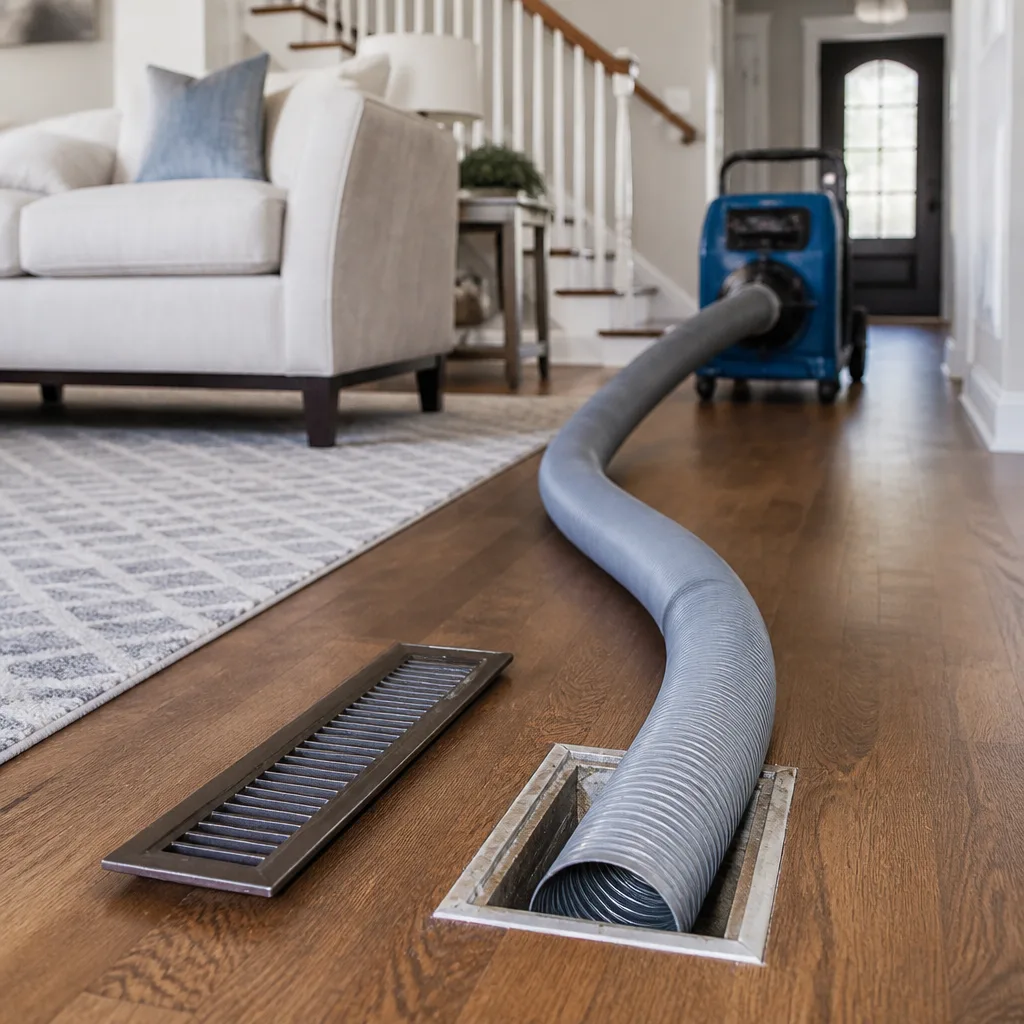 Whole-home duct cleaning
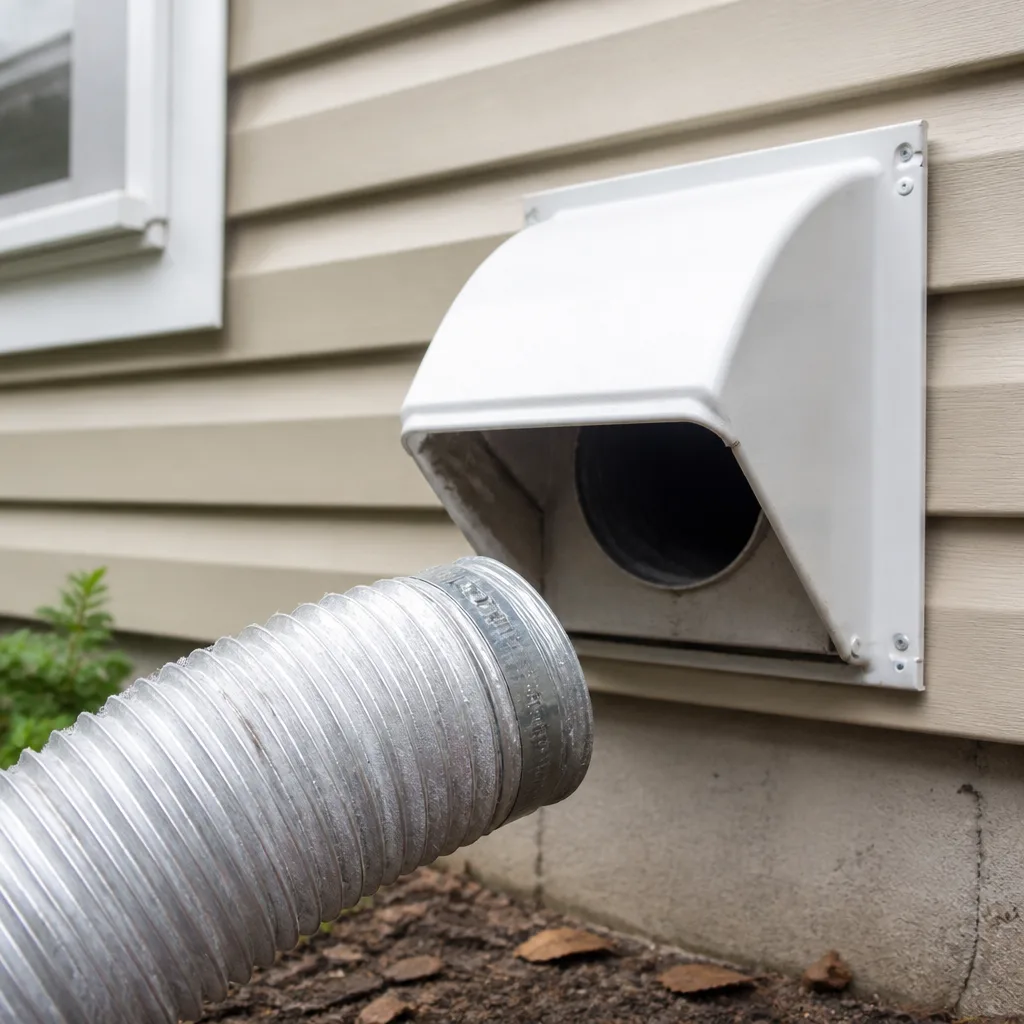 Dryer vent cleaning
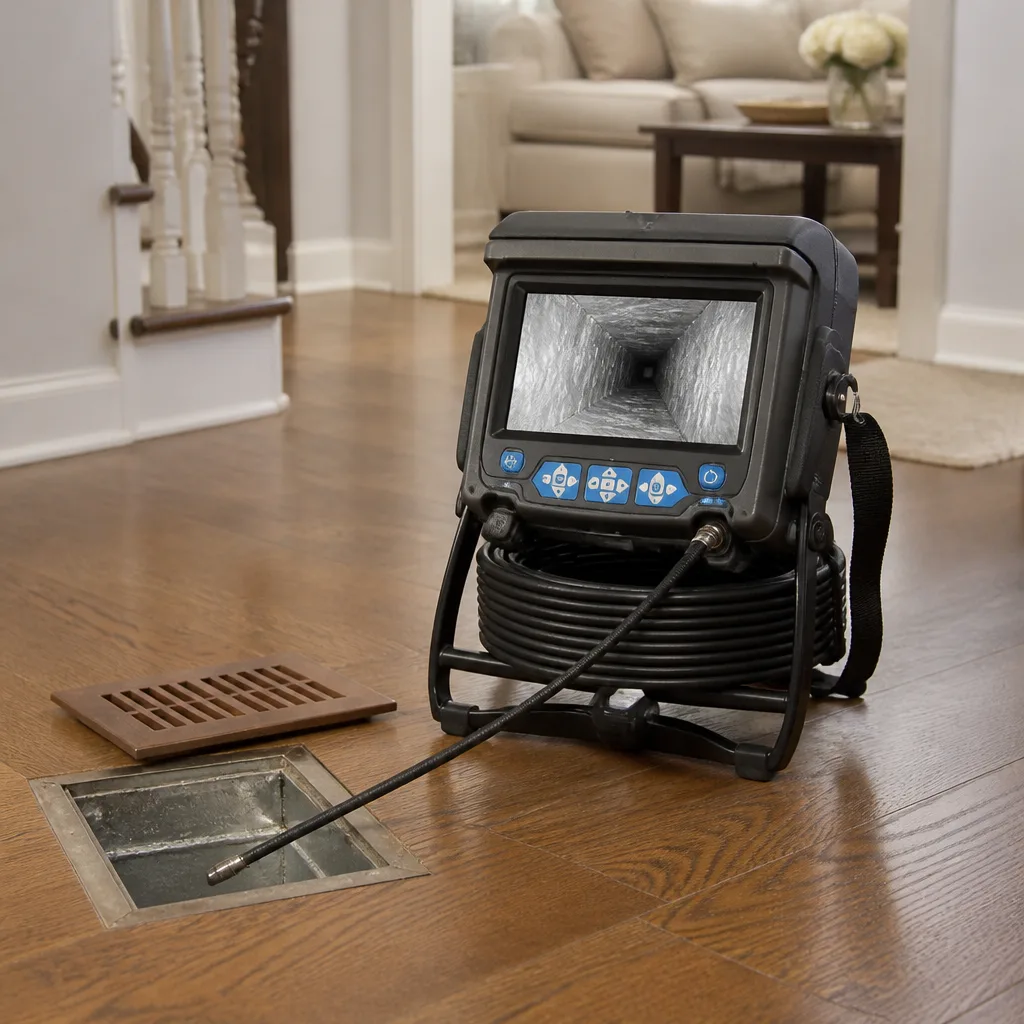 Camera inspection
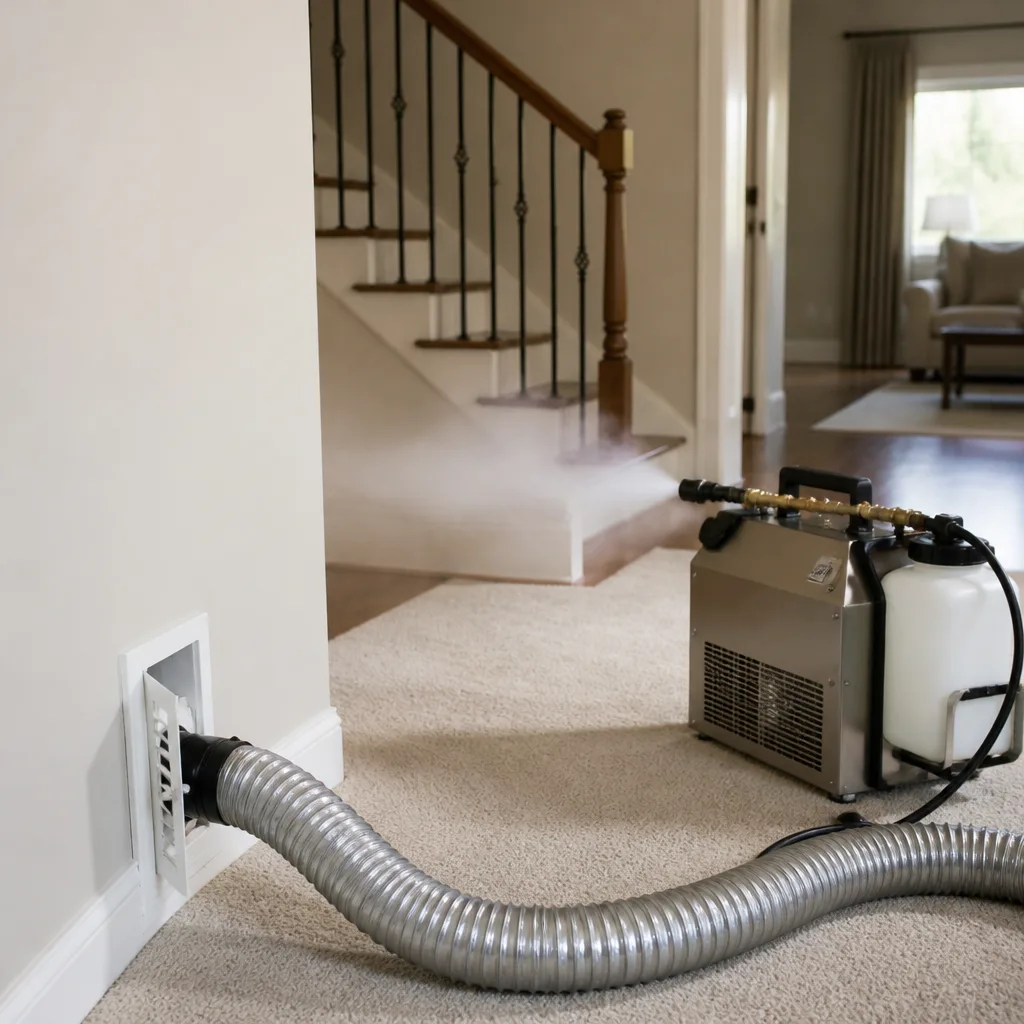 Sanitizing & deodorizing
Whole-system duct and dryer vent check with before-and-after photos - you see exactly what came out of your vents
That "$99 whole-house special" is a bait ad - the real number appears once they are in your hallway, or the "clean" is a shop-vac at the register. We photograph the inside of your ducts before and after instead.
DIY vs Professional Air Duct Cleaning: The Wakefield Homeowner’s Decision Guide
Every “DIY duct cleaning” tutorial online describes the same process: pull the register grille, run a shop vac over the opening, wipe the slats, maybe push a brush down as far as the hose reaches. That routine cleans roughly the surface area of the grille itself and does nothing to the trunk lines, the plenum, or the blower compartment where contamination actually accumulates. The gap isn’t about effort. It’s about physics – the pressure and airflow required to move debris through a duct network, and whether consumer equipment can produce it. This guide separates the maintenance tasks that genuinely belong in a homeowner’s hands from the work that needs equipment you can’t rent at a hardware store, and it explains how to use what you see during DIY upkeep to get a better diagnosis from any contractor, including us here in Wakefield.
Quick Answer
Most homeowner DIY duct work keeps grilles and registers tidy but leaves the trunk lines, plenum, and blower untouched, because a shop vac can’t generate the airflow needed to move built-up debris through a duct system. Professional cleaning with rotary contact tools and negative-air HEPA extraction removes what accumulates inside the ducts themselves; DIY maintenance handles filters, grilles, humidity checks, and dryer vent visual inspection. You need both, and skipping either one wastes money.
Styles & brands we work with
- Whole-home duct cleaning
- Dryer vent cleaning
- Camera inspection
- Sanitizing & deodorizing
Table of Contents
- Why Negative Pressure Decides the DIY Question
- CFM in Plain Terms: What a Shop Vac Can and Can’t Do
- The DIY Maintenance That Actually Matters
- When a DIY Attempt Makes the Problem Worse
- The Real Cost-Benefit of DIY vs Professional Work
- How to Use DIY Observations to Avoid Being Upsold
- What Makes Wakefield Duct Systems Different
- A Simple Decision Framework
Why Negative Pressure Decides the DIY Question
Air duct cleaning works on one principle: you have to establish enough negative pressure at the far end of a duct run to pull debris toward the collection point, while simultaneously agitating the duct walls so material that has bonded to them lets go. Miss either half and you don’t clean the duct – you stir it up. That is the honest answer to the DIY versus professional question, and it’s why the debate isn’t really about how hard you’re willing to work.
A duct system is a network of enclosed cavities. A 10-inch round trunk line running through a Wakefield house holds a substantial volume of air, and debris resting along its lower wall has mass. To move that debris you need two things working together: a pressure differential that keeps material suspended and traveling in one direction, and mechanical contact to break the bond between the debris and the sheet metal or flex liner. Consumer vacuums do neither at duct scale. Professional setups pair air duct cleaning equipment – rotary brush systems that physically contact the duct walls and negative-air HEPA units that hold a pressure differential across the whole system – so that what gets loosened also gets captured.
We see the practical consequence often. A homeowner runs a shop vac at a register, and the register looks clean. The problem is that the trunk line twenty feet away, the plenum above the air handler, and the return path are unchanged. Some of what was disturbed simply resettles downstream. The air inside your home passes through these ducts hundreds of times a day, so anything left in the trunk lines keeps circulating long after the grille is spotless.
What “containment” means and why it’s the other half of the job
Negative pressure also does a second job: containment. When debris is loosened, it has to go somewhere. Professional extraction pulls it into a HEPA-filtered collection unit rather than into the room you’re standing in. That matters most in homes with allergy sufferers, pets, recent renovation dust, or any sign of moisture in the system, where loose material shouldn’t be redistributed into living space. Our own work relies on Nikro and Abatement Technologies HEPA equipment – the same class of negative-air tooling specified for commercial and remediation-grade projects – because capture is not optional.
CFM in Plain Terms: What a Shop Vac Can and Can’t Do
CFM stands for cubic feet per minute – the volume of air a machine moves. Shop vacuums are rated for suction at a small opening, which is a different measurement than sustained airflow through a long, wide duct. A typical consumer shop vac moves a modest volume of air and is designed for short hose runs and sealed pickup at a nozzle. Duct trunk lines present a large cross-section and long runs, so the machine’s airflow spreads thin across a much bigger area.
Professional duct cleaning equipment is built around that problem. The extraction unit is sized to hold negative pressure across the whole duct network while a rotary brush travels the interior, and the brush provides the contact that breaks debris free. Rotobrush rotary contact-cleaning systems are the benchmark we work with for exactly this reason: they agitate the duct walls instead of skimming the surface, and they’re paired with extraction strong enough to capture what the brush releases.
The practical CFM comparison
- Consumer shop vac: high suction at a small nozzle, short hose, small air volume. Good for grilles, register boots, and spills. Not designed to move air through a 10-inch trunk line.
- Rotary contact cleaning: a powered brush whip travels the duct interior and contacts the full circumference of the wall, loosening bonded debris along the run.
- Negative-air HEPA extraction: a high-volume unit pulls a sustained pressure differential through the system and filters everything it captures, which is what keeps disturbed debris from ending up in your living room.
You can’t buy the second and third items at a home improvement store, and you can’t rent them for a weekend. That’s not a sales line – it’s a description of what the machinery is for. The honest version of the DIY question is this: a shop vac can reach the opening of the duct, but it can’t clean the duct.
The DIY Maintenance That Actually Matters
Here’s the part most guides skip, and it’s the part where we’ll tell you to keep your money. Several maintenance tasks genuinely belong to the homeowner, make a measurable difference, and cost almost nothing. Do these consistently and you’ll get more out of any professional cleaning you schedule later.
- Replace filters on schedule. A loaded filter restricts airflow, which raises the load on the blower and lets more dust settle in the ducts. Check the filter monthly during heavy-use seasons and change it per the manufacturer’s guidance. Note how fast it loads – that’s diagnostic information you’ll use later.
- Clean register grilles and boots. Wipe the slats and vacuum the visible opening with a brush attachment. This handles the surface dust that settles at the outlet and keeps the grille from shedding into the room. It does not clean behind the boot, and that’s fine – it’s not supposed to.
- Visual-inspect the dryer vent. Disconnect the vent from the back of the dryer and look inside with a flashlight. Lint accumulation near the dryer connection, a crushed flexible run, or a damper that doesn’t open freely are all things you can spot yourself. If you see heavy lint buildup deeper in the run, stop and schedule dryer vent cleaning – clogged dryer vents are a leading cause of residential fires, and this is not a task to improvise with a leaf blower.
- Monitor indoor humidity. A cheap hygrometer tells you whether the house is running damp. Persistent moisture is the condition that makes dust in a duct system turn into something worse. If humidity stays high, that’s a call worth making before the next heating season in Wakefield.
- Keep returns unobstructed. Furniture pushed against return grilles, rugs over floor returns, and closed doors that starve the return path all change how the system moves air. Ten minutes of rearranging can fix pressure problems that look like duct problems.
That’s the legitimate DIY scope. It’s real maintenance. It’s just not duct cleaning in the sense that matters to the trunk lines, and we’d rather say so plainly than sell you a service you don’t need yet.
When a DIY Attempt Makes the Problem Worse
Some DIY duct work doesn’t just fail to help – it creates a new problem. We’ve seen each of these scenarios in Wakefield homes, and they’re worth knowing before you start.
Disturbing mold growth without containment
If there’s visible microbial growth inside a register or a duct opening, agitating it with a brush or a vacuum hose spreads spores through the airstream with no capture in place. That’s the one scenario where doing nothing is better than improvising. Growth inside a duct system points to a moisture source that needs to be found and corrected, then the affected area cleaned and treated with a product designed for it. We use Guardsman-line treatments for sanitizing and surface protection after cleaning precisely because a generic spray is not the same thing.
Pushing debris further into the system
Running a shop vac into a duct opening without proper extraction can push loose material deeper into the run, or stir it into the branch lines where it settles and re-enters the airstream. Debris moved from a grille to a trunk line is not an improvement. It’s the same debris in a harder place to reach.
Damaging flex duct with rigid attachments
Flex duct has a thin inner liner supported by a wire helix. A rigid brush attachment on a drill or a stiff rod forced down a flex run can tear the liner or separate the helix, and a torn liner becomes a permanent leak that dumps air into a wall cavity. Repairing that means replacing the section – a much bigger job than the cleaning you were trying to do. Duct integrity is its own discipline, which is why we treat repair and sealing as a core service rather than an afterthought: what a cleaning reveals can be fixed in the same visit when the right tools are on hand.
Forgetting the dryer vent entirely
The most common DIY shortfall isn’t in the HVAC ducts at all. It’s the dryer vent, cleaned once with a flexible kit and then never revisited. Lint compacts against the damper and along the run, and the vent quietly becomes a fire hazard. Treat dryer vent work as a safety service, not a convenience, and check it more often than you think.
The Real Cost-Benefit of DIY vs Professional Work
Homeowners frame this as a money question, so let’s answer it as one. DIY maintenance saves real money and is worth doing. What it can’t do is substitute for professional extraction, and treating it as a substitute is where the savings evaporate.
Handling the tasks in the DIY scope costs you the price of filters and an afternoon of your time each season. That’s a genuine saving on the routine side of system care. Skipping professional cleaning entirely is a different calculation: contamination that stays in the trunk lines, the plenum, and the blower keeps circulating, keeps loading your filters faster, and keeps the blower working harder than it should. You don’t see an invoice for that, but you pay for it in filter purchases, energy use, and the eventual cost of a bigger correction.
The other trap is the coupon-mailer quote. A very low advertised number that becomes a much larger invoice once the technician is on site is the reputation problem this trade has, and homeowners are right to be wary. The answer to it is simple: one flat price per system agreed before any work starts, no per-vent pricing, and before-and-after photos of your own ducts so you can see what changed. Our estimates are free and the written estimate sets the final price. When you compare quotes, compare what’s included – trunk lines, plenum, blower, sanitizing, repair – not just the headline number.
What a complete service covers that a partial one doesn’t
- Air duct cleaning: the full duct network, including trunk lines and branch runs, with rotary contact cleaning and HEPA extraction.
- HVAC cleaning: the air handler, blower, and coil area, where debris accumulates outside the ductwork itself.
- Duct repair and sealing: fixing leaks and liner damage found during cleaning, in the same visit.
- Air quality and sanitizing: treatment and surface protection after cleaning, relevant for households with allergies, asthma, or pets.
- Dryer vent cleaning: a dedicated service, not an add-on afterthought.
Five service categories covering the full indoor air pathway means the person cleaning your ducts can also address what the cleaning reveals. That’s not a pitch for more work – it’s a reason a single visit can finish the job instead of handing you a punch list of contractors to call next.
How to Use DIY Observations to Avoid Being Upsold
This is the section that pays for itself. Your own maintenance routine generates real diagnostic information, and a contractor who respects you will use it rather than talk past it. Gather these observations before you call anyone:
- How fast filters load. If a filter that used to last a season is now dark in a month, that’s a meaningful change worth reporting. It points toward increased particulate load in the system, and it’s a specific, verifiable observation rather than a vague “it seems dusty.”
- What you see at the registers. Note which registers show dust first and whether the pattern is uniform or concentrated in one room. Uneven patterns often point to a pressure or leakage issue in that branch rather than a whole-system cleaning need.
- Smell. A musty or stale odor when the system starts up is a real observation. Report it as you experience it and when it happens.
- Humidity readings. Bring the number. Persistent dampness changes what a contractor should recommend.
- Dryer vent condition. Tell them what you saw inside the vent and how long it’s been since it was last cleaned. If they don’t ask, that’s a signal.
With those observations in hand, you can ask directly: does my system need full duct cleaning, or is this a filter and airflow issue? A straight answer to that question is the mark of a contractor worth hiring. When we visit a Wakefield home, we’d rather tell you the ducts are in good shape than sell a cleaning you don’t need – we walk the system with you, which is how Wakefield Air Duct Cleaning works. If the ducts do need cleaning, the scope should be explained before the price, not after.
What Makes Wakefield Duct Systems Different
Duct contamination is shaped by the house, the season, and how the system was installed, and Wakefield homes have their own patterns worth understanding.
This part of Westchester runs through real seasonal swing – humid summers followed by dry, cold winters – and that cycle affects duct systems in a specific way. Summer humidity raises moisture levels in unconditioned spaces like attics and basements, which is where poorly sealed flex runs commonly pass through. When humid air meets a cooler duct surface, condensation forms, and persistent dampness inside a duct is the condition that turns ordinary dust into something that smells. Winter then dries the house out and drives the heating system hard, which pulls more air through the same ducts and circulates whatever settled there. If your system has a return path that runs through an unfinished basement or attic, that’s the run most likely to show moisture issues first.
Housing stock matters too. Wakefield has a mix of older homes with sheet metal ductwork – which dents, separates at seams, and often has unsealed joints where debris collects – and newer construction with flex duct, which is efficient when intact and prone to tears and sagging when it isn’t. Both need a different approach: metal gets rotary contact cleaning and sealing, flex gets careful handling and repair. Our technicians have up to 12 years of experience with both, and part of that experience is knowing when to slow down and inspect rather than push a brush through something fragile.
Renovation dust is its own category
If a Wakefield home has had recent renovation work – a kitchen, an addition, a finished basement – that dust is finer and more abrasive than typical household dust, and it finds its way into the return system quickly. Post-renovation cleaning is a different scope than routine maintenance, and it’s worth scheduling before you move back into the space rather than after you’ve been breathing it for a month. Integrating Honeywell and Aprilaire filtration products afterward helps hold the improvement, which matters more than cleaning alone.
A Simple Decision Framework
Here’s how to sort the question for your own house. Start with the easy middle: the DIY maintenance tasks in this guide are yours to own, and doing them well is a genuine contribution to your indoor air quality. Filter changes, grille cleaning, humidity monitoring, and dryer vent visual inspection take an afternoon each season and cost almost nothing.
Call a professional when any of the following is true:
- You see visible dust trails from registers, or dust collects on surfaces within days of cleaning.
- Any room smells musty or stale when the system starts up.
- Filters are loading noticeably faster than they used to.
- The home has had recent renovation work.
- Anyone in the household has allergies, asthma, or respiratory sensitivity.
- The dryer vent shows heavy lint accumulation or the dryer takes longer than it used to dry a load.
- You’ve never had the ducts cleaned and don’t know their history.
- You spot visible moisture or growth inside a register or duct opening.
When you call, ask what the scope includes, whether the price is per system or per vent, and whether before-and-after photos are part of the job. Those three questions filter out most of the quotes you’d regret.
Common Mistakes to Avoid
- Thinking a shop vac at the register counts as duct cleaning. It cleans the opening, not the run, and it’s the single most common misunderstanding we see in Wakefield homes. The grille looks clean and the trunk line hasn’t changed.
- Running a rigid brush down flex duct. Flex liner tears easily, and a torn liner is a permanent leak into a wall cavity. Use soft attachments for anything flexible and leave the deep run to proper equipment.
- Agitating visible growth without containment. Disturbing microbial growth with no HEPA capture in place spreads spores through the airstream. If you see growth, that’s a call-a-professional scenario, not a cleaning project.
- Forgetting the dryer vent year after year. Lint accumulation is the fire hazard in the system, and it builds quietly. Put a visual inspection on your seasonal list and follow through.
- Choosing a quote on price alone. A very low number that grows once a technician is on site is the pattern homeowners rightly distrust. Insist on one flat price per system, agreed before work starts.
- Skipping filters during renovation. Fine construction dust loads the filter fast and moves into the return system quickly. Check and replace more often during and after renovation work.
- Not asking what’s in the scope. If a quote doesn’t mention the plenum, the blower, or whether repair and sealing are available, you don’t know what you’re comparing. Ask directly.
See the difference
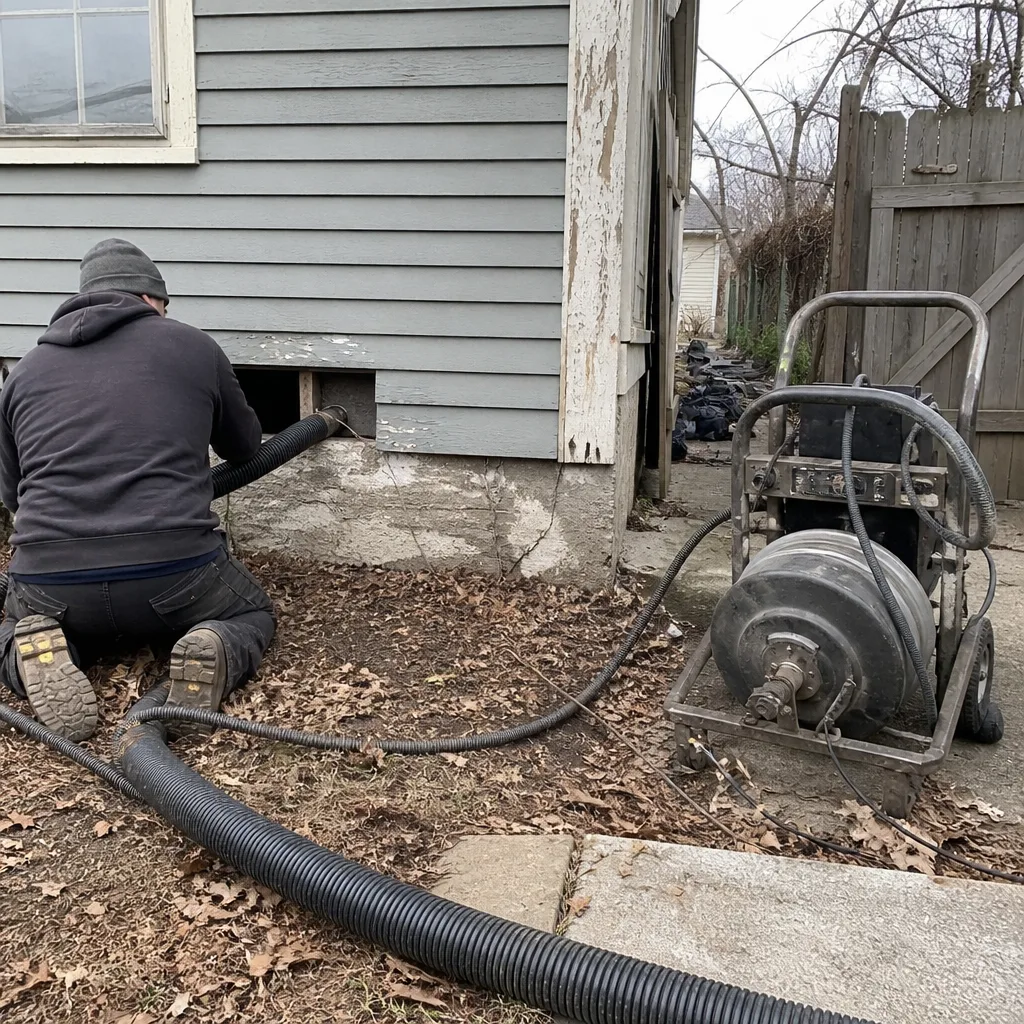 Before
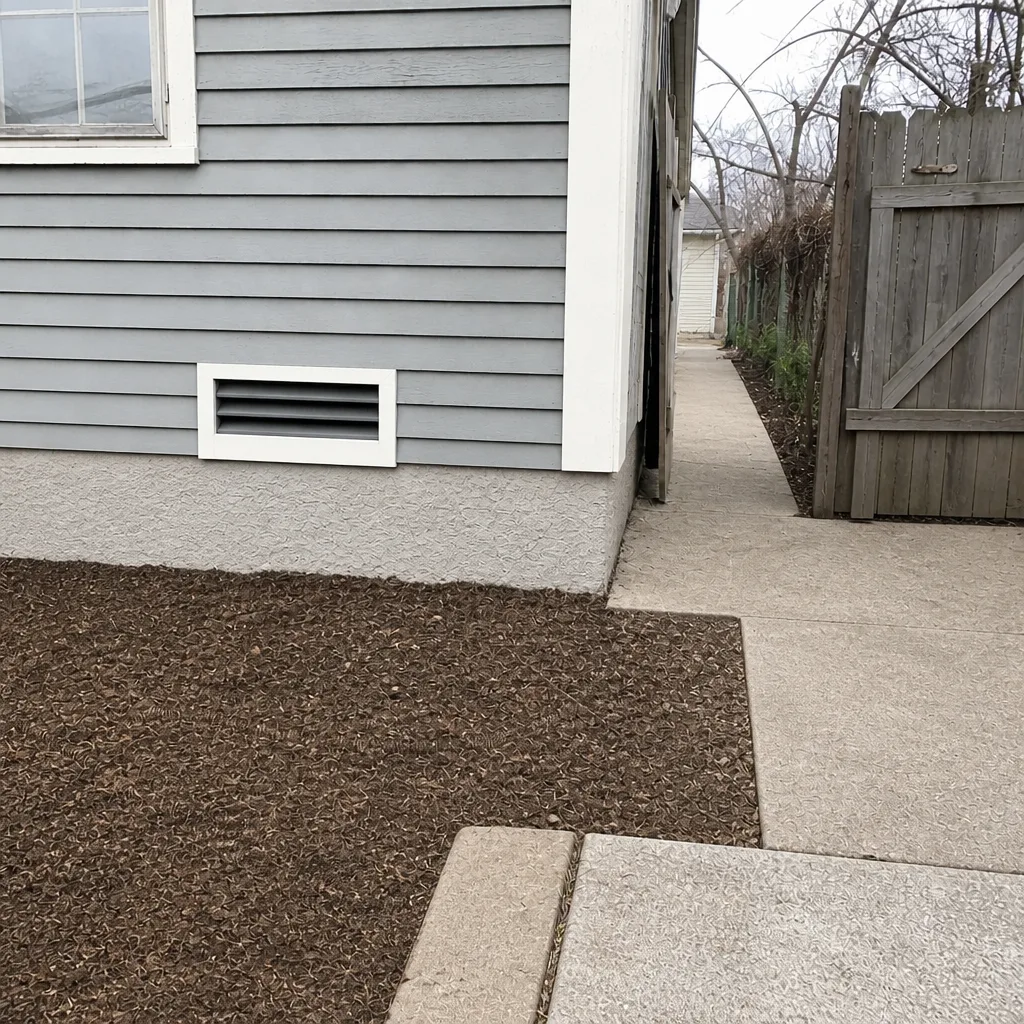 After
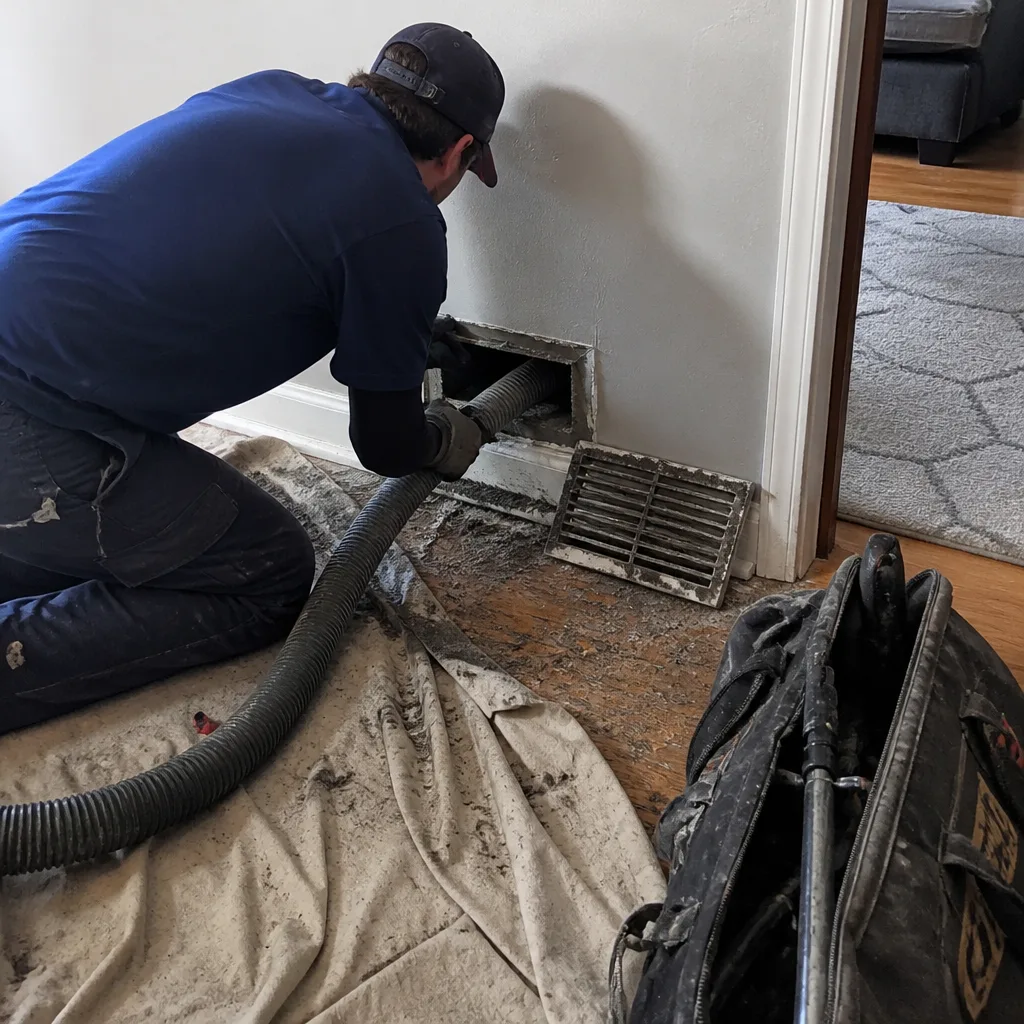 Before
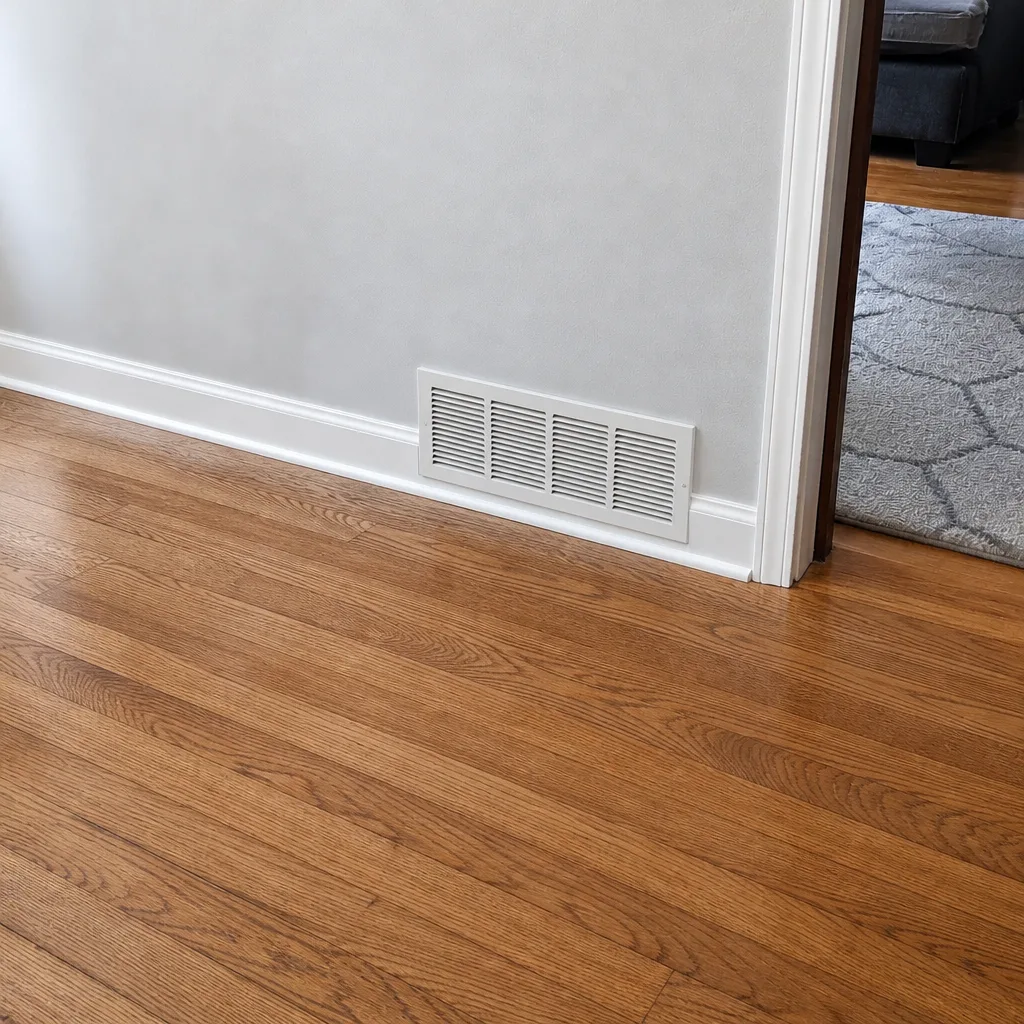 After
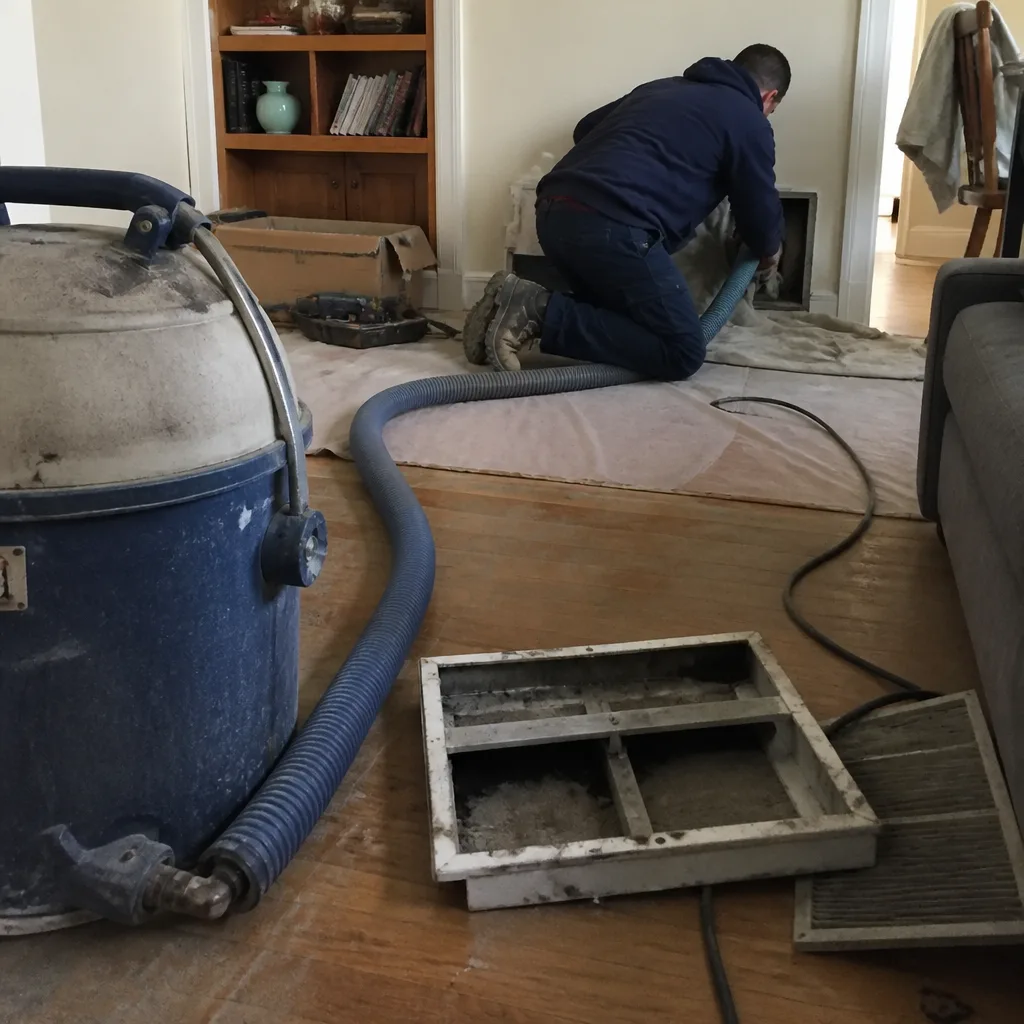 Before
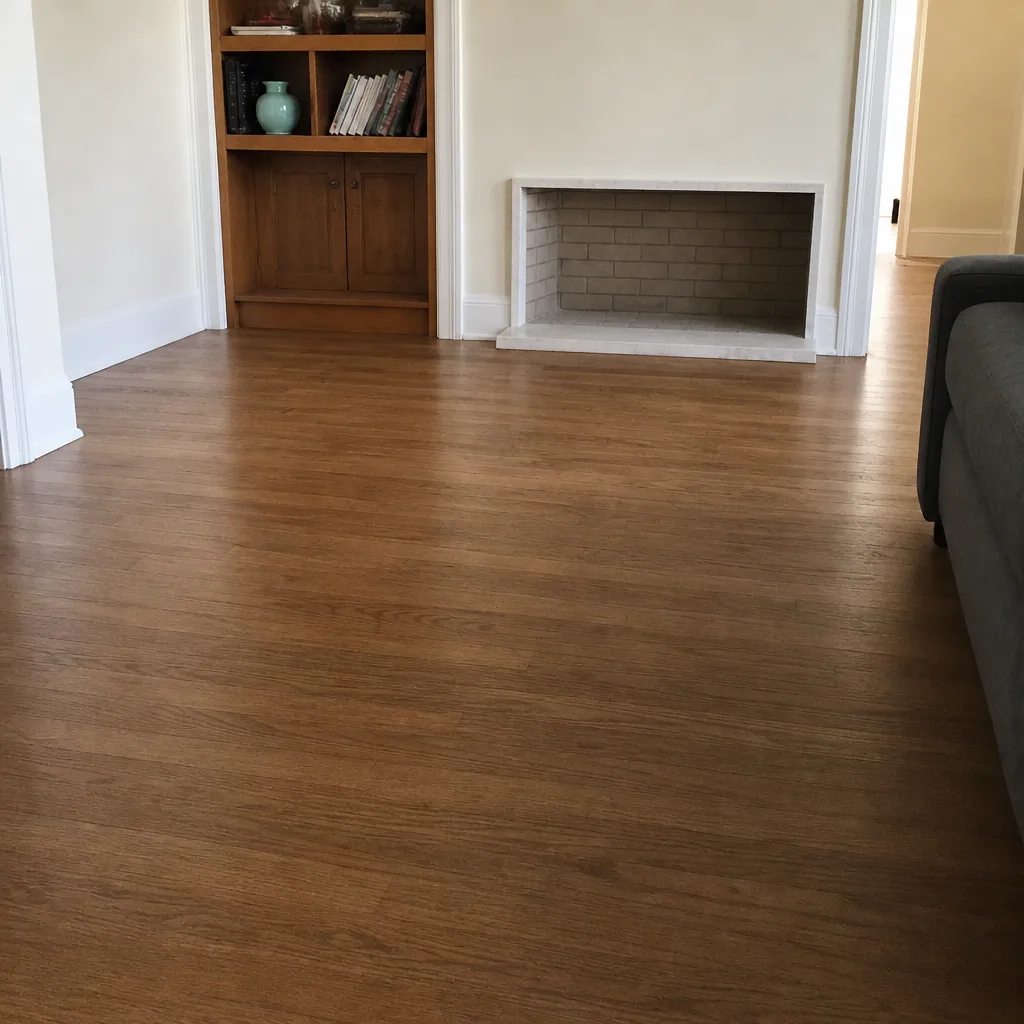 After
When to Call a Professional
Call a professional when the problem is inside the duct system rather than at its openings – visible dust returning to surfaces quickly, a musty smell at startup, filters loading faster than normal, recent renovation dust, or any sign of moisture or growth inside a duct. Call for dryer vent cleaning if you see heavy lint buildup or the dryer is drying slowly. Call if you’re unsure: a walk-through of the system with the homeowner present costs nothing and settles the question. Wakefield Air Duct Cleaning offers free estimates in Wakefield – call (844) 902-2536. We answer 24/7. Fast dispatch from 7am to 7pm, Sunday through Friday. One flat price per system, agreed before work starts, and before-and-after photos of your own ducts when the job is done.
Frequently Asked Questions
No, and the reason is equipment, not effort. A shop vac can clean register grilles and boots but cannot generate the sustained negative pressure needed to move built-up debris through a 10-inch trunk line, and it provides no mechanical contact to the duct walls. You can own the maintenance tasks – filters, grilles, humidity checks, dryer vent inspection – but the duct interiors need rotary contact cleaning and HEPA extraction. Call (844) 902-2536 for a free estimate so you know exactly what the system needs.
Duct cleaning is priced per system, not per vent, and the exact figure depends on the number of runs, the condition of the ductwork, and whether repair, sealing, or sanitizing is included. Ask for one flat price per system, agreed before any work starts, with the scope spelled out in writing. We provide free estimates and the written estimate sets the final price. Call (844) 902-2536 for an exact quote.
A very low quote usually covers a very thin scope – often a quick pass at the registers with no trunk-line work, no plenum or blower cleaning, and no capture equipment. The advertised number becomes a much larger invoice once the technician is on site, which is the pattern this trade is rightly distrusted for. Compare what’s included in the scope, not the headline number, and insist the price be fixed before work begins. Call (844) 902-2536 for a written estimate you can compare line by line.
Before-and-after photos of your own ductwork are the clearest answer, and they should be part of the job rather than something you have to request. Ask for them up front. Beyond that, ask what specific equipment is being used – rotary contact cleaning and HEPA extraction are the methods that remove debris instead of redistributing it. Call (844) 902-2536 and we’ll walk you through what a typical visit covers.
There’s no fixed schedule that fits every house – it depends on pets, occupants with allergies, recent renovation, and what your filters are telling you. A reasonable rule is to reassess whenever filters start loading faster than usual, dust returns to surfaces quickly, or you notice a musty smell at system startup. If the history is unknown, a cleaning now gives you a baseline. Call (844) 902-2536 for a free assessment of whether your system is due.
Yes, they’re different systems with different hazards, and dryer vent cleaning is its own service. Lint packed against the damper and along the run is a leading cause of residential fires, and it accumulates silently regardless of what your HVAC ducts look like. Visual inspection is something you can do yourself; deep cleaning of the run is not. Call (844) 902-2536 to schedule a dryer vent cleaning in Wakefield.
The Bottom Line
The DIY versus professional question has a cleaner answer than most guides admit. Own the maintenance: replace filters, keep grilles clean, monitor humidity, inspect the dryer vent, and note what you see – that work is real and it matters. Leave the duct interiors to equipment that can actually produce negative pressure through a trunk line and contact the duct walls, because a shop vac cleans the opening and not the run. The two aren’t competing strategies. DIY upkeep plus periodic professional cleaning is the combination that keeps a Wakefield home’s air pathway in good shape. If you’re unsure which side of the line you’re on, a free estimate settles it. Call (844) 902-2536. We answer 24/7. Fast dispatch from 7am to 7pm, Sunday through Friday.
Written by the team at Wakefield Air Duct Cleaning.