
Last updated November 22, 2026
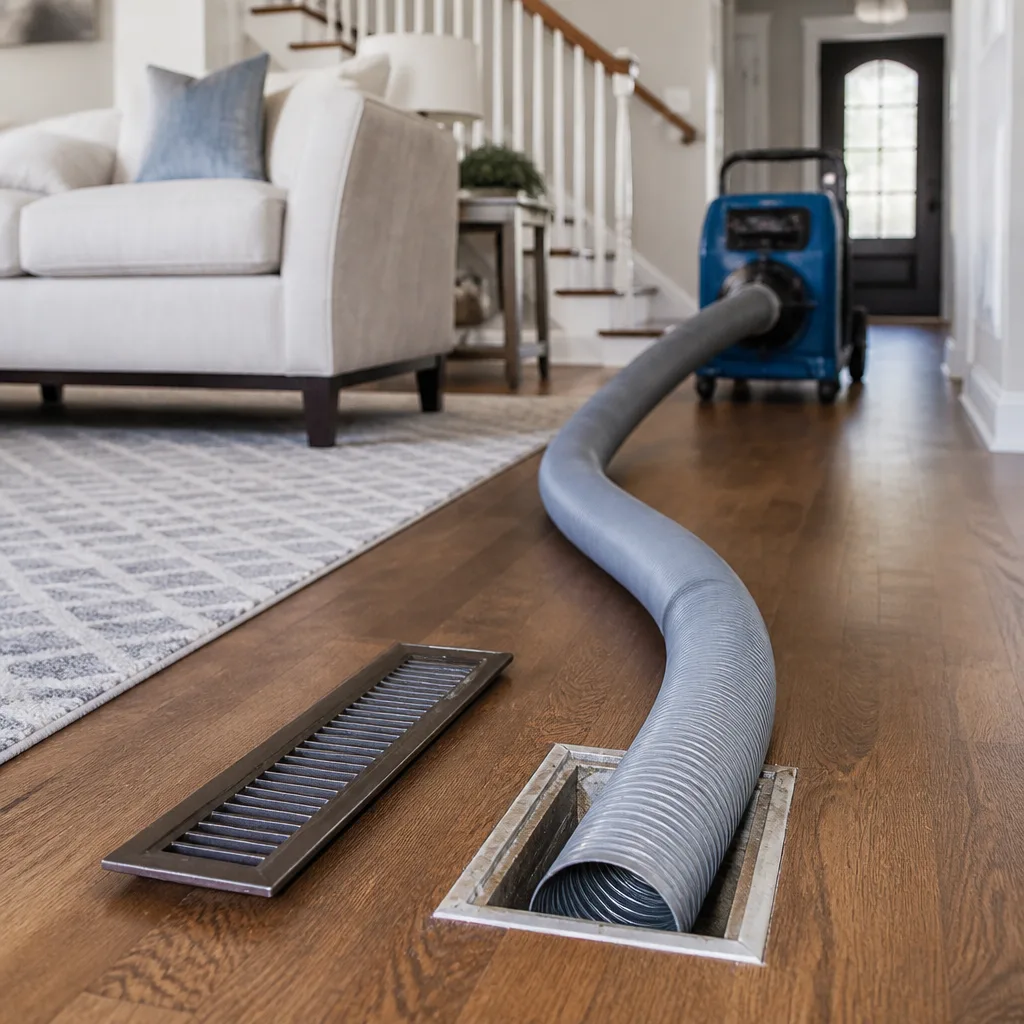 Whole-home duct cleaning
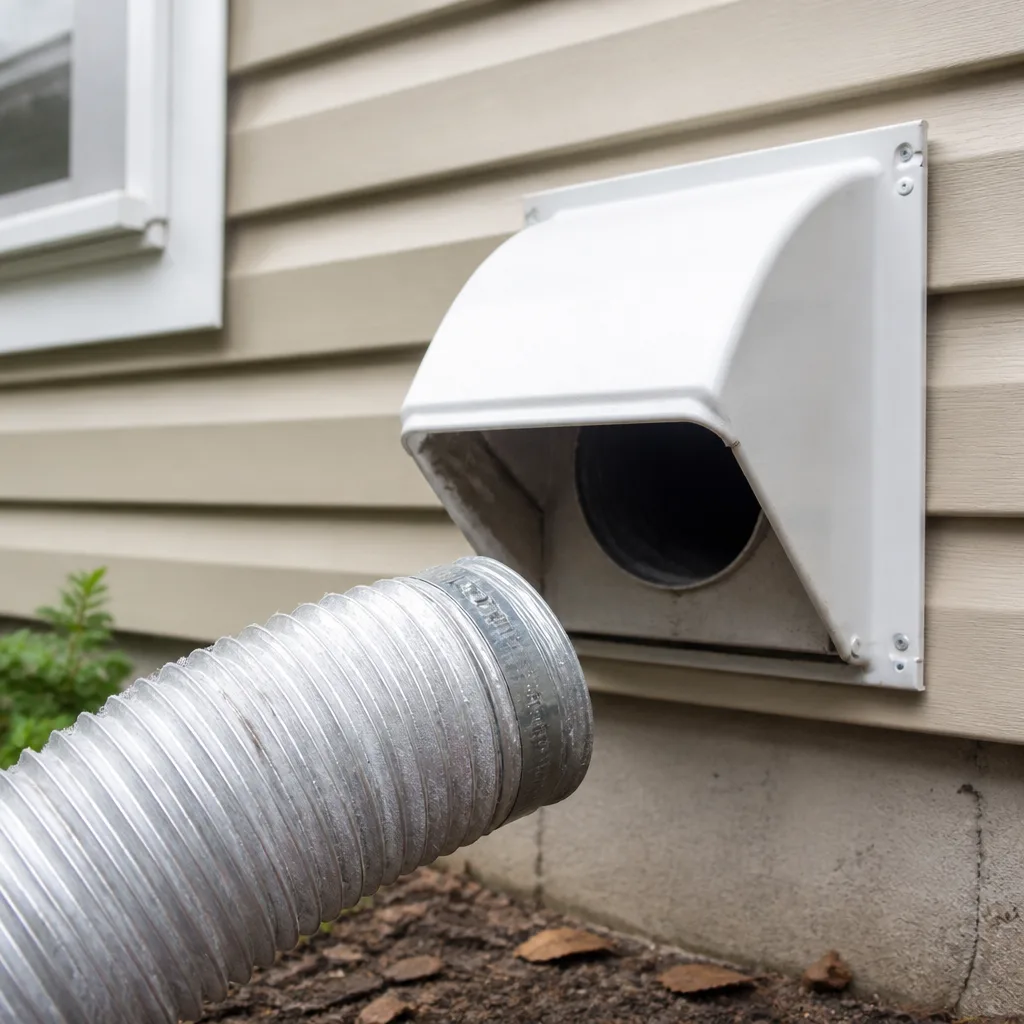 Dryer vent cleaning
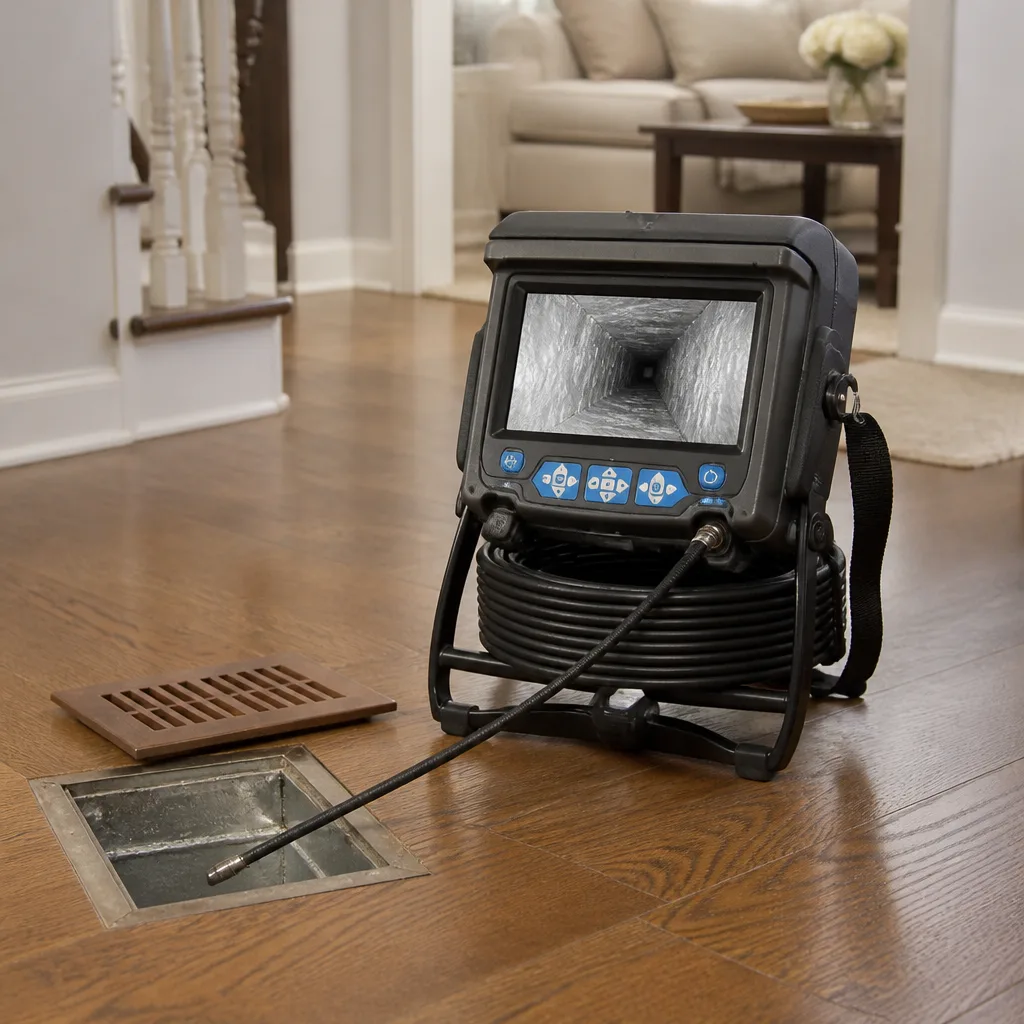 Camera inspection
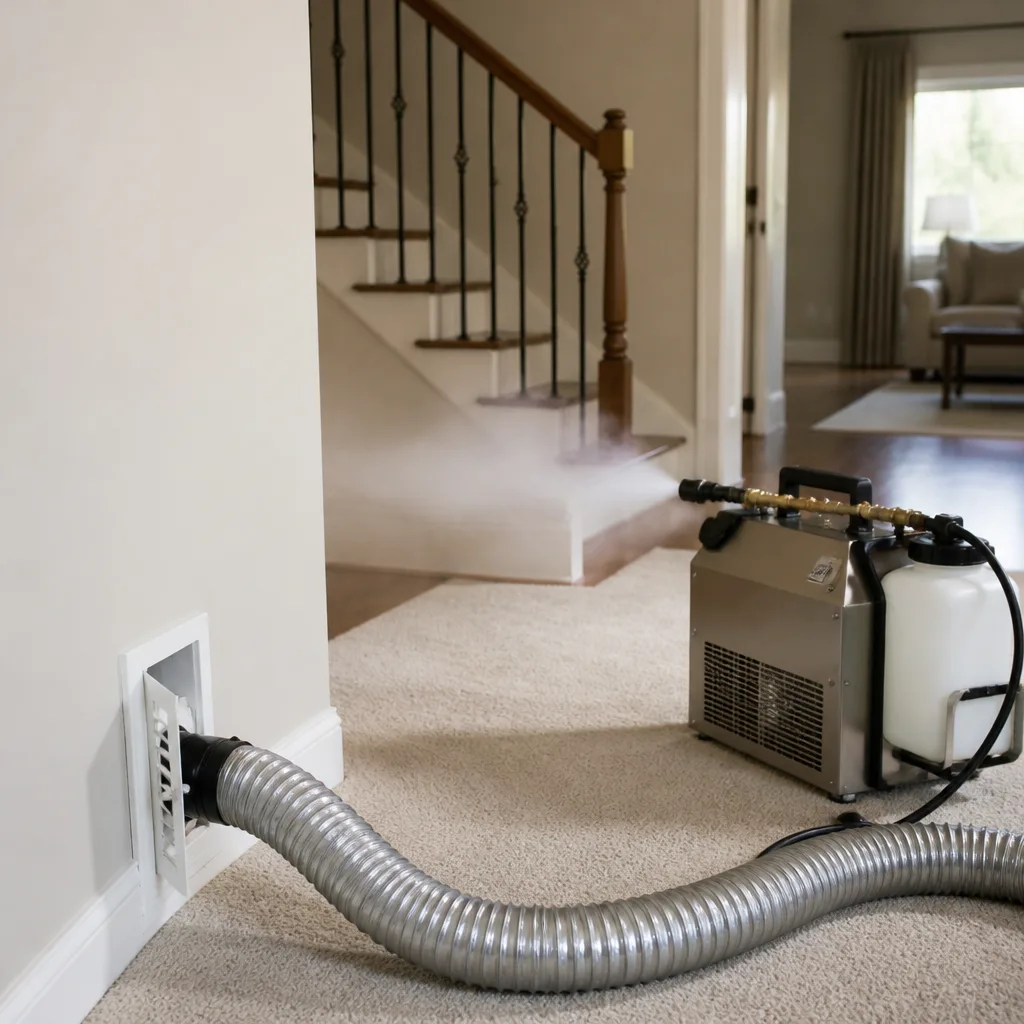 Sanitizing & deodorizing
Whole-system duct and dryer vent check with before-and-after photos - you see exactly what came out of your vents
That "$99 whole-house special" is a bait ad - the real number appears once they are in your hallway, or the "clean" is a shop-vac at the register. We photograph the inside of your ducts before and after instead.
Seasonal Air Duct Cleaning Care for Wakefield: Year-Round Homeowner’s Guide
Most homeowners treat duct cleaning as a whenever-we-get-around-to-it chore. That’s the mistake. “Spring cleaning” for your ducts is too vague to be useful: by the time the calendar flips to a season, the system has already spent six weeks pulling in whatever the outdoors handed it. In Wakefield, the air moving through your ductwork changes character several times a year. Pollen loads spike, humidity climbs and then collapses, heating season drives dry, static-heavy air back through the same channels. A yearly care plan that ignores those shifts is reactive by design. This guide gives you a month-by-month map of what your system is actually experiencing, and what to do about it.
Quick Answer
The best time to schedule a full duct cleaning in Wakefield is the narrow stretch after local pollen peak and before sustained summer humidity, and again in early fall before the heating season starts. Between those two bookends, seasonal care is mostly maintenance: filter swaps, coil and drain pan checks, intake inspections, and sealing the leaks the cleaning exposes. Year-round care means matching the task to the month, not repeating the same routine in every season.
Styles & brands we work with
- Whole-home duct cleaning
- Dryer vent cleaning
- Camera inspection
- Sanitizing & deodorizing
Table of Contents
- Why a Seasonal Framework Beats an Annual Cleaning
- Spring in Wakefield: Pollen Infiltration and the Post-Pollen Window
- Summer: Humidity, Coil Load, and Moisture in the Duct Lining
- Fall: Intake Contamination and the Pre-Winter Inspection
- Winter: Dry-Air Static and the Post-Heating Checklist
- How to Change Your Filter MERV Rating by Season
- A Month-by-Month Care Calendar for Wakefield Homes
- Common Mistakes to Avoid
Why a Seasonal Framework Beats an Annual Cleaning
Most duct cleaning advice assumes the system is under the same load all year. It isn’t. In Wakefield, the outdoor air quality swings noticeably across the calendar, and your HVAC system is the membrane between that outdoor air and your indoor air. In spring it’s pulling in pollen. In summer it’s fighting humidity. In fall it’s collecting leaf debris and fine grit. In winter the air is dry enough to turn dust into a static charge that clings to duct walls instead of being carried out.
Each of those conditions produces a different kind of buildup, and a different kind of risk. Running the same routine every month ignores that. A seasonal framework treats the duct system as something that changes with the weather, because it does.
Here’s the practical difference. An annual cleaning done in the wrong month captures the buildup from the season that just ended but leaves no protection against the one about to start. A cleaning scheduled deliberately in the post-pollen, pre-humidity window clears the spring load before summer moisture can complicate it. And then the fall inspection catches anything that accumulated over the cooling months before the heating system pushes it back through the house.
Three things shift with the seasons in a Wakefield home:
- Particulate load. Spring and fall are the heaviest infiltration months, because the outdoor air itself is carrying pollen and fine debris.
- Moisture conditions. Summer cooling creates condensate. Cold duct surfaces plus warm humid air equal moisture, and moisture plus food particles equals microbial growth.
- Static charge. Winter heating dries the indoor air. Dry air increases static, and static makes fine dust stick to duct walls and registers where a vacuum alone won’t lift it.
That’s the reasoning behind everything in this guide. If you want the background on how the full cleaning process works year-round, our air duct cleaning page covers the equipment and method. This guide is about timing.
Spring in Wakefield: Pollen Infiltration and the Post-Pollen Window
Spring is the season when your ducts are working hardest as a filter, whether you asked them to or not. Every time the system runs, outdoor air and fine pollen get drawn through the intake, past the filter, and settle along the duct walls and surfaces downstream. Some of it collects where the filter caught it. The rest doesn’t.
Here’s the key point that most scheduling advice misses. The right time to book your spring cleaning is not “in spring.” It’s the tight window after local pollen has peaked and before sustained humidity settles in for the summer. That’s typically a six-week stretch, and it’s the best combination of conditions you’ll get all year: the pollen load is on the walls and ready to be removed, and the humidity hasn’t yet turned that load into something that feeds microbial growth.
Schedule too early and you clean out the ducts before the bulk of the pollen arrives. Schedule too late and you’re cleaning in humid conditions, when moisture is already in play and the debris on the walls has had time to settle into something stubborn. The middle is where the work pays off best.
What spring care involves
- Book the full cleaning in the post-pollen window.
- Change the filter at the same time, and step up to a MERV 11 or 13 for the pollen months.
- Inspect the return-air grilles for visible pollen film; if you can see it, the duct behind it is carrying more.
- Check window and door weatherstripping, since it’s the entry point for a lot of infiltration load.
- Have the technicians look for gaps in the ductwork at the same time as the cleaning. Pollen that gets in through a leak isn’t caught by any filter.
The cleaning itself isn’t a surface skim. We use Rotobrush rotary contact-cleaning systems to dislodge material stuck to the duct walls, and Nikro HEPA extraction to pull it out rather than pushing it into the room. That combination matters when the load is fine and airborne, which is exactly what pollen is. Debris gets removed, not redistributed.
Summer: Humidity, Coil Load, and Moisture in the Duct Lining
Summer is when moisture becomes the story. The air-conditioning coil works by chilling air below its dew point, which pulls moisture out of it, and that moisture has to go somewhere. It drains away in a healthy system. In a system with a fouled coil or a clogged drain pan, it sits.
And where moisture sits inside an HVAC system, microbial growth follows. Duct lining, particularly the fibrous interior lining found in many duct systems, is exactly the kind of porous surface that holds moisture and supports growth once the conditions are right. This is why summer care is less about dust and more about water.
Summer maintenance priorities
- Coil inspection. A dirty evaporator coil both reduces cooling efficiency and holds moisture. It needs cleaning, not just a glance.
- Drain pan and condensate line. Standing water in the pan is a red flag. The line should be clear and the pan should drain fully.
- Duct lining check. Any sign of dampness or discoloration on the interior lining needs attention before the problem spreads.
- Sanitizing after cleaning. When microbial growth is present, cleaning removes the debris and a treatment addresses what’s left on the surfaces.
We handle this under two services that work together: HVAC cleaning for the coil, pan, and system components, and air quality sanitizing for the ductwork itself. For the sanitizing step we use Guardsman-line treatments, which is a named product line rather than a mystery chemical spray, so you know what’s being applied to the surfaces your air passes over.
For homes with allergy or asthma concerns, summer is also the season to consider integrating a proper filtration component upstream of the coil. We work with Honeywell and Aprilaire filtration products for that, and it bridges the gap between periodic duct maintenance and continuous air treatment. That’s a conversation worth having during the summer maintenance visit rather than after allergy season.
Fall: Intake Contamination and the Pre-Winter Inspection
Fall is the highest-risk season for intake contamination in Wakefield. Two things happen at once. Outdoor debris load climbs as leaves, seed material, and fine grit blow around and settle. And the heating system starts cycling for the first time in months, pulling that accumulated material through the return side of the system before the winter heating load arrives.
The intake is the weak point. The return-air side of your system operates under negative pressure, which means any leak in the return ductwork pulls air in from wherever it’s routed: a crawlspace, an attic, a garage wall cavity, or simply the outdoor air. What gets pulled in goes straight through the system and into the rooms you live in. It never passes through the filter, because the leak is downstream of it.
The weeks before heating season are the logical time for a pre-winter inspection. In our experience, that’s when we find the return-side leaks and the buildup behind the intake grilles that have been quietly collecting all cooling season.
Pre-winter inspection checklist
- Inspect the return-air grilles for visible dust and debris buildup.
- Check the return ductwork for gaps, loose joints, and disconnected sections, especially where it runs through unconditioned space.
- Verify the filter is clean and correctly seated before heating season.
- Look at the interior of the air handler cabinet for debris that has bypassed the filter.
- Have the ductwork cleaned if the cooling-season accumulation is significant.
- Seal any leaks found, before the heating system starts cycling and pulling more air through them.
- Check the furnace for signs that combustion byproducts are not venting properly (more on this in the winter section).
The sealing step is the one most homeowners skip, and it’s the one that matters longest. A cleaning that reveals leaks and doesn’t seal them means the same problem returns by spring. Duct repair and sealing is one of our core services, and we handle it in the same visit as the cleaning where possible, so you’re not booking a second contractor to fix what the cleaning exposed.
Winter: Dry-Air Static and the Post-Heating Checklist
Winter is the season of dry air, and dry air does something specific to ductwork. Low humidity raises the static charge on duct surfaces, which makes fine dust cling to the walls and registers instead of settling or being carried out. That’s why winter dust builds up in ways that a quick vacuum can’t fix: it’s stuck to the surfaces electrostatically.
Winter is also when a more serious concern comes into play for older Wakefield homes. Furnaces that have been running for years or decades need their venting and heat exchanger conditions checked, because a compromised heat exchanger or blocked flue can allow combustion byproducts to enter the airstream. Carbon monoxide is the reason to take this seriously, and the post-heating-season inspection is when it should be on the radar.
This is not a do-it-yourself check. Combustion byproduct risks involve gas lines, venting, and components that require a trained professional to assess safely. If you suspect any venting or heat exchanger issue, stop using the system and call a qualified HVAC professional. Your local gas utility or fire department can also advise on carbon monoxide concerns, and a working CO alarm on every level is the baseline second layer of protection.
Post-heating-season inspection checklist
- Have the heat exchanger inspected by a trained professional for cracks or gaps.
- Confirm the flue and venting are clear and properly connected.
- Check the supply registers for soot or discoloration, which can indicate venting problems.
- Test CO alarms and replace batteries.
- Check for condensation and corrosion near the furnace, which can point to venting issues.
- Book the duct cleaning for the post-pollen spring window once the heating season ends.
By the time the heating season winds down, the duct system is carrying whatever accumulated over the winter, and the wait until spring is the right interval before the next full cleaning. That’s the point where the calendar loops: winter inspection, spring cleaning, summer moisture care, fall intake inspection.
How to Change Your Filter MERV Rating by Season
Running the same filter year-round regardless of what’s happening outdoors is one of the most common and most fixable mistakes in home air quality. A filter is a resistance element in the airstream, and the right MERV rating depends on what the system is pulling in and what it can handle.
Here’s the practical seasonal breakdown:
- Spring (pollen season): Step up to a MERV 11 or 13. Pollen is fine and easily airborne, and a higher MERV catches more of it before it settles in the ducts. Change the filter at the start and end of the pollen window.
- Summer (cooling season): Stay at MERV 11 or 13 if the system handles it, and change it on schedule. Coil load rises with a clogged filter, and a clogged filter means a coil that can’t pull enough air across it to dehumidify properly.
- Fall (debris season): MERV 11 is a reasonable baseline. Check it more often than you think you need to, since fine grit and leaf matter load a filter quickly.
- Winter (heating season): Match the filter to your system’s rated capacity. Higher MERV isn’t automatically better if it restricts airflow enough to stress the blower or shorten filter life.
The key is that your system has a maximum MERV it can handle without excessive pressure drop, and exceeding it does more harm than good. Ask your HVAC professional what that ceiling is, and stay under it. If you want a permanent answer to filtration rather than filter swaps forever, integrated filtration media from Honeywell or Aprilaire are designed to sit in the system and provide predictable performance across seasons. That’s a different conversation than a filter in a slot.
One more thing on filters: they don’t clean the ducts. A filter catches what reaches it. Debris that is already settled in the ductwork stays there until it’s physically removed, and some of it bypasses the filter entirely through return-side leaks. The filter is one part of the seasonal plan, not the whole plan.
A Month-by-Month Care Calendar for Wakefield Homes
Here’s the full year in one place. Adapt it to what your system is actually showing you, but this is the rhythm that fits a Wakefield climate.
- March: Change the filter to MERV 11 or 13. Check return grilles for pollen film. Watch for the pollen peak.
- April-May: Book the full duct cleaning in the window after pollen peak and before sustained humidity. This is the priority cleaning of the year.
- June: Post-cleaning check. Confirm the ductwork sealed properly. Have the coil inspected.
- July-August: Summer moisture care. Check the drain pan and condensate line. Address any microbial growth with sanitizing. Change the filter on schedule.
- September: Pre-winter inspection. Inspect the return ductwork and grilles. Book cleaning if the cooling-season accumulation is heavy.
- October: Seal any leaks found. Change the filter before heating season. Have the furnace checked.
- November-December: Run the heating system. Monitor registers for dust and soot. Keep filters clean.
- January-February: Post-heating-season inspection. Confirm heat exchanger and venting are sound. Test CO alarms. Then loop back to March.
Two cleanings a year, one in the post-pollen spring window and one optional in early fall if the load justifies it. The rest is maintenance, inspection, and filters. That’s the year.
Common Mistakes to Avoid
- Timing the cleaning to “spring” instead of the post-pollen window. The specific six-week window matters more than the season label. Cleaning too early misses the load; too late means you’re working in humidity.
- Running the same filter year-round. Pollen season and heating season put different demands on filtration, and a filter that’s right in winter may be undersized for spring. Match the MERV to the month.
- Skipping the pre-winter intake inspection. The fall inspection is where return-side leaks get found, and those leaks are the most common path for outdoor debris into your ducts. Skip it and you’re cleaning from behind.
- Cleaning the ducts but ignoring the coil and drain pan in summer. The moisture problem lives in the cooling system, not only in the ducts. A cleaning that leaves a fouled coil and a clogged drain pan in place doesn’t fix the moisture conditions that drive microbial growth.
- Hiring a duct cleaner who doesn’t do repair and sealing. If the cleaning reveals leaks and the contractor can’t fix them, you’re paying for a cleaning that won’t hold. Duct repair and sealing should be available in the same visit.
- Treating dryer vent cleaning as an afterthought. Dryer vents clogged with lint are a leading cause of residential fires. Most duct cleaners treat dryer vent work as an upsell; it belongs on the same care calendar as your ducts, at least once a year.
- Choosing on price alone. A cheaper quote that covers less ductwork, skips the coil, or doesn’t seal leaks isn’t a better deal. Ask what’s actually included before you book.
One more that deserves its own paragraph: ignore combustion byproducts at your peril. In older Wakefield homes with aging furnaces, the post-heating inspection isn’t optional, and it isn’t a DIY job. If you have any concern about venting or heat exchanger integrity, get a qualified HVAC professional out to look at it.
See the difference
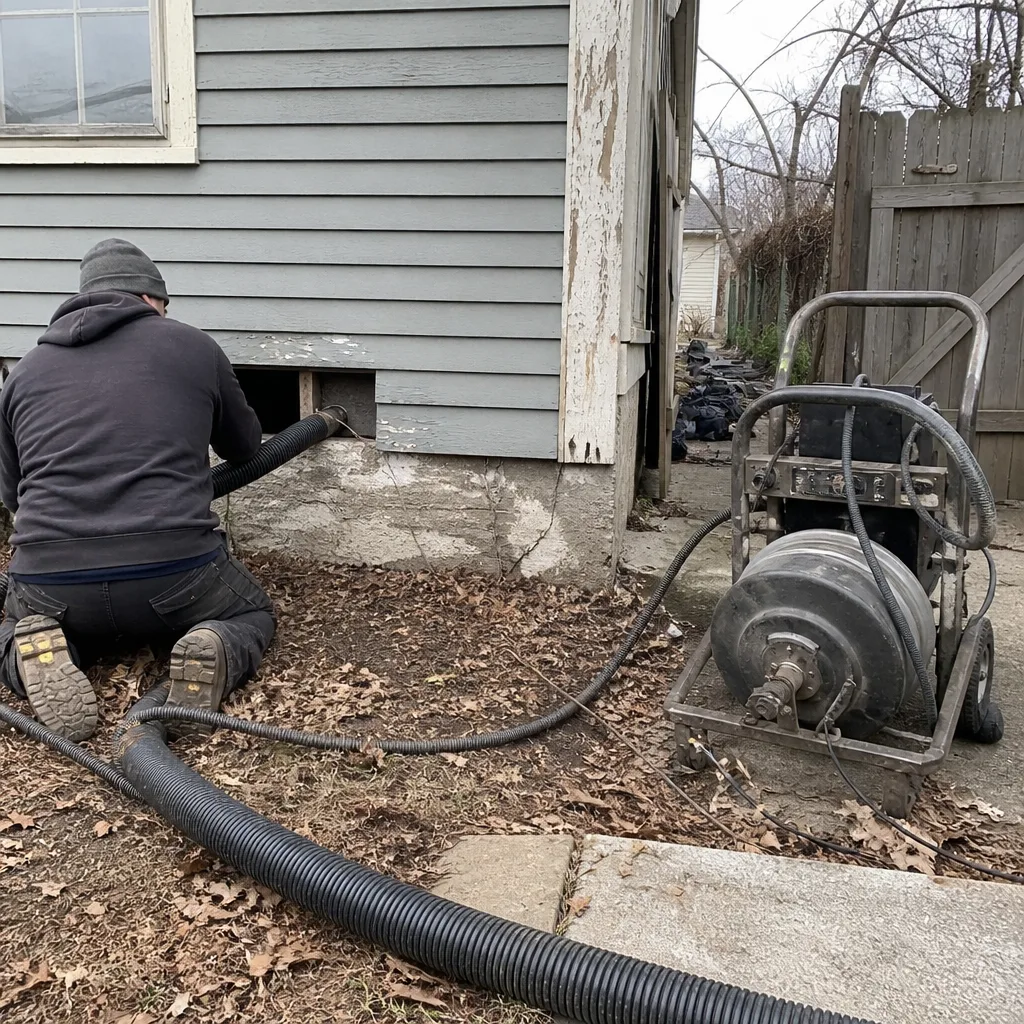 Before
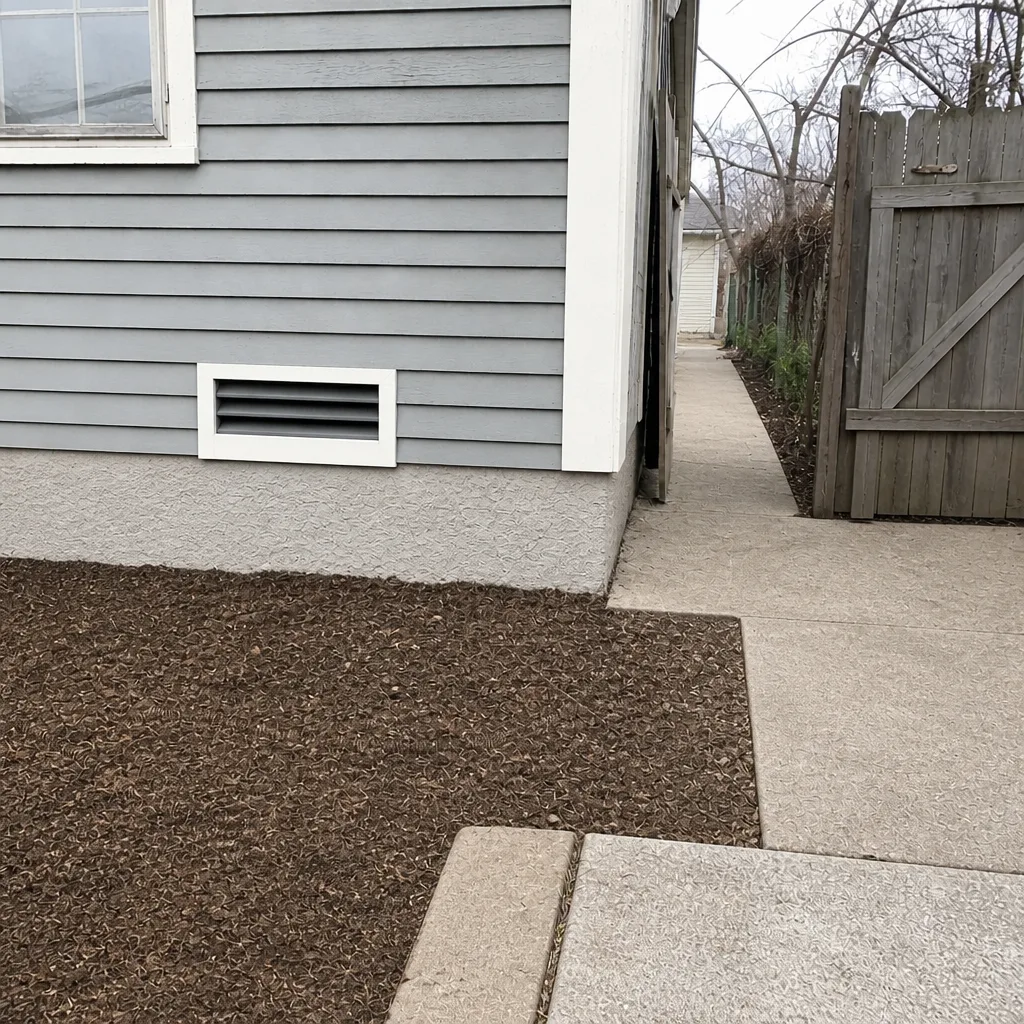 After
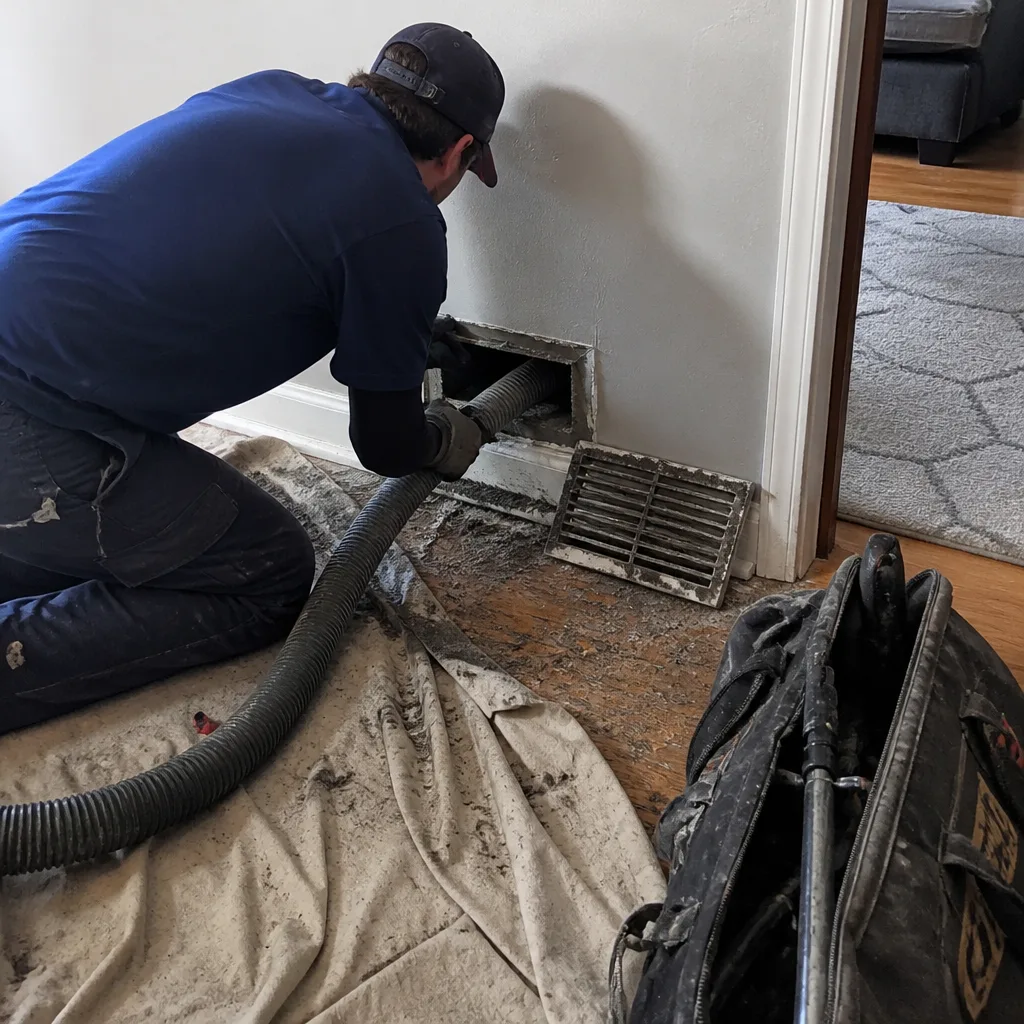 Before
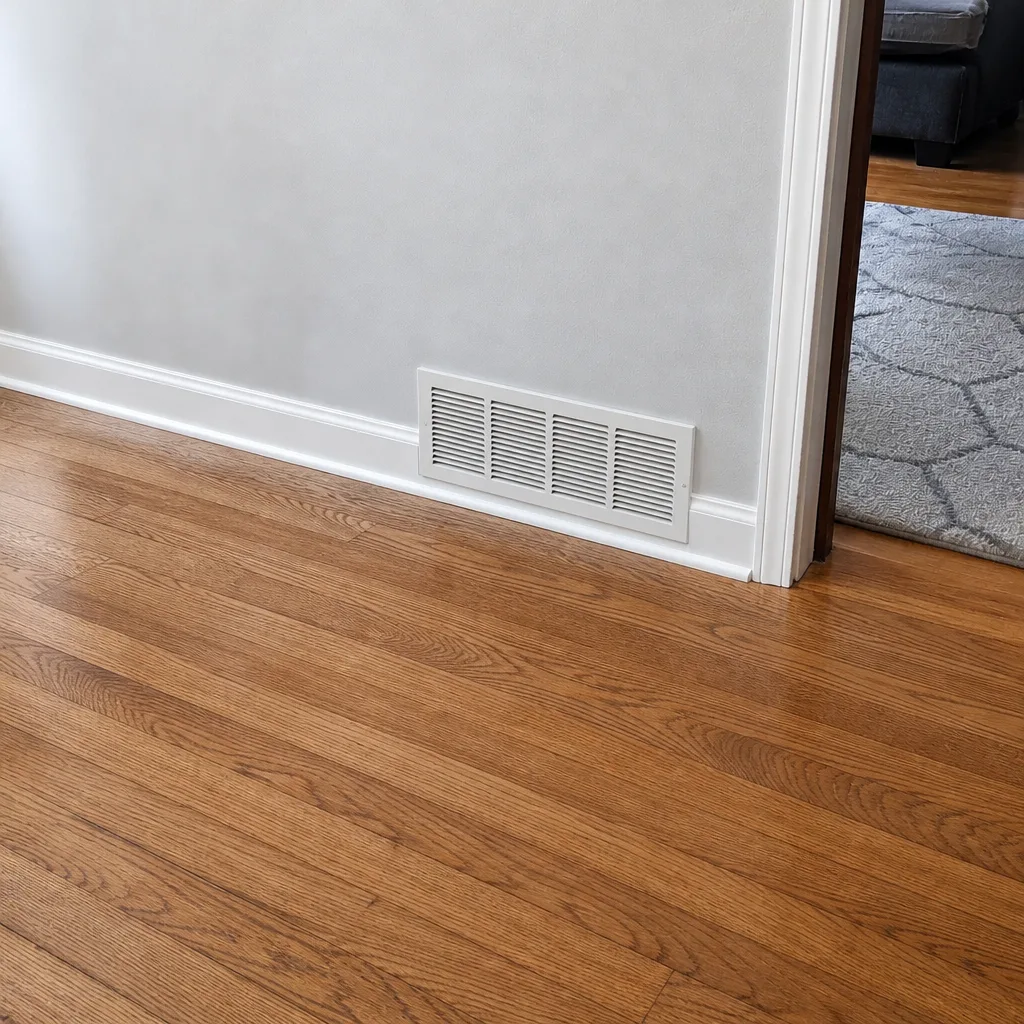 After
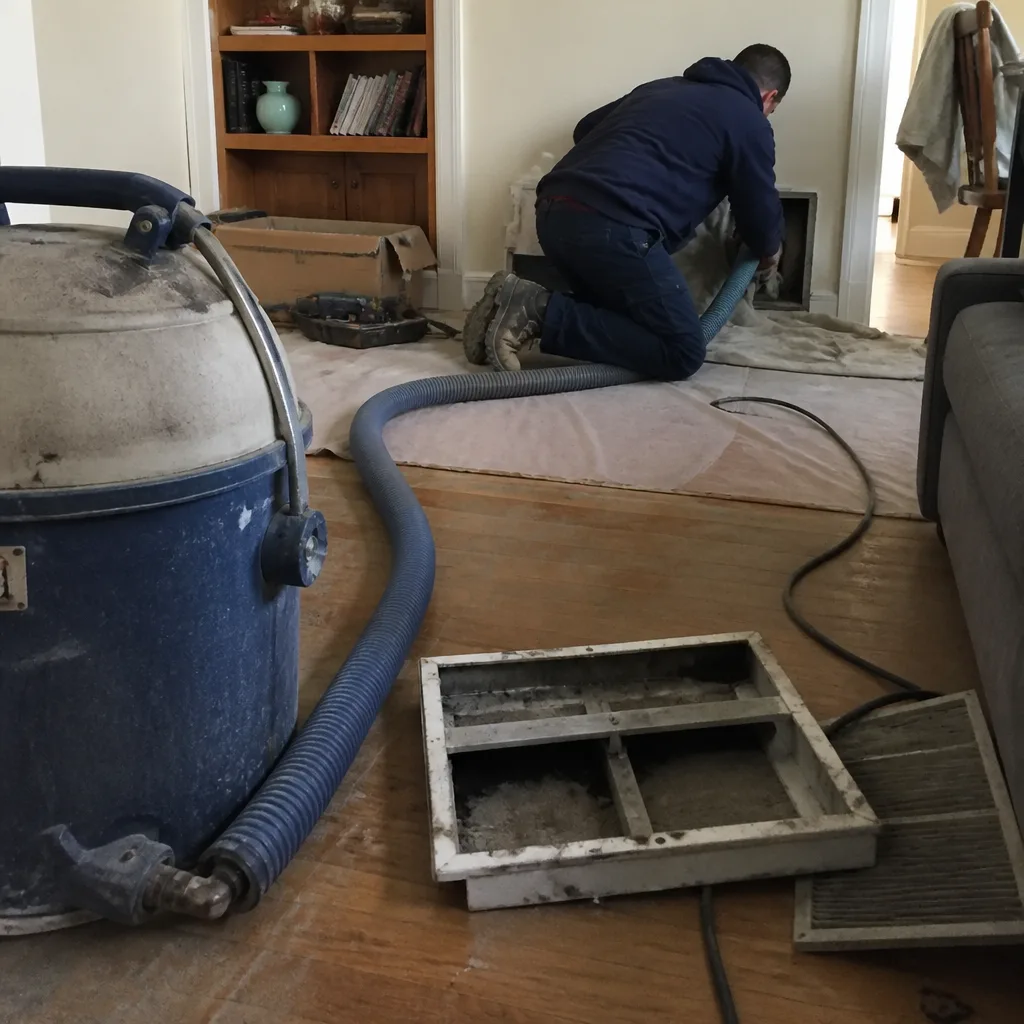 Before
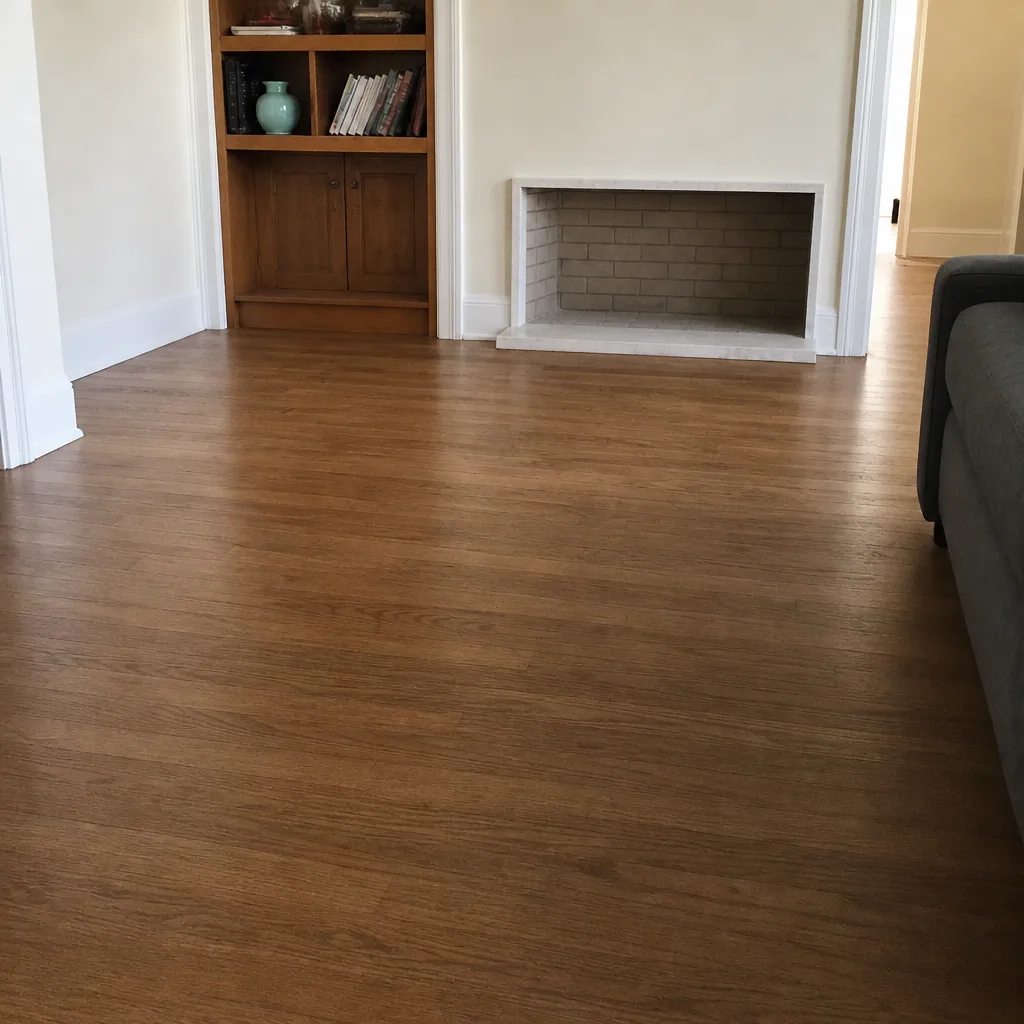 After
When to Call a Professional
Some of this guide is homeowner work: filter changes, grille checks, scheduling. Some of it isn’t. Call a professional when you can see visible dust buildup on the grilles and registers, when there’s a musty smell coming from the vents, when allergy symptoms flare inside the house but ease outdoors, after a renovation that generated fine dust, when you suspect return-side leaks, and for the post-heating inspection on any furnace older than you’re comfortable with. Dryer vent cleaning is also a professional call: lint that has compacted inside the vent line isn’t something to reach for with a vacuum attachment.
Wakefield Air Duct Cleaning offers free estimates in Wakefield. Call (844) 902-2536. We answer 24/7. Fast dispatch from 7am to 7pm, Sunday through Friday. Our technicians have up to 12 years of experience.
Frequently Asked Questions
The best window is the six or so weeks after local pollen peak and before sustained summer humidity sets in. During that window, the pollen load is on the duct walls and ready to be removed, and the humidity hasn’t yet turned that load into a moisture problem. A second optional cleaning in early fall is worth it if the cooling season has been heavy. Call (844) 902-2536 for a free estimate on scheduling.
For most Wakefield homes, a full cleaning once a year in the post-pollen window, plus a pre-winter inspection, keeps the system ahead of the load. Homes with pets, allergy sufferers, recent renovations, or heavy pollen exposure may benefit from twice a year. The honest answer is that the interval depends on what your system is pulling in, which is why an inspection is the starting point. Call (844) 902-2536 and we’ll give you a fair assessment.
We don’t quote prices over the phone because the cost depends on the size of the system, the number of runs and returns, the condition of the ductwork, and whether sealing or repair is needed. What we will tell you is that we set one flat price per system before any work starts, based on a written estimate. No per-vent pricing, no coupon price that changes once the technician is on-site. Call (844) 902-2536 for an exact quote. Estimates are free.
Cheap quotes usually cover less. They may clean only the visible trunk lines and skip the individual runs, ignore the coil and drain pan, skip the return-side leak inspection, or have no ability to seal what they find. That’s the bait-and-switch pattern this industry is known for: a low teaser price that becomes a larger invoice once the technician is on-site. Ask what’s included and whether the price is flat before work begins. Call (844) 902-2536 if you want a straight answer.
Ask for before-and-after photos of your own ducts, not stock images. A professional cleaning also produces a visible result: the debris removed should be evident in the equipment, and the ducts and grilles should look different afterward. If you want a full cleaning and sealing under one roof, which removes the guesswork about what happens next, call (844) 902-2536.
Yes, for most homes. Spring pollen season calls for a higher MERV than winter heating season, and running the same filter year-round ignores what the outdoor air is doing. The catch is that your system has a maximum MERV it can handle without excessive pressure drop, so check that ceiling first. Call (844) 902-2536 if you want help figuring out what your system can take.
The Bottom Line
Seasonal duct care in Wakefield isn’t a once-a-year appointment. It’s a rhythm: book the full cleaning in the post-pollen, pre-humidity window; keep the coil and drain pan dry through summer; run the intake inspection before heating season; check the furnace and venting after it. Match your filter to the season. Seal the leaks the cleaning exposes. Treat dryer vent cleaning as the safety service it is. Do that and the system stays ahead of the load instead of chasing it. The alternative is a home whose air quality is always one season behind. Wakefield Air Duct Cleaning covers the full system, from dryer vent cleaning through cleaning to sealing and sanitizing.
Ready to get on a seasonal schedule? Call (844) 902-2536 for a free estimate. We answer 24/7. Fast dispatch from 7am to 7pm, Sunday through Friday.
Written by the team at Wakefield Air Duct Cleaning.