
Last updated November 22, 2026
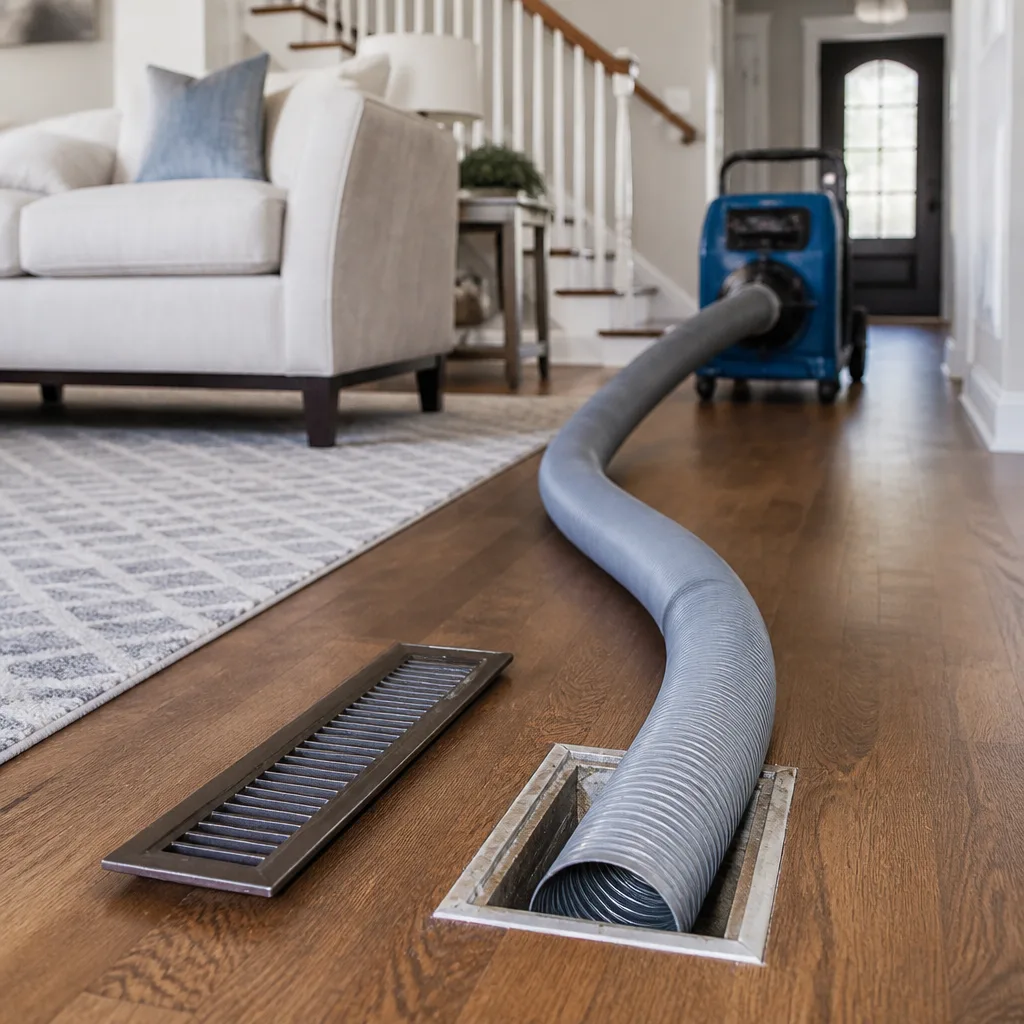 Whole-home duct cleaning
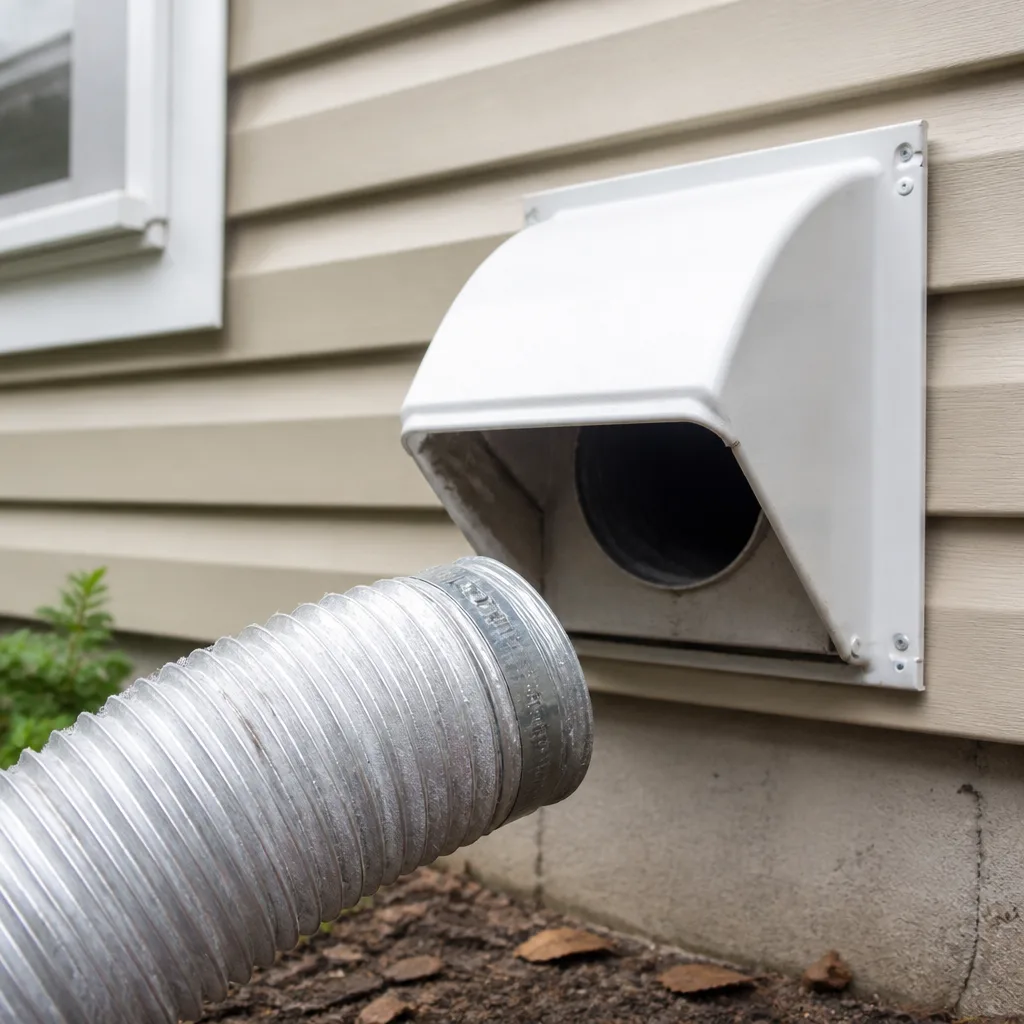 Dryer vent cleaning
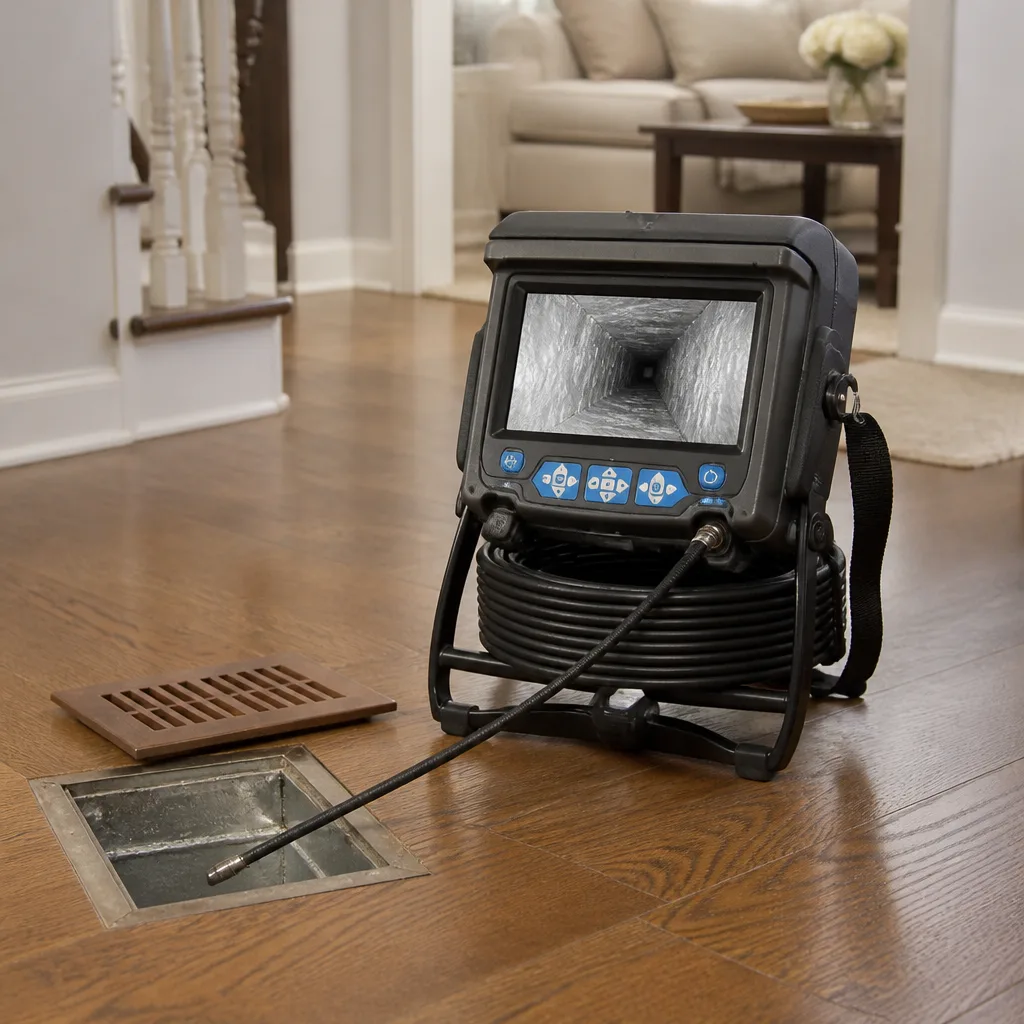 Camera inspection
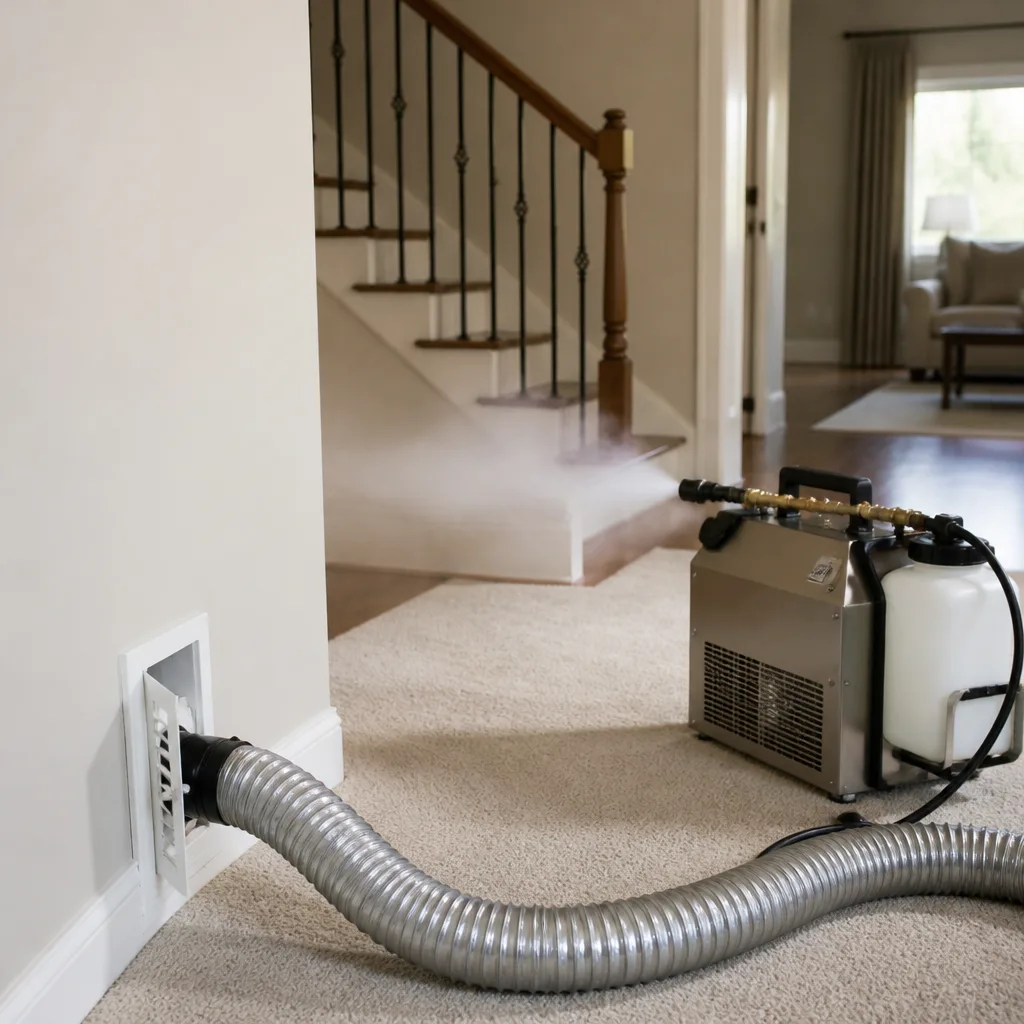 Sanitizing & deodorizing
Whole-system duct and dryer vent check with before-and-after photos - you see exactly what came out of your vents
That "$99 whole-house special" is a bait ad - the real number appears once they are in your hallway, or the "clean" is a shop-vac at the register. We photograph the inside of your ducts before and after instead.
Air Duct Cleaning Maintenance Checklist for Wakefield Homeowners
Most homeowners treat duct cleaning as a finish line. The truck pulls away, the registers look clean, and the system goes back to being invisible until something smells wrong again. That framing is backwards. A professionally cleaned system is a starting point, and what happens in the eighteen months after that visit decides whether you paid for clean air or just a clean-looking vent. We’ve watched homeowners in Wakefield spend good money on a full cleaning and then undo half of it within a year through three habits nobody warned them about. This guide walks through the maintenance checklist that actually holds your air quality where it should be, from filter cadence to humidity thresholds to the visual checkpoints you can do yourself in ten minutes. It’s written for Wakefield homes and Wakefield weather, not a generic template.
Quick Answer
A working air duct maintenance routine for a Wakefield home means three things on a schedule and one thing on a habit loop: change or clean your filter on a realistic cadence for your household, keep indoor humidity in the 30-50% range so microbial growth never gets a foothold, and check accessible duct joints, flex connections, and return pathways every few months for gaps, dust trails, or sagging. The habit part is logging airflow and filter loading so you know when professional service is genuinely due instead of guessing at a calendar. Do all four and a cleaned system stays clean far longer. Skip them and you’ll be paying for the same cleaning again sooner than you’d like.
Styles & brands we work with
- Whole-home duct cleaning
- Dryer vent cleaning
- Camera inspection
- Sanitizing & deodorizing
Table of Contents
- Why Maintenance Between Cleanings Matters More Than the Cleaning Itself
- Filter Selection and Replacement Cadence for Wakefield’s Air
- Register and Grille Cleaning Done Right
- Humidity Control Thresholds That Stop Regrowth
- Visual Inspection Checkpoints You Can Do Yourself
- Logging System Performance So You Know When Service Is Due
- What Professional Service Actually Involves
- A Seasonal Maintenance Calendar for Wakefield
Why Maintenance Between Cleanings Matters More Than the Cleaning Itself
A duct system is a closed loop that pulls air from your rooms, conditions it, and pushes it back. Every hour your HVAC runs, that loop passes the same air through the same duct walls hundreds of times. Cleaning resets the loop to zero. Maintenance is what keeps it there. We’ve seen fully cleaned systems in Wakefield come back to a heavy debris load faster than the homeowner expected, and in almost every case the cause was one of three things: a filter running well past its loading point, a return pathway pulling in dust from an unconditioned space, or humidity sitting high enough that dust became a growth medium rather than just dust.
The reason this matters is that duct contamination isn’t a one-time event you fix. It’s a rate. Debris accumulates at a speed set by your filter, your home’s envelope, your habits, and your climate. Change any of those and you change how fast the system soils. That’s why a maintenance checklist beats a calendar interval every time. A household with two pets, a wood shop in the garage, and windows open all spring will soil a system far faster than a retired couple with a tight house and a good filter. Same neighborhood, different rates.
This is also why we treat duct integrity as part of maintenance rather than a separate problem. A small gap at a flex duct connection doesn’t just leak air. It pulls unfiltered air from a crawlspace or wall cavity directly into your supply stream, and that air carries whatever the cavity carries. Left alone, that leak keeps contaminating a clean system from the inside. That’s the case for air duct cleaning paired with a real inspection of the connections, not just a vacuum pass through the trunk.
- Cleaning resets the system to a clean baseline.
- Filtering controls how fast it soils from the air side.
- Sealing controls how fast it soils from leaks and bypass air.
- Humidity control decides whether dust stays dust or becomes a growth problem.
- Logging tells you when the next professional visit is actually due.
Filter Selection and Replacement Cadence for Wakefield’s Air
Filter cadence is the single highest-leverage maintenance habit, and it’s the one most homeowners get wrong in both directions. A filter that’s too restrictive chokes airflow and makes your blower work harder. A filter that’s too loose passes debris straight into the coil and duct walls. The right answer for most Wakefield homes is a mid-grade pleated filter changed on a schedule tied to loading, not to the calendar on the packaging.
Wakefield sits close enough to the denser parts of the region that its air carries a real load of fine particulate, and spring pollen season hits hard and relatively early. If you run windows open through pollen season, your filter loads faster than the packaging suggests. If you have pets, add more. If you’ve just done a renovation, change the filter when the work is done and again a few weeks later once the fine dust settles.
Here’s how we’d set a realistic cadence for a Wakefield household:
- Baseline: Check the filter at 30 days. Hold it up to light. If you can’t see daylight through it evenly, it’s loaded.
- Standard homes, no pets: Change every 60 to 90 days, sooner during pollen season.
- Pets or allergy sufferers in the house: Change every 30 to 45 days through spring and summer.
- Post-renovation: Change at completion, then again at 30 days and 60 days to catch settling dust.
- Filter type: A pleated filter in the MERV 8 to MERV 11 range handles most homes well without over-restricting airflow. Higher-MERV filters can be the right call, but check that your blower can handle the added resistance.
If you want to close the gap between duct maintenance and long-term filtration, that’s where recognized product lines like Honeywell and Aprilaire media cabinets and air cleaners come in. They hold more surface area than a standard slot filter, so they load slower and you change them less often. The tradeoff is a higher upfront cost and a proper install. For a household that’s tired of changing a filter every month, it’s worth pricing out.
Register and Grille Cleaning Done Right
Registers and grilles are the most visible part of your duct system, which is exactly why they get cleaned wrong. The common mistake is wiping a dusty register with a cloth or hitting it with a vacuum nozzle while the system is running. That pushes surface dust and whatever’s clinging to the fins back into the duct trunk and down the branch line, where it joins the load you already paid to remove. The right technique removes buildup without redistributing it.
Here’s the sequence we recommend between professional visits:
- Turn the system off. This is the step people skip. With the fan off, you’re not fighting airflow pushing dust back at you.
- Work from the register inward. Remove the grille or cover if it’s removable, and wipe the face and the inside of the frame first, before touching the duct.
- Use a damp cloth, not a dry one. A lightly damp microfiber cloth traps dust instead of lofting it. A dry rag or a vacuum brush without a HEPA-rated filter can send fine particulate airborne.
- Use a soft brush on the fin side, not a hard tool. Bent fins restrict airflow, and a bent fin near the register affects the balance of the whole branch.
- Wipe the wall or ceiling immediately around the register. Dust rings around a grille are a sign of a poor seal between the grille and the wall, and that’s worth knowing about.
- Reinstall and check the seal. A grille that sits loose pulls room air past the edge and deposits dust there. If it doesn’t sit flush, that’s a small fix worth doing.
Do this for every register in the house, supply and return. Return grilles usually hide more buildup because they carry the dustiest air in the system. In Wakefield homes with older plaster and lath, we often see a line of fine dust where wall meets ceiling around a register, which usually points to a gap behind the grille rather than a cleaning problem. If you find that, note it and raise it during your next inspection.
Have a register that’s stained or a grille that won’t seat flush? That’s the kind of small integrity issue that a proper HVAC cleaning inspection catches before it becomes a bigger bypass leak.
Humidity Control Thresholds That Stop Regrowth
Indoor relative humidity is the variable most Wakefield homeowners never track, and it’s the one that decides whether a clean duct system stays clean. Dust is inert. Dust plus high humidity is a growth medium. We keep the target simple: aim for 30-50% indoor relative humidity year-round. Above 55% and you’re giving mold and microbial growth a real opportunity. Below 30% and the air feels dry and static, which is its own set of problems, but it’s not a duct-contamination problem.
New York’s seasonal swings make this harder than it sounds. Summer humidity pushes naturally high, and a cooling system running correctly should pull a lot of that moisture out of the air as it conditions. If your indoor humidity stays high while the AC is running, that’s often a sign of a system that’s oversized, short-cycling, or has a coil issue rather than a duct problem. Winter runs the other way: cold, dry outside air, and a heated house that dries out. That’s not a regrowth risk, but it does mean indoor humidity readings in winter tell you very little about summer conditions.
How to keep humidity in range:
- Measure it. A simple indoor humidity gauge costs little and tells you more about your duct environment than any other single number. Put it in a central living area, not a bathroom.
- Watch the shoulder seasons. Spring and fall, when the HVAC runs less, are when humidity drifts out of range unnoticed.
- Address obvious moisture sources. A damp basement, a bath fan that vents into the attic instead of outside, or a dryer vent that’s partially clogged all raise indoor humidity. That last one is also a fire-safety issue, which is why dryer vent cleaning belongs on the maintenance list, not the afterthought list.
- Run bath and kitchen fans to the end of the job. Twenty minutes after the shower, not two.
- If humidity is persistently high, get the cause diagnosed. Don’t just add a dehumidifier and hope. The underlying issue is usually airflow, drainage, or envelope.
The link to duct maintenance is direct. A system kept in the 30-50% range between cleanings stays visually and microbiologically cleaner for far longer than one that swings above 55% through the summer. If you’re seeing a musty smell that returns within weeks of a professional cleaning, humidity is the first thing we’d check.
Visual Inspection Checkpoints You Can Do Yourself
You don’t need to open duct runs to do a useful inspection. What you can see at the accessible points tells you a lot about the health of the system, and doing it every few months builds a picture of normal that makes changes obvious. Here are the checkpoints worth walking, and what a problem looks like at each one.
- Accessible joints and seams: Look for dust trails streaking from a seam. A dust trail on the outside of a joint means air is escaping there, and air escaping a supply duct carries dust with it. A joint that was clean six months ago and is now streaked is a sign worth acting on.
- Flex duct connections: Flex duct is the most common failure point in residential systems. Check that the inner liner is fully seated over the collar and the outer jacket is intact. Look for a sagging run, a sharp bend, or a connection where the inner liner has pulled back from the collar. A pulled-back liner means unfiltered air bypasses the filter entirely.
- Return air pathways: Follow the return from the grille back toward the air handler. Any gap between a return duct and a wall cavity or crawlspace means the system is pulling air from wherever that gap leads, and that air is unfiltered. This is one of the most common causes of a system that soils faster than expected.
- Around the air handler: Look for dust on the cabinet, a filter slot that doesn’t seal, and any gap where ducting meets the unit. That seal matters as much as any joint in the house.
- Visible duct interior at registers: With the grille off and the system off, look into the branch. You won’t see far, but light surface dust is normal and a thick, clinging, fibrous or dark coating is not.
- Condensate area and coil access: Look for standing water, rust, or biological growth near the drain pan. Anything visible there means moisture is present where it shouldn’t be.
None of this requires tools or risk. It’s a walk-around, a flashlight, and a phone camera to log what you find. What we’d avoid is removing insulation, cutting into ducting, or opening the air handler cabinet to look further. That’s where an untrained hand can create a leak or disturb a component. Leave that to the professionals.
If any checkpoint turns up something worth fixing, that’s the case for our Wakefield Air Duct Cleaning team, because duct repair and sealing are part of the same visit as the cleaning. That matters. A gap that turns up mid-cleaning gets addressed in the same visit rather than leaving you to hunt for a second contractor. Duct integrity work is core to what we do, not subcontracted out.
Logging System Performance So You Know When Service Is Due
The single biggest mistake in duct maintenance is guessing at a calendar interval. “Every two years” is a number, not an answer. The right answer comes from your system’s own behavior, and if you log a few simple indicators you’ll know when a professional visit is genuinely due rather than paying for one that isn’t or skipping one that is. This is the practice that separates a homeowner who manages their system from one who reacts to problems.
Here’s what’s worth logging. Keep a notes file on your phone or a sheet on the fridge. Nothing about this needs to be fancy.
- Filter change dates and loading rate. Note the date of each change and how loaded the filter looked on a simple three-point scale: light, moderate, heavy. If you’re consistently swapping a “heavy” filter at 60 days, your home’s loading rate is high and your service interval shortens accordingly.
- Airflow at each register. Once a month, hold your hand at each supply register with the system running. You’ll quickly learn what “normal” feels like for each room. A register that’s weaker than it used to be usually means a partial blockage, a duct problem, or a filter loading issue rather than a mysterious HVAC failure.
- Room-to-room temperature balance. Note which rooms run hotter or cooler in summer and winter. A shift in the balance points to an airflow or duct integrity issue, and a persistent imbalance is worth raising at the next inspection.
- Visible dust return time. Note how long after a dusting your surfaces get visibly dusty again. This is a rough but honest measure of dust in circulation. A shortening timeline means the system is soiling faster.
- Odor observations. Any musty, stale, or “closed-up” smell when you first run the system is worth noting with a date. Recurring odor after a cleaning points to a moisture or growth issue that needs a closer look.
- Every inspection finding. A dust trail at a joint, a sagging flex run, a grille that won’t seal. Log it with a date. A finding that’s been stable for a year is different from one that’s worsened.
After a few months you’ll have a real profile of your system, and the question “when should I clean again?” gets much easier to answer. A heavy loading rate plus a shortening dust-return timeline plus a return leak you noted is a strong case for service sooner. A light loading rate and stable readings mean you can wait. Logging converts duct maintenance from a guess into a schedule you can defend.
What Professional Service Actually Involves
Understanding what a proper cleaning involves is the best defense against a service that leaves you with a clean-looking vent and a dirty duct system. The difference between a professional-grade clean and a superficial one usually comes down to equipment and method, and it’s worth knowing what to look for when you’re deciding who to call.
A genuine professional cleaning of a residential system uses a contact-cleaning tool inside the duct walls to dislodge built-up debris that a vacuum will never pull free by itself alone. Rotary brush systems like Rotobrush are the benchmark for that contact-cleaning step, because they agitate the walls of the duct rather than skimming the surface. On the extraction side, a negative-air setup with HEPA filtration, like the Nikro and Abatement Technologies equipment classes we work with, keeps the debris contained instead of redistributing it into your home. Portable shop vacuums don’t come close to that standard, and the difference in outcome is real.
Here’s what a full visit should include, and what we’d ask about before booking anyone:
- Contact cleaning of the full duct runs. Supply and return, not just the trunk.
- Agitation of the coil and air handler. The coil is where most of the biological growth and moisture-related debris lives. A duct clean that skips the coil leaves the source in place.
- Negative-air HEPA containment during the entire job. Your air should be cleaner when they arrive than when they leave, and containment is how that’s achieved.
- An inspection of accessible duct integrity. Joints, flex connections, and seals. Findings should be reported to you with a recommendation.
- Before-and-after photos of your own system. Not stock photos of a clean duct. Yours.
- Sanitizing and surface treatment where warranted. Named products like the Guardsman line are recognizable and their purpose is clear. A mystery chemical spray is a red flag.
- A written price agreed before work begins. One flat price per system, not a per-vent price that balloons on site.
That last point is the one we’d emphasize most. Duct cleaning has a reputation problem with coupon pricing that becomes a much larger invoice once the technician is in the house. A credible provider gives you a written, all-in price for the whole system before touching a tool. If the quote is per vent, or the price depends on what they “find,” treat it with caution.
A Seasonal Maintenance Calendar for Wakefield
You can run this whole checklist as one big annual reset, or you can spread it across the year in a rhythm that fits a Wakefield climate. We recommend the rhythm. It keeps the load on any one season light and it front-loads the points in the year where contamination builds fastest.
- Early spring: Change the filter. Walk the inspection checkpoints. Check that humidity control is set correctly before cooling season starts. Inspect the dryer vent, since a winter of heavy laundry loads leaves lint buildup at its peak.
- Late spring and early summer: Pollen season is when the filter loads fastest. Check the filter at 30 days and note the load level. Confirm humidity is running 30-50% with the AC on before the heavy summer heat.
- Midsummer: Watch humidity closely. Check register airflow room by room. Note temperature balance. This is the season when a system with a return leak soils visibly fastest.
- Early fall: Change the filter one last time before heating season. Walk the checkpoints. Review your log book and decide whether a professional visit is due based on the indicators you’ve tracked.
- Winter: Keep the filter changing on schedule. Note odors when the heat first fires up each morning, since the first run of the day is when duct contamination announces itself most clearly.
- Post-anything: After a renovation, a pet adoption, a new member of the household, or a move-in, reset the whole routine. Loading rates shift when the household changes.
The point of the calendar isn’t to add chores. It’s to spread the checklist across the year so each step is small, and to match your system’s maintenance rhythm to the seasons that actually push it hardest. Wakefield homes follow this pattern well because the local year has clear spring, summer, and winter phases with distinct demands on the HVAC system.
Common Mistakes to Avoid
- Vacuuming a register with the system running. You push surface debris back into the trunk where it rejoins the load. Turn the fan off before you clean a grille, every time.
- Running a filter well past its loading point to “save money.” A loaded filter restricts airflow, strains the blower, and passes nothing. You don’t save by running it longer, you just move the cost to the motor.
- Using a high-MERV filter without checking blower capacity. A restrictive filter on a blower that can’t handle it does more damage than a mid-grade filter changed on time. Match the filter to the system, not to the highest number on the shelf.
- Ignoring the return-side leaks. Most homeowners look at supply registers and never follow the return path. A gap between a return and a wall cavity pulls unfiltered air into the whole system, and it’s the most common reason a freshly cleaned system soils fast.
- Skipping the dryer vent because “the laundry still dries.” A dryer that still dries can still have a heavily loaded vent. Lint buildup is a fire hazard regardless of whether the drum gets hot enough to finish a load.
- Guessing at a fixed cleaning interval. “Every two years” ignores the variables that actually drive soiling in your home. Log the indicators and let your own system tell you when service is due.
- Optioning out of the coil cleaning to save a few dollars. The coil is where most biological growth and moisture-related debris lives. A duct clean that skips the coil leaves the source of the contamination in the system.
See the difference
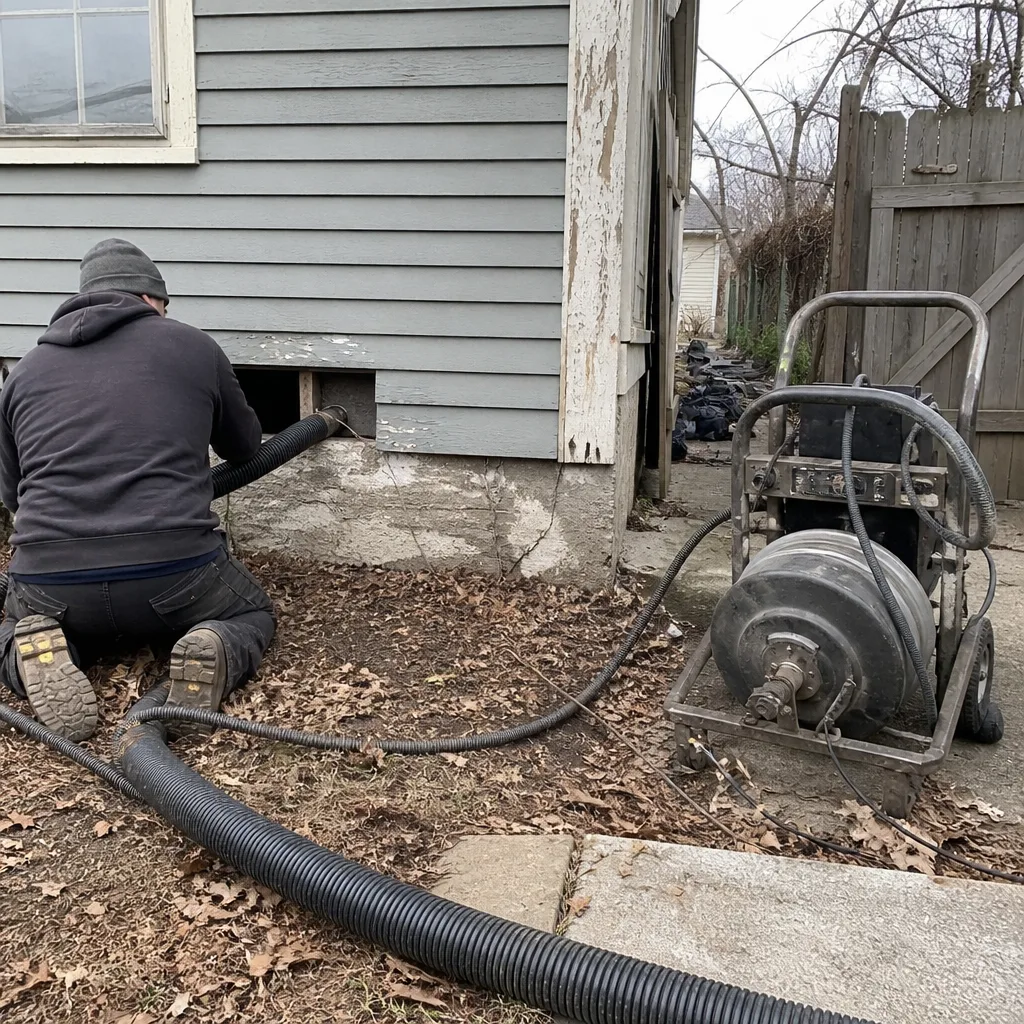 Before
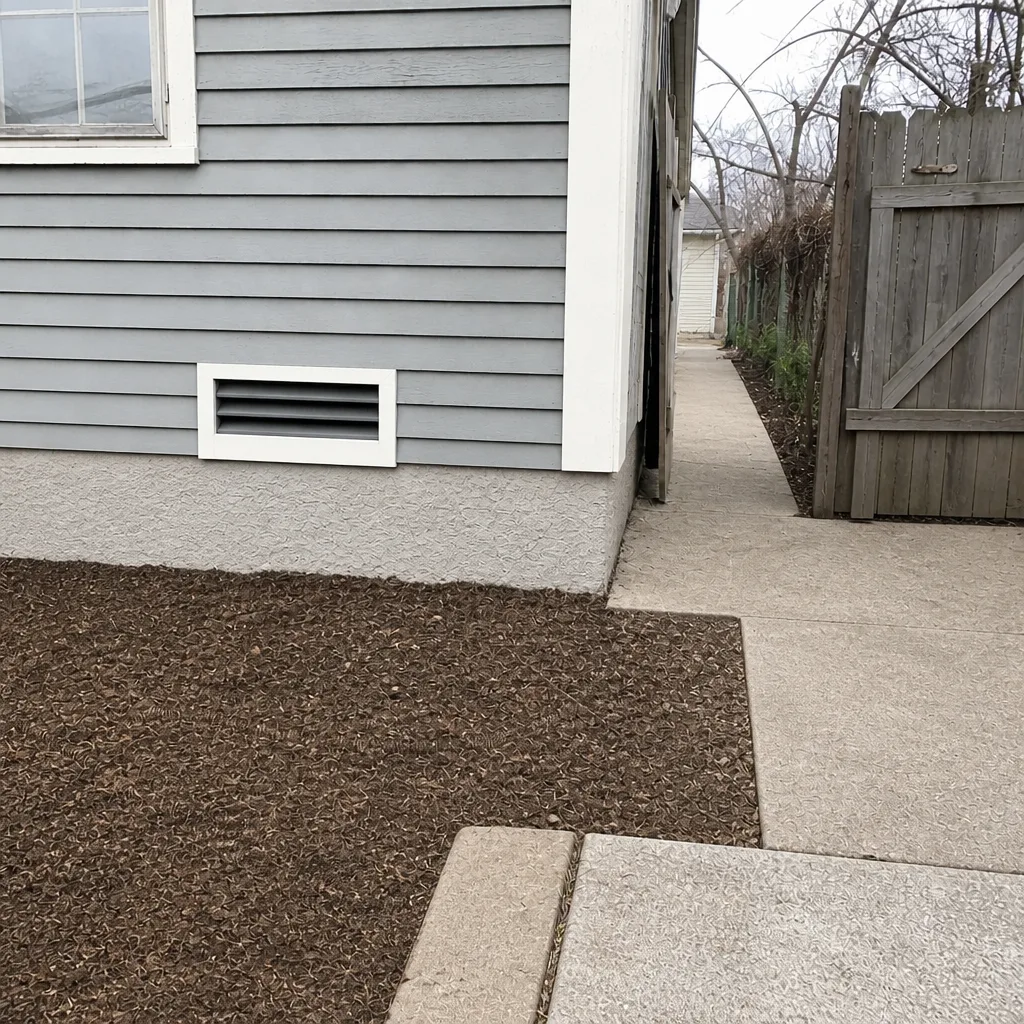 After
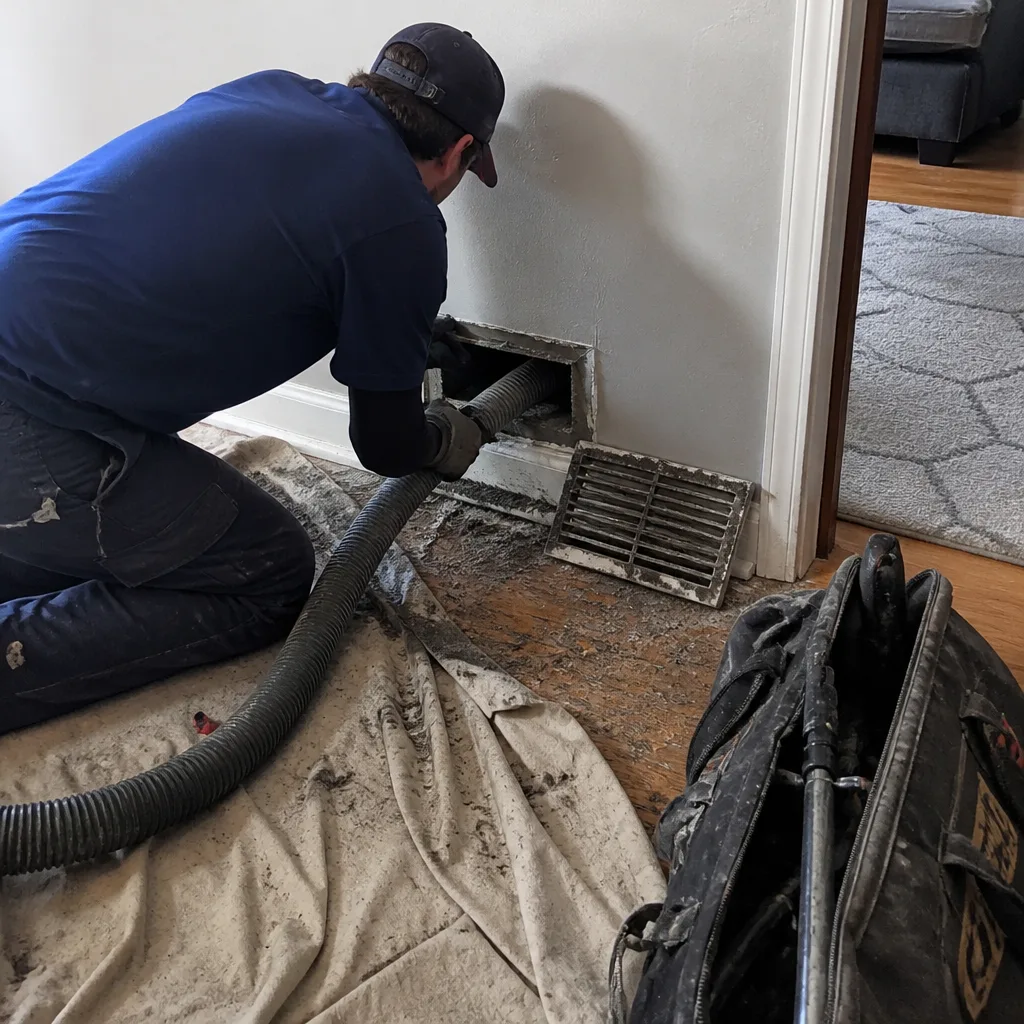 Before
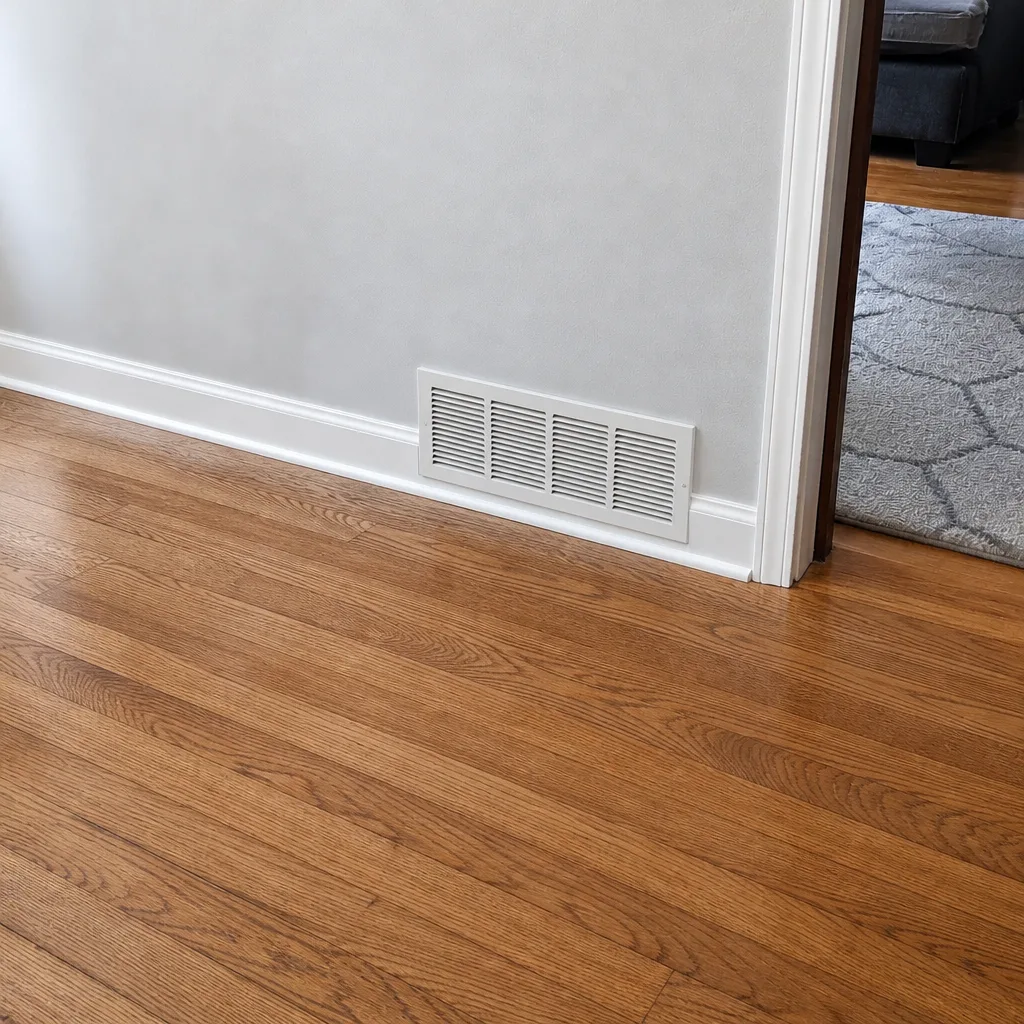 After
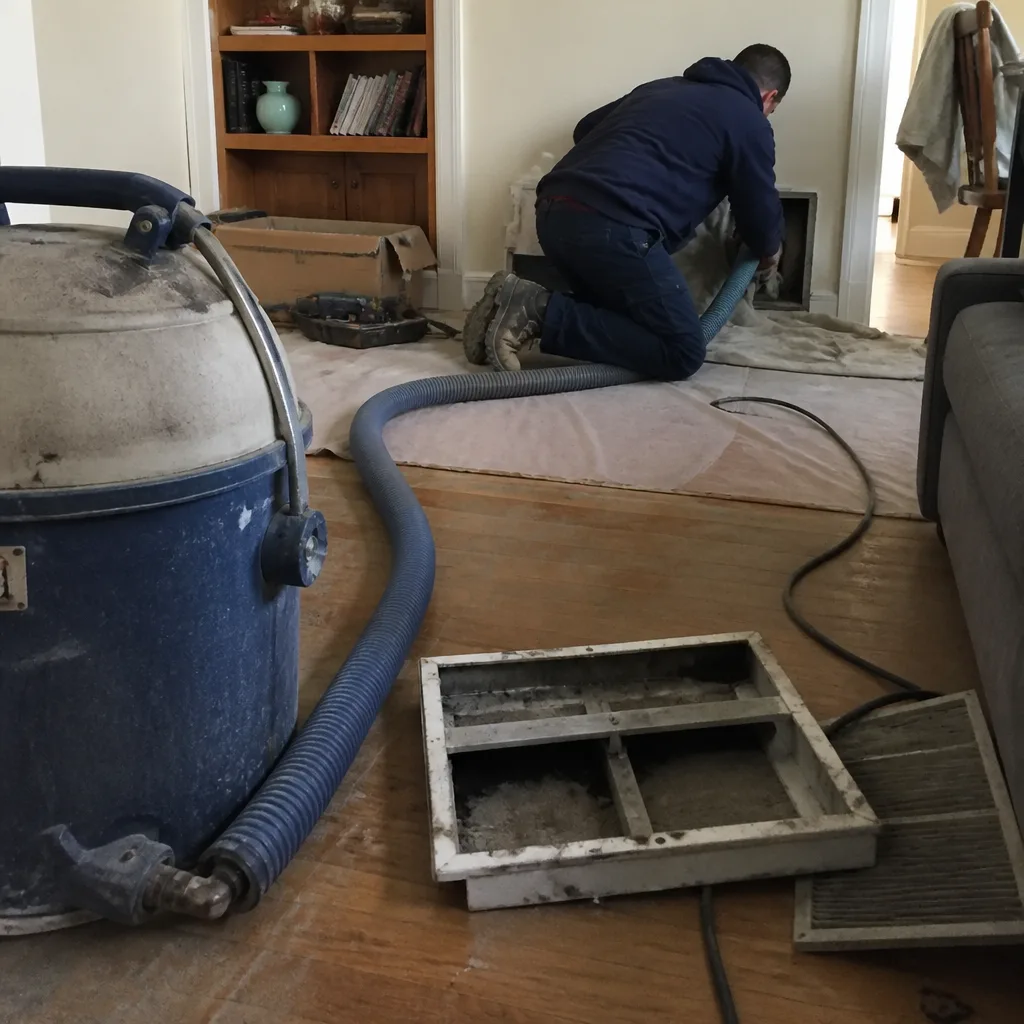 Before
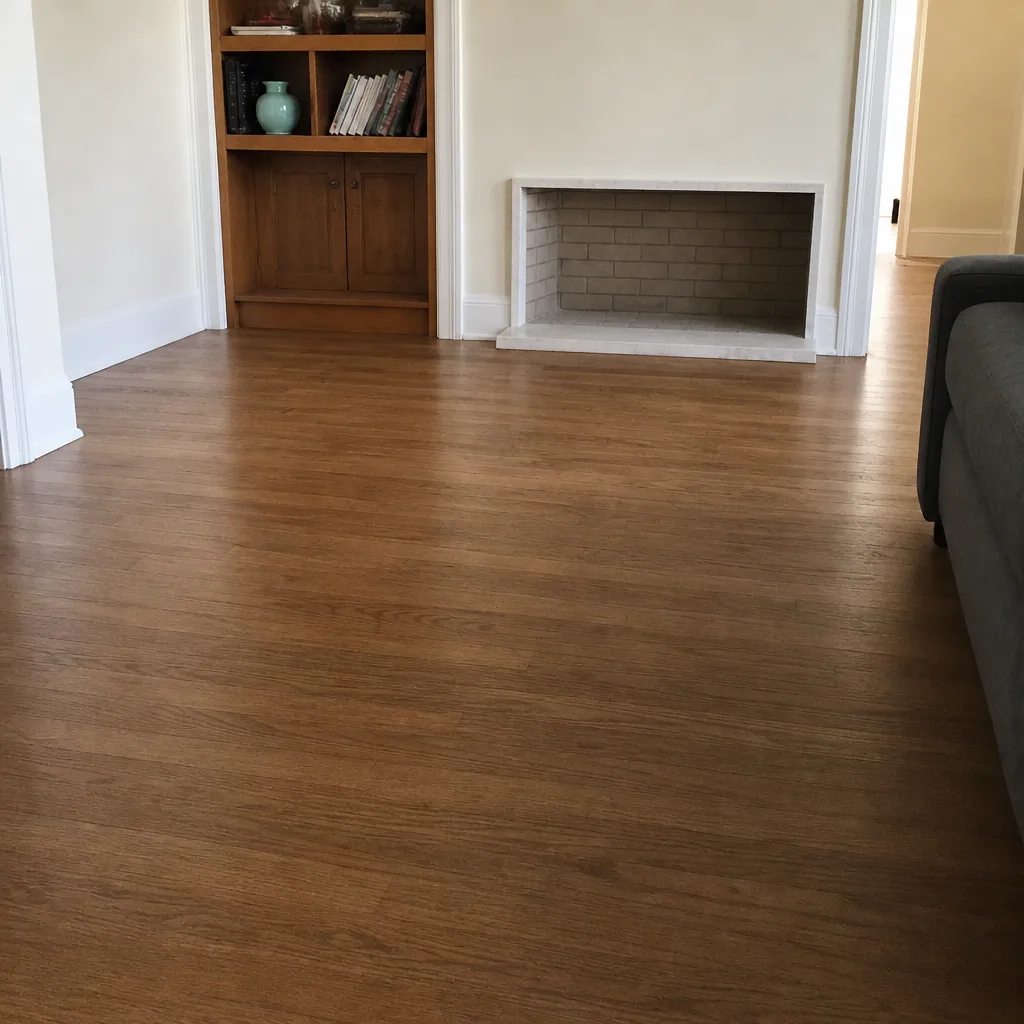 After
When to Call a Professional
Some things belong on your checklist. Some things belong to us. Call a professional when a visual check turns up a dust trail at an accessible joint that wasn’t there a few months ago, when a flex duct connection has pulled apart, when a musty or stale odor returns within weeks of the system running after a cleaning, or when your logged filter loading rate and dust-return timeline both shorten together. Also call if a member of the household has a persistent allergy or asthma flare-up that tracks with the HVAC season, if you’ve just finished a major renovation, or if you’ve moved into a home and don’t know when the system was last cleaned. Wakefield Air Duct Cleaning offers free estimates in Wakefield. Call (844) 902-2536. We answer 24/7. Fast dispatch from 7am to 7pm, Sunday through Friday.
Frequently Asked Questions
Most Wakefield homes land somewhere in a two-to-four-year window, but that’s a range, not a rule. Your own loading rate drives the timing: a household with pets, a recent renovation, or a consistently high filter load will need service sooner, while a tight home with a good filter and stable readings can stretch longer. Log the indicators in this guide and let them decide rather than the calendar.
You can slow soiling considerably, but you can’t reset the system. Filter changes, register cleaning, humidity control, and visual inspections all reduce the rate of accumulation. What they can’t do is remove debris that has already adhered to the duct walls, and that’s where a professional contact-cleaning pass comes in. Maintenance buys you time between professional visits; it doesn’t replace them.
Filter management, without question. Changing the filter on a cadence tied to actual loading decides how much debris ever reaches the duct walls in the first place. If you only do one thing between cleanings, do this one. If you can add a humidity gauge and a monthly register check, you’re already ahead of most households.
Because the source wasn’t removed, or moisture is still feeding it. A cleaning that skips the coil leaves biological growth in place. A cleaning that leaves a return leak pulls humid, unfiltered air back into the system. And a home running above 55% relative humidity gives any remaining growth the conditions to return in weeks. If a musty smell comes back quickly, get an inspection of the coil, duct integrity, and humidity before scheduling another cleaning.
It’s a separate service but it belongs on the same maintenance list. A clogged dryer vent is a fire-safety hazard, independent of anything happening in your HVAC ducts, and lint buildup peaks after a winter of heavy laundry. Check it as part of your spring walk-through and schedule cleaning if it’s been a long time or you notice drying times getting longer.
Ask three questions. What equipment is used for contact cleaning inside the ducts? Is debris contained with negative-air HEPA filtration during the job? And is the price one flat number for the whole system agreed in writing before work starts? A provider who can answer all three clearly, and who includes the coil and reports on duct integrity, is the kind of provider you want.
The Bottom Line
A clean duct system doesn’t stay clean on its own. The maintenance checklist that keeps it there comes down to filter discipline, humidity control, register cleaning done with the system off, visual inspections of joints and return pathways, and a simple log that tells you when the next professional visit is genuinely due. Each item is small. Together they determine how much of your cleaning investment you actually keep. Do them well and your air stays cleaner longer, your system runs more efficiently, and you stop guessing at calendar intervals. Skip them and a fresh cleaning quietly becomes a fresh cleaning bill sooner than you’d planned. That’s the difference between managing your system and reacting to it.
If any part of this checklist turns up something you’d rather not tackle alone, or if it’s just time for the full professional pass, we’re glad to talk it through. Call (844) 902-2536 for a free estimate. We answer 24/7. Fast dispatch from 7am to 7pm, Sunday through Friday.
Written by the team at Wakefield Air Duct Cleaning.