
Last updated November 22, 2026
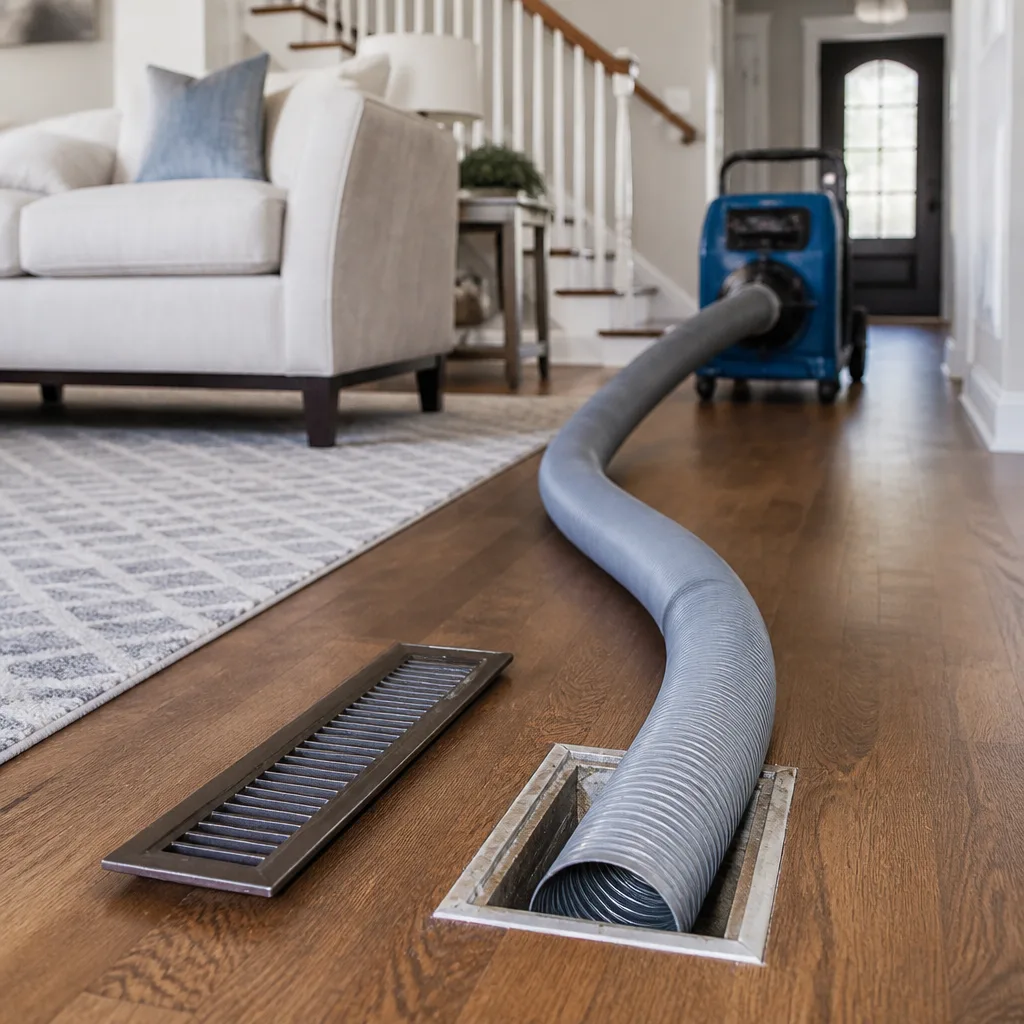 Whole-home duct cleaning
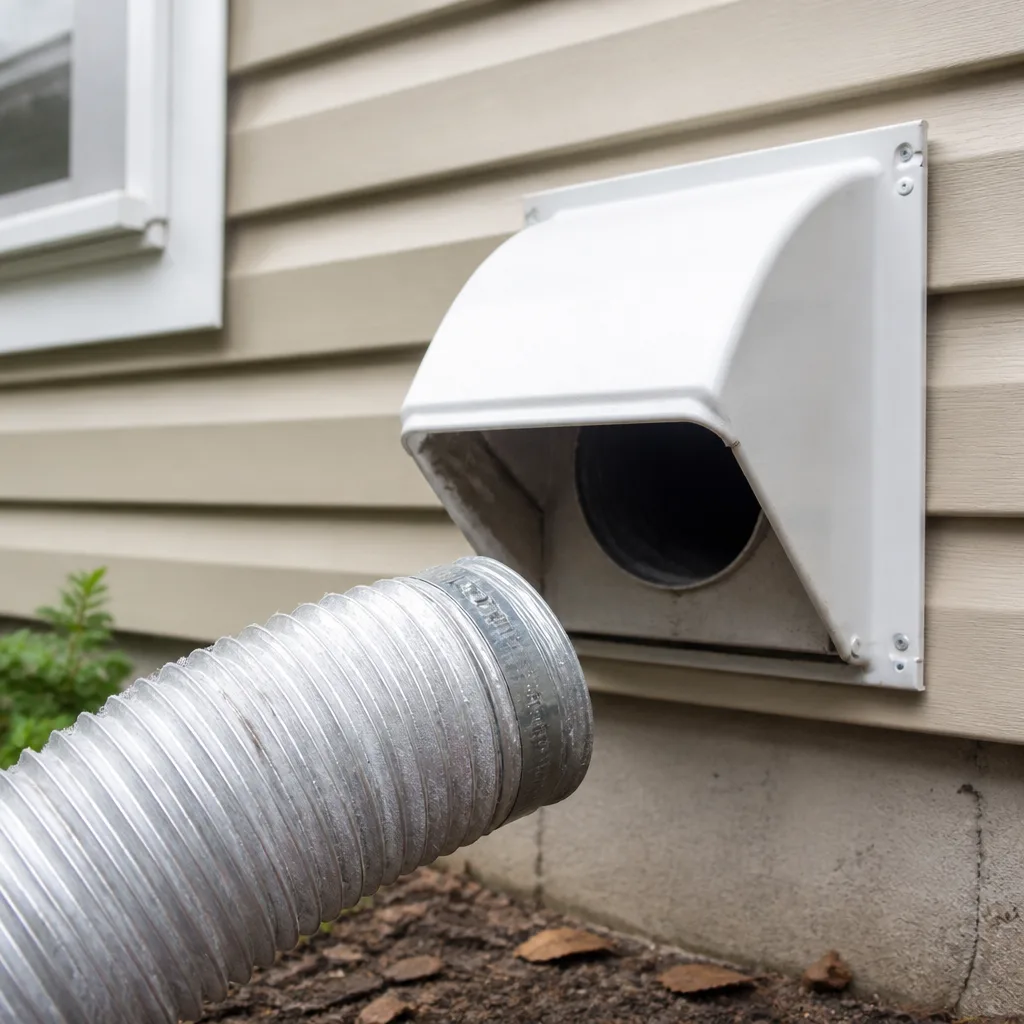 Dryer vent cleaning
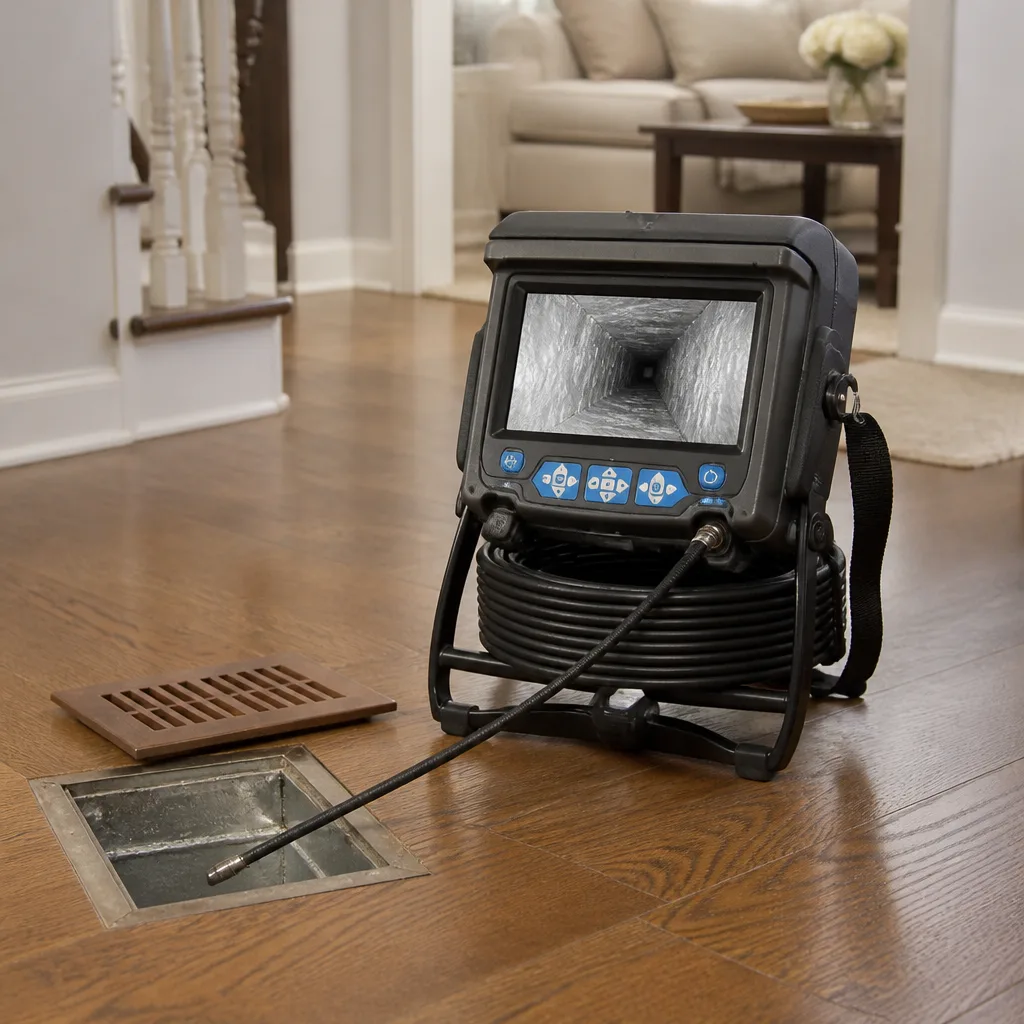 Camera inspection
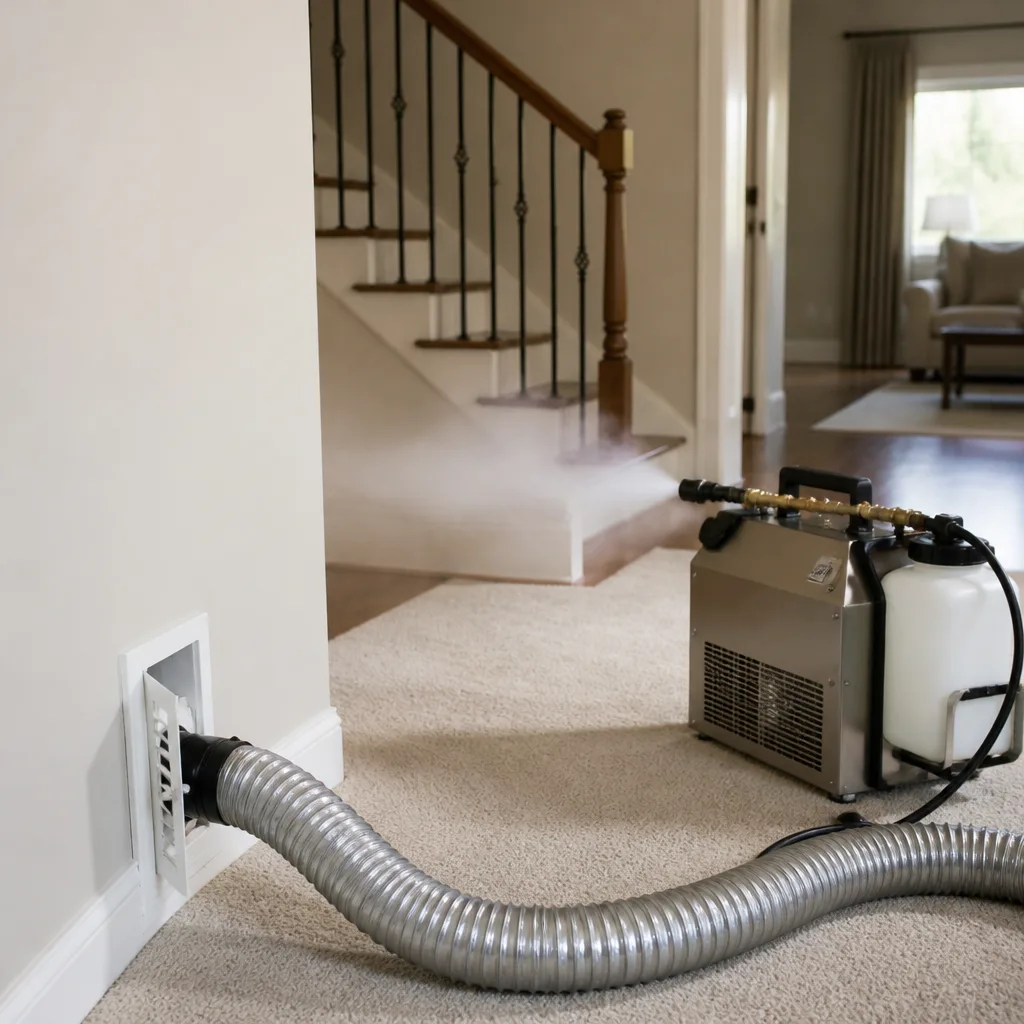 Sanitizing & deodorizing
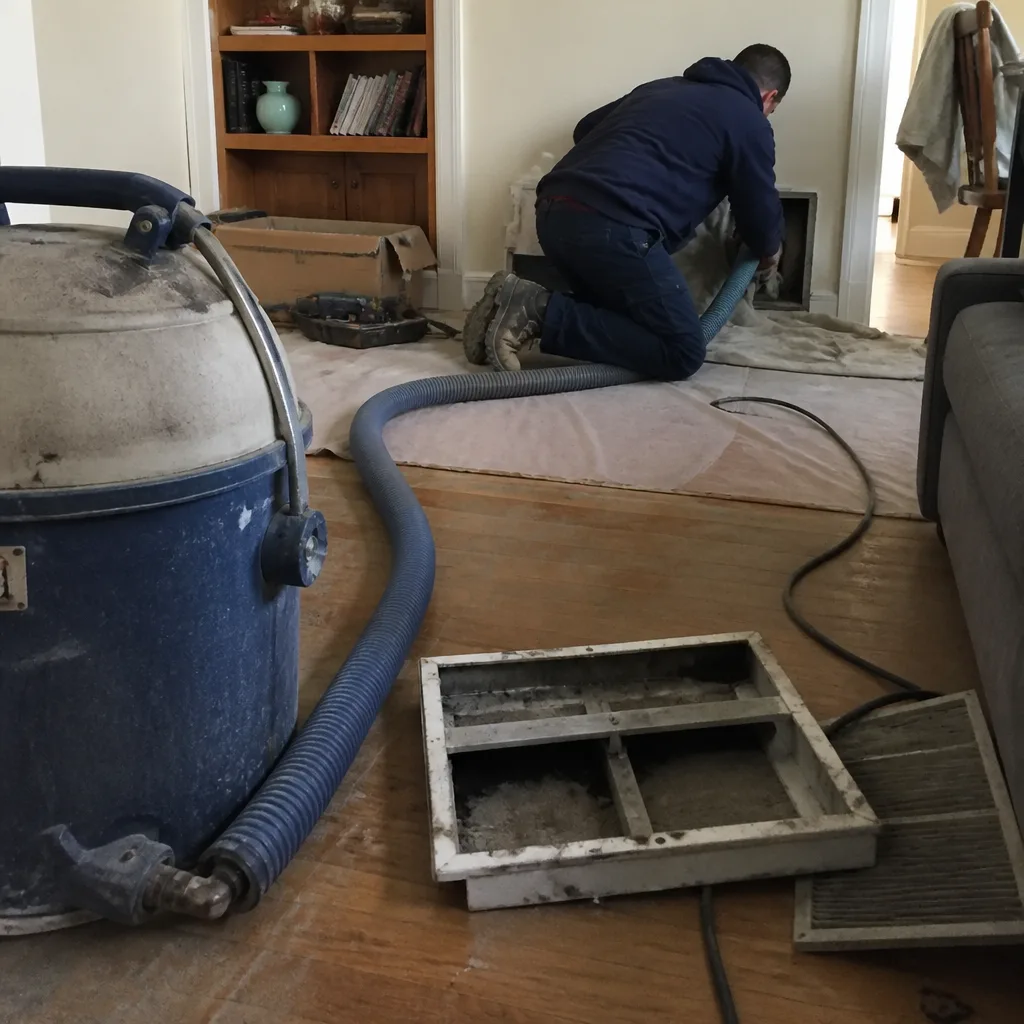
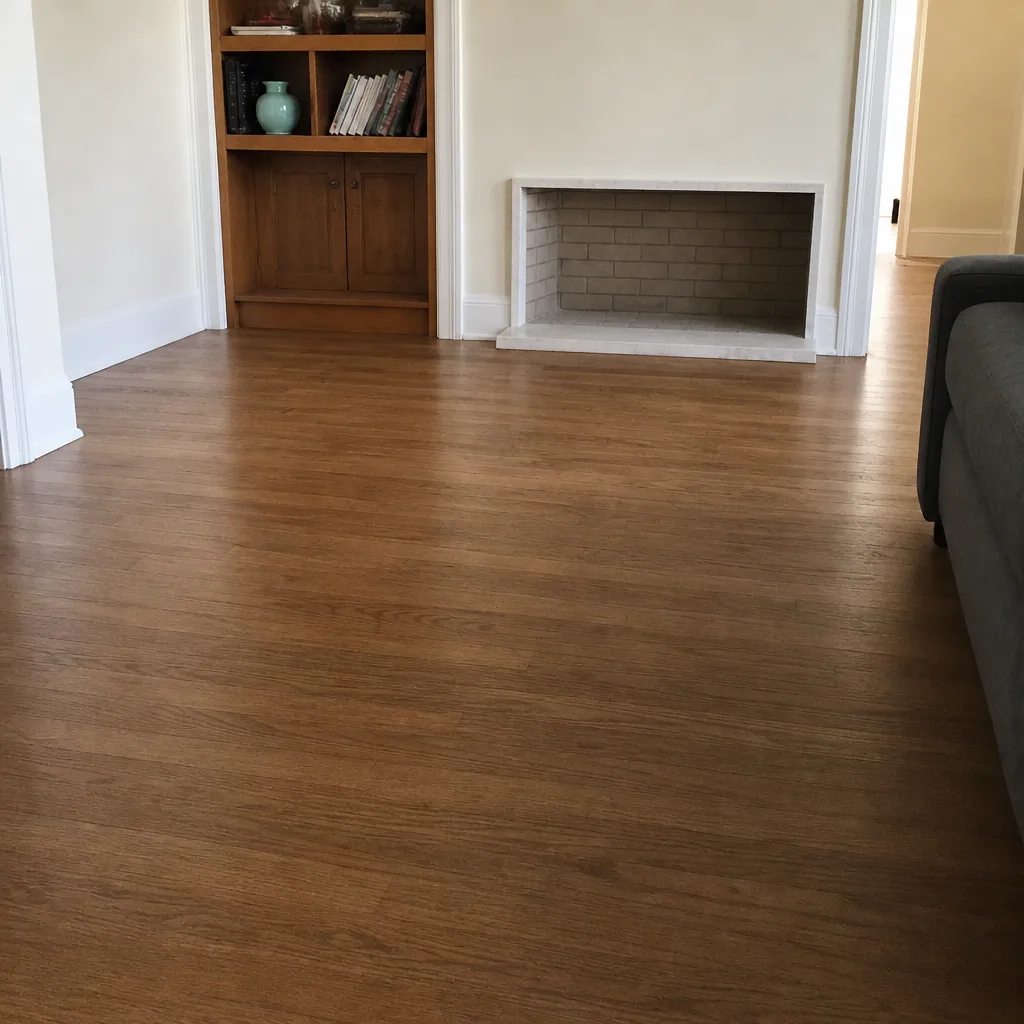
Whole-system duct and dryer vent check with before-and-after photos - you see exactly what came out of your vents
That "$99 whole-house special" is a bait ad - the real number appears once they are in your hallway, or the "clean" is a shop-vac at the register. We photograph the inside of your ducts before and after instead.
The Complete Guide to Air Duct Cleaning in Wakefield
Most duct cleaning jobs skip at least two critical components, and they get away with it because you can’t see inside your own walls. The return plenum and the blower wheel are the usual casualties. Both collect debris fast, both affect the air you breathe, and both sit where a quick vacuum pass never reaches. This guide maps the entire HVAC pathway in a Wakefield home, component by component, so you can tell a thorough job from a superficial one before you pay for it. We’ll cover what each part does, why contamination builds where it does, how Wakefield’s older housing stock changes the picture, and how to read the paperwork a credible contractor leaves behind.
Quick Answer
A complete air duct cleaning in Wakefield means cleaning the whole air pathway, not just the registers: supply and return ducts, the return plenum, the evaporator coil, the blower wheel, and the air handler cabinet. A “basic” service that only vacuums visible vents removes surface dust from a small fraction of the system and leaves the heaviest contamination in place. A proper job uses negative-pressure HEPA extraction with rotary contact cleaning, and it ends with documentation showing what was cleaned and what condition it was in.
Styles & brands we work with
- Whole-home duct cleaning
- Dryer vent cleaning
- Camera inspection
- Sanitizing & deodorizing
Table of Contents
- What a Full System Clean Actually Includes
- Component-by-Component: What Lives Inside Your HVAC System
- How Wakefield’s Pre-1980 Housing Stock Changes the Job
- What Professional Negative-Pressure Equipment Does That Shop-Vacs Can’t
- How to Read a Post-Cleaning Inspection Report
- When Cleaning Alone Isn’t Enough: Coils, Sealing, and Mold
- How to Evaluate a Duct Cleaning Quote in Wakefield
What a Full System Clean Actually Includes
A full system clean touches every surface air passes over between the return grille and the supply registers. That means the return-side ductwork, the return plenum at the air handler, the blower compartment, the evaporator coil, the supply plenum, and the supply trunk and branches. Many companies advertise “whole house duct cleaning” and then clean only the supply side, because supply runs are easier to reach and photograph. The return side is where the worst buildup sits, since it carries unfiltered room air, pet hair, and skin cells straight back to the blower.
Here’s the working sequence a complete job follows:
- Inspect the system and photograph the interior condition before any work starts.
- Set up negative pressure at the air handler so the whole duct system is under vacuum.
- Open access points at the plenums and at each trunk line, then agitate the duct walls with a rotary brush.
- Clean the blower wheel and blower compartment by hand, since brushes can’t reach the fins safely.
- Clean the evaporator coil, either in place or by pulling it, depending on access and condition.
- Extract loosened debris under HEPA filtration so it leaves the house instead of settling into the living space.
- Sanitize the duct interior where condition warrants it, and re-seal every access point.
- Walk the homeowner through the before-and-after photos and the written report.
If a quote doesn’t mention the return plenum, the blower wheel, or the coil, it’s a partial clean wearing a full-clean label. For a deeper look at the service itself, see our page on air duct cleaning.
Component-by-Component: What Lives Inside Your HVAC System
Each part of an HVAC system fails and fouls in its own way. Knowing what each one does makes it obvious why skipping any of them leaves the job half done.
Return ducts and return plenum
Return ducts pull room air back to the air handler. They run at negative pressure compared with supply ducts, which means any gap in the return pulls attic or crawlspace air into the stream. Because the air entering them is unfiltered, return runs collect the heaviest load of dust, hair, and fibrous debris. The return plenum, the short transition box right before the blower, is often the dirtiest single component in a Wakefield system.
Blower wheel
The blower wheel is a squirrel-cage fan that moves every cubic foot of air through your house. Its curved fins collect a mat of dust that reduces airflow and throws the wheel out of balance over time. A balanced wheel runs quietly; a loaded one hums, vibrates, and pushes less air. Basic services almost never open the blower compartment.
Evaporator coil
The coil is a dense fin-and-tube assembly that handles cooling and dehumidification. Dust that reaches it sticks to the fins, and in a damp coil that dust becomes a food source for biological growth. A fouled coil raises energy use and shortens equipment life. Coil cleaning is a distinct task from duct cleaning, and it should be included whenever the coil is visibly loaded.
Supply ducts and registers
Supply runs deliver conditioned air to the rooms. They carry less debris than returns, but they’re the part homeowners can see, which is exactly why they get cleaned and the rest gets skipped. Register grilles should be removed, washed, and reinstalled, not just wiped.
Air handler cabinet and filter rack
The cabinet interior and the filter rack collect dust that bypasses a poorly fitting filter. A filter that doesn’t seat properly lets unfiltered air around its edges, and that air carries straight to the blower and coil.
How Wakefield’s Pre-1980 Housing Stock Changes the Job
Wakefield is dominated by homes built before 1980, and that single fact reshapes how duct cleaning should be done here. Older ductwork was often assembled with mechanical seams and taped or mastic-sealed joints, and that sealing has had decades to dry, crack, and separate. When we put a system under negative pressure, those failed joints pull attic and basement air into the ducts. That’s a leak problem as much as a cleaning problem, which is why sealing belongs in the same conversation as cleaning.
Duct material matters too. Many pre-1980 homes in Wakefield use rigid galvanized sheet metal for trunks and branches, sometimes with interior fiberglass duct board in the plenum or in later retrofits. Sheet metal cleans well with rotary contact brushing. Duct board is more delicate; aggressive brushing can damage the foil facing, so the technician has to adjust method and pressure to the material rather than running one setting everywhere. Homes with original flexible duct from later renovations need still another approach.
Older homes also tend to have more return paths than modern designs, including panned joist returns and floor-cavity returns. Those cavities are hard to inspect, easy to overlook, and often lined with decades of dust. A contractor who doesn’t know to look for panned returns in an older Wakefield house will miss them entirely.
Those decades of accumulated dust, combined with New York’s humid summers and dry winter heating, produce a pattern of contamination that varies by season: damp-season biological growth on the coil and plenum surfaces, dry-season dust loading throughout. Our Wakefield Air Duct Cleaning guide covers the seasonal side in more depth.
What Professional Negative-Pressure Equipment Does That Shop-Vacs Can’t
A portable shop-vac creates suction at its hose end. That’s it. It doesn’t put the duct system under vacuum, it doesn’t filter to HEPA standard, and it doesn’t stop the debris it dislodges from blowing back into the room. Professional negative-pressure setups work on a different principle. A high-volume HEPA vacuum unit connects to the main trunk and pulls the entire duct system into negative pressure relative to the house. Every access point opened downstream then draws air inward, so when a technician brushes a duct wall, the loosened material travels away from the living space and into the HEPA filter.
We use Nikro and Abatement Technologies HEPA equipment for exactly this reason: it’s the same tool class specified on commercial and remediation-grade projects. For contact cleaning, we run a Rotobrush rotary system, which drives a brush through the duct while a vacuum line captures the debris in the same pass. Contact cleaning is the difference between scrubbing a wall and waving a hose past it.
The practical benchmark to ask about is airflow. A proper negative-pressure setup holds steady suction across the whole system while the technician works, and it maintains that suction even as filters load. A shop-vac loses suction as its bag fills and has no way to keep the entire duct network under vacuum. If a contractor can’t tell you what vacuum equipment they run and how it’s filtered, that’s your answer about how thorough the job will be.
How to Read a Post-Cleaning Inspection Report
A credible duct cleaning ends with documentation you can hold. Ask for it before the work starts, so you know what you’ll receive. Here’s what a complete report should contain:
- Before-and-after photographs of the interior of the ducts, the plenum, the blower wheel, and the coil, not just the vent openings.
- A list of every component cleaned, itemized, so you can confirm the return side and blower were included.
- Notes on duct condition, including any separated joints, damaged duct board, or disconnected runs found during the job.
- The method used for each component, so you can see where rotary contact cleaning was applied versus hand cleaning.
- Any recommended follow-up, such as sealing, coil treatment, or a filter upgrade, with the reason for each.
Read the report against the before-and-after photos. If the report says the coil was cleaned but there’s no photo of the coil, ask why. If the return plenum isn’t listed, the job was incomplete. And if a technician leaves without any written record at all, you have no way to confirm what actually happened inside your walls. Documentation is the part of the service that lets you verify the work, so treat it as a deliverable, not a courtesy.
When Cleaning Alone Isn’t Enough: Coils, Sealing, and Mold
Cleaning removes contamination, but it doesn’t fix the conditions that produced it. Three situations call for more than a standard clean.
The coil is loaded. If the evaporator fins are packed with dust or show biological growth, duct cleaning by itself won’t restore airflow. The coil needs its own cleaning, and in a damp climate that often means a sanitizing treatment afterward. We offer coil work as part of our HVAC cleaning scope so the whole air path gets addressed together.
The ducts leak. Negative pressure testing during cleaning exposes separated joints and disconnected runs. Cleaning a leaky system just means it will foul again faster, because unfiltered attic or crawlspace air keeps entering. Duct repair and sealing is a core service for us, not something farmed out, so damaged joints found during the clean get fixed in the same visit.
There’s visible mold or a musty smell that returns. Surface growth on duct board, plenum interiors, or the coil points to a moisture problem. A sanitizing treatment using Guardsman products addresses the surface, but the moisture source has to be found, or growth comes back. In severe cases, a remediation protocol is the right scope, and that’s a bigger conversation than duct cleaning.
One more service belongs in this section because it’s a safety matter, not an air quality one: dryer vent cleaning. Lint-clogged dryer vents are a leading cause of residential fires, and the cleaning is the safety service, not an upsell.
How to Evaluate a Duct Cleaning Quote in Wakefield
Duct cleaning quotes in Wakefield vary widely, and the variation usually tracks what’s included rather than what it costs. A coupon price that looks low often covers the supply vents only, or arrives with add-on charges once the technician is inside. The honest way to compare is to ask what the price includes, component by component, and to get it in writing.
Ask these questions before you book:
- Which components are included: return ducts, return plenum, blower wheel, coil, supply runs, registers?
- What vacuum equipment do you use, and is it HEPA-filtered and negative-pressure?
- Do you use rotary contact cleaning, or only a hose?
- Will I get before-and-after photos of the duct interiors, not just the vents?
- What happens if you find separated joints or damaged duct board during the job?
- Is the price flat for the whole system, or does it change based on what’s found?
- What does the written report include?
A contractor who answers all seven clearly is telling you the job will be thorough. One who dodges the component question or quotes a per-vent price is telling you something too. Our technicians have up to 12 years of experience, and the questions above are the same ones we’d want answered about our own homes.
Common Mistakes to Avoid
- Assuming the return side got cleaned. Many “whole house” jobs cover supply runs only, and the return plenum and return ducts are where the heaviest contamination lives. Confirm in writing that the return side is included.
- Letting a shop-vac rig pass as professional equipment. Portable vacuums don’t create system-wide negative pressure or HEPA filtration, so dislodged debris can end up back in your rooms. Ask what vacuum unit is used on site.
- Ignoring leaks that cleaning exposes. Wakefield’s older homes often have dried, separated seam tape; if a contractor cleans without mentioning sealing, the system just fouls again. Ask whether duct repair is part of the scope.
- Skipping the blower wheel and coil. These two components sit where nobody can see them and directly control airflow and air quality. A clean that stops at the ducts is incomplete.
- Accepting no documentation. Without before-and-after photos and a written component list, you have no way to confirm the work happened. Request the report as part of the quote.
- Brushing duct board like sheet metal. In pre-1980 Wakefield homes with duct board in the plenum, aggressive brushing can damage the facing. The technician should match method to material.
- Treating dryer vent cleaning as optional. A clogged lint vent is a fire risk, not just an inefficiency. It deserves the same attention as the duct system.
See the difference
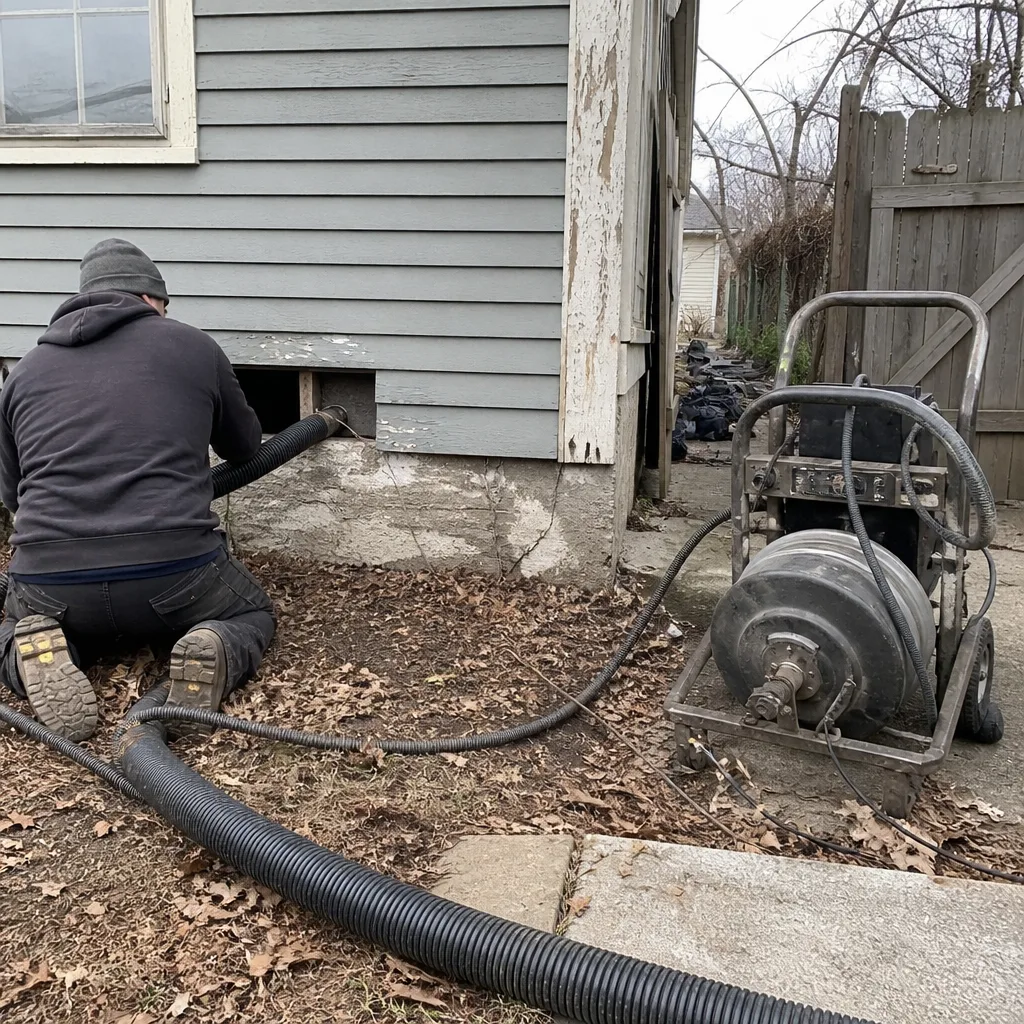 Before
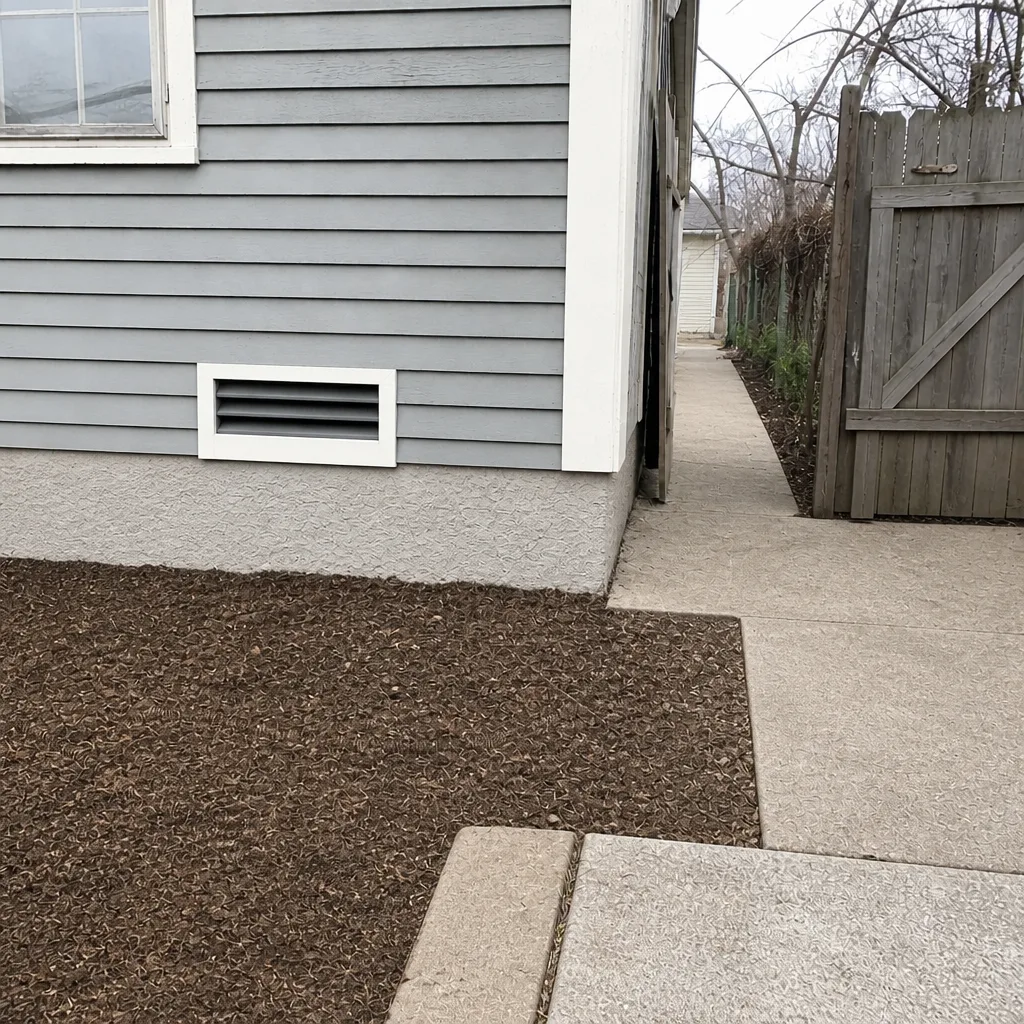 After
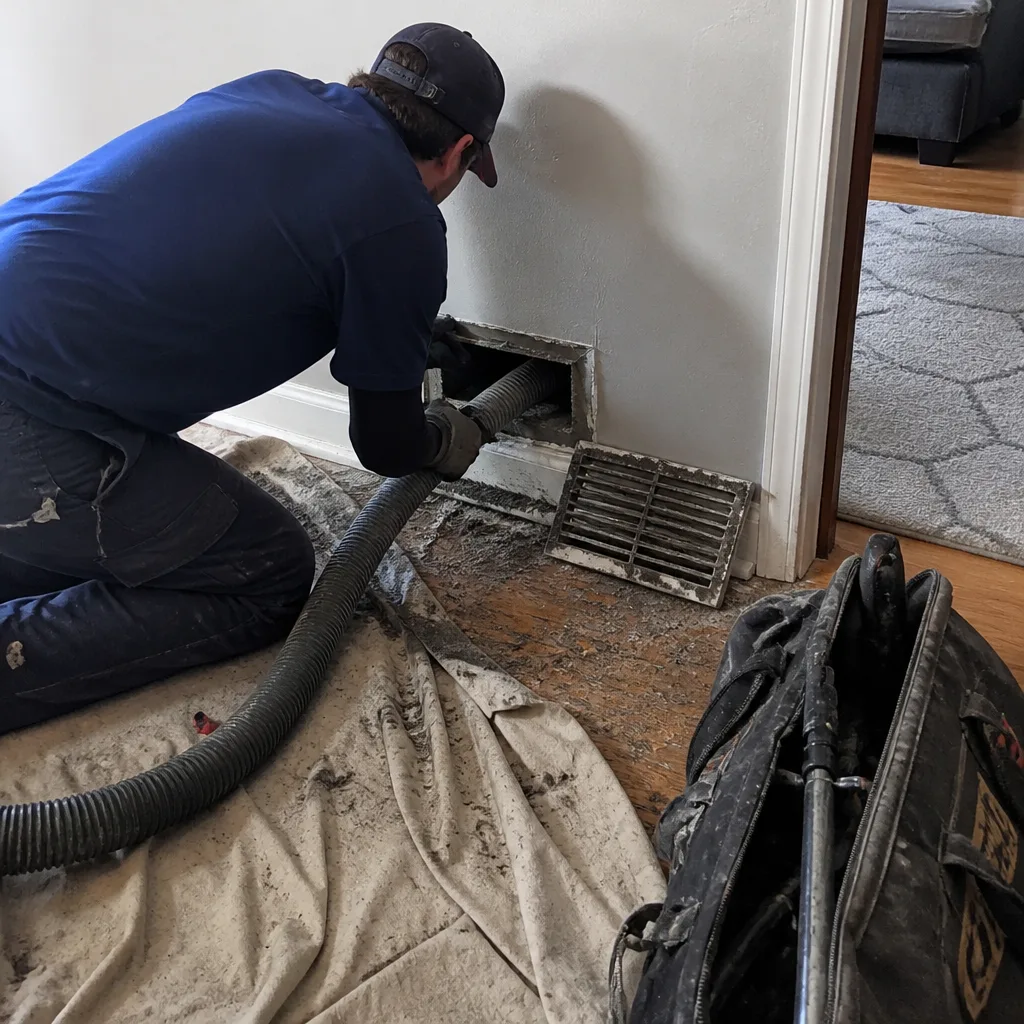 Before
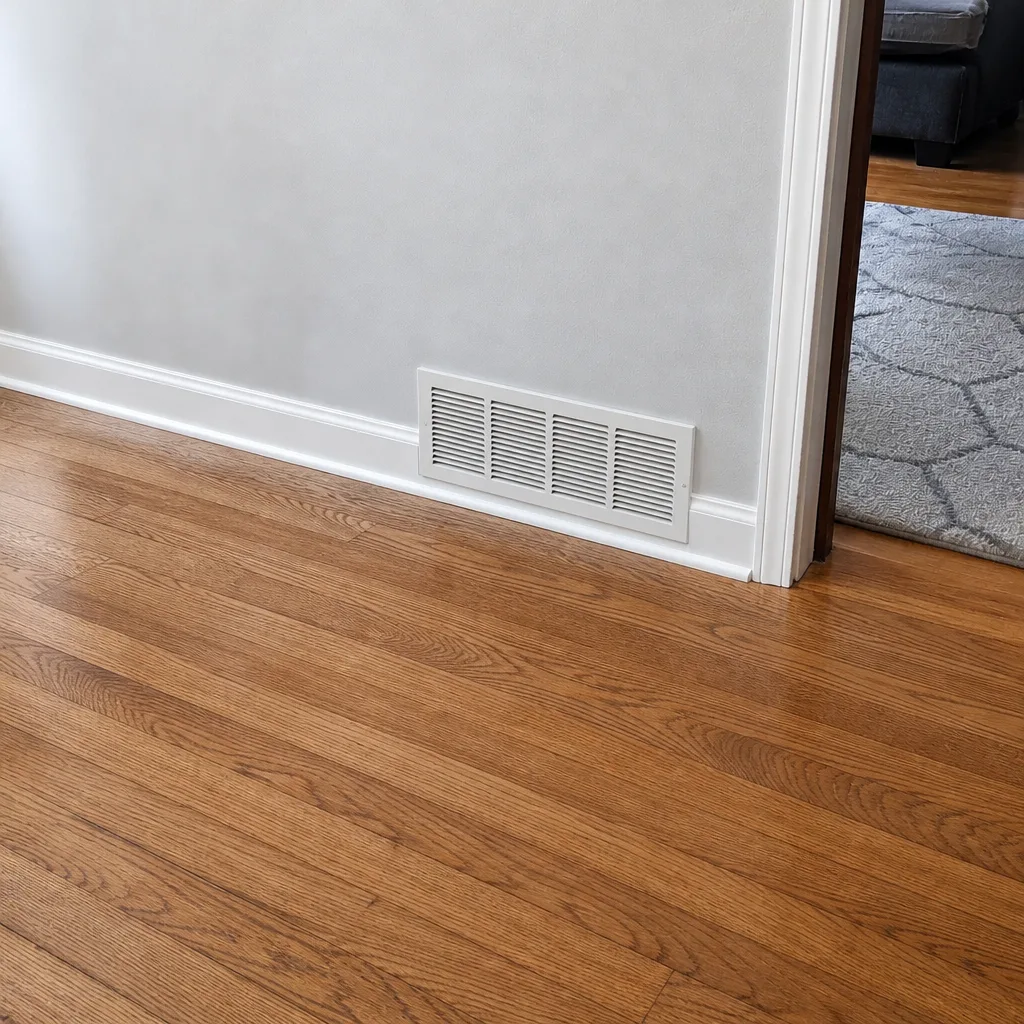 After
 Before
 After
When to Call a Professional
Call a professional when you notice musty odors that return after cleaning your filters, visible dust blowing from registers right after a filter change, or allergy symptoms that worsen indoors during heating and cooling season. Call after a renovation, since drywall dust and construction debris settle deep into ducts and need HEPA extraction, not a shop-vac. Call if you’ve never had the system cleaned and your home was built before 1980. And call urgently if your dryer takes longer than one cycle to dry a load, which often signals a lint-clogged vent. Wakefield Air Duct Cleaning offers free estimates in Wakefield. Call (844) 902-2536. We answer 24/7. Fast dispatch from 7am to 7pm, Sunday through Friday.
Frequently Asked Questions
Air duct cleaning in Wakefield is priced per job by written estimate, based on the number of runs, the system size, and whether coil, blower, or duct sealing work is included. Whole-system cleaning costs more than a supply-only clean because it covers the return side, plenum, blower, and coil. The written estimate sets the final price, and estimates are free. Call (844) 902-2536 for an exact quote.
A full system clean typically takes a few hours, and a larger home with a complex duct layout or heavy contamination runs longer. Duct repair or coil cleaning found during the job can extend the visit. The estimate should give you a realistic window before work starts.
Most homes do well with cleaning every few years, but the interval depends on pets, renovation dust, filter maintenance, and whether the ducts leak. Homes with a leaking return or a poorly fitting filter foul faster and benefit from sealing alongside cleaning. If you notice odors or dust return within months, the interval should shorten.
Cheaper quotes usually cover less: supply vents only, no return plenum, no blower or coil, and a portable vacuum instead of negative-pressure HEPA equipment. The low price reflects a partial job. Compare quotes by what components they include in writing, not by the headline number.
Ask for before-and-after photos of the duct interiors, the plenum, the blower wheel, and the coil, plus a written list of every component cleaned. A credible contractor provides both. If a report and photos aren’t offered, request them before booking. Call (844) 902-2536 to discuss what documentation comes with the job.
It can reduce the dust, pet hair, and biological material that circulate through the system, which often helps people with indoor allergy symptoms. The biggest gains come from a complete clean plus a properly fitting filter and sealed ducts. If symptoms persist, the coil and moisture conditions should be checked.
The Bottom Line
A thorough duct cleaning in Wakefield means treating the whole air pathway, not just the parts you can see from the floor. Return ducts and plenum, the blower wheel, and the coil carry the heaviest contamination and are the components most often skipped. Wakefield’s pre-1980 housing stock brings leaky joints and mixed duct materials that deserve a technician who adjusts to the material. Professional negative-pressure HEPA extraction and rotary contact cleaning, matched with a written report and before-and-after photos, are what separate a real clean from a surface pass. Ask what’s included, get it in writing, and verify the work with documentation.
Call (844) 902-2536 for a free estimate. We answer 24/7. Fast dispatch from 7am to 7pm, Sunday through Friday. A flat price per system is agreed before any work starts.
Written by the team at Wakefield Air Duct Cleaning.