
Last updated November 22, 2026
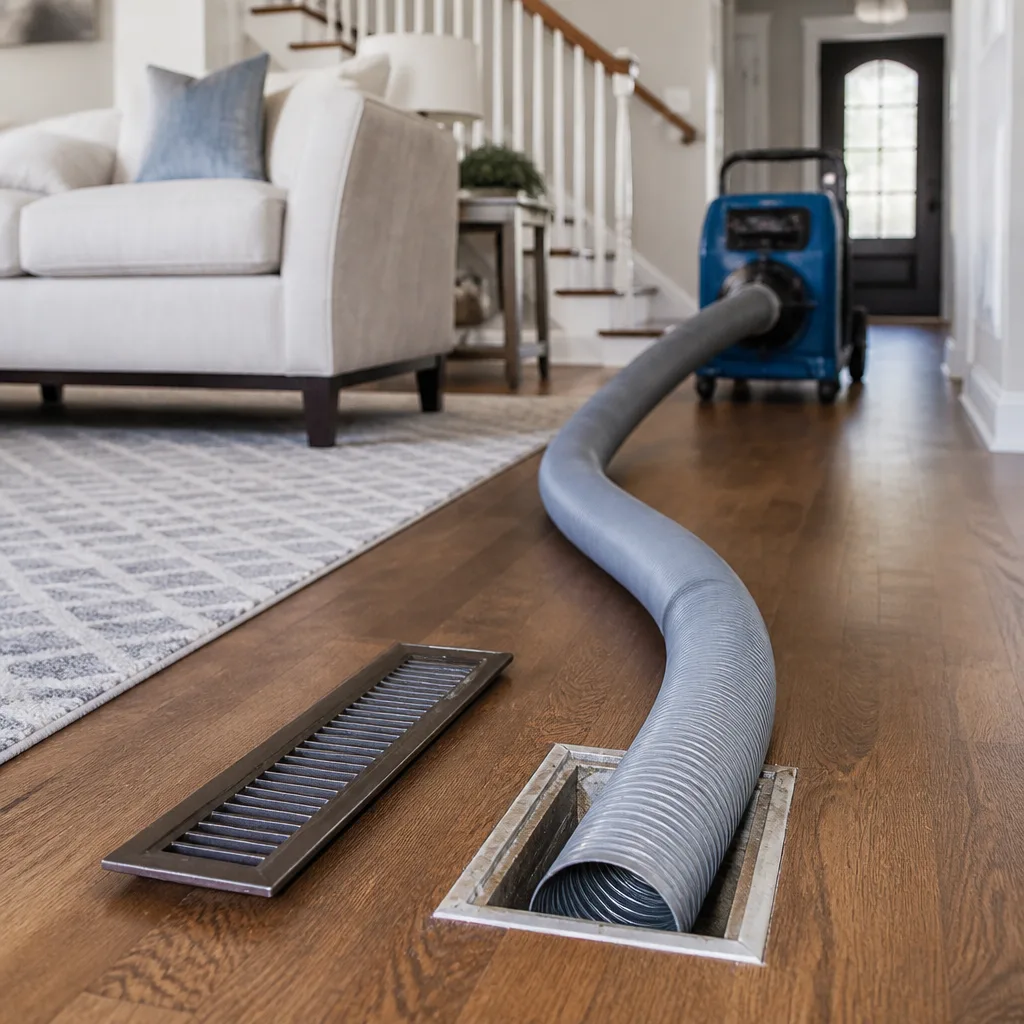 Whole-home duct cleaning
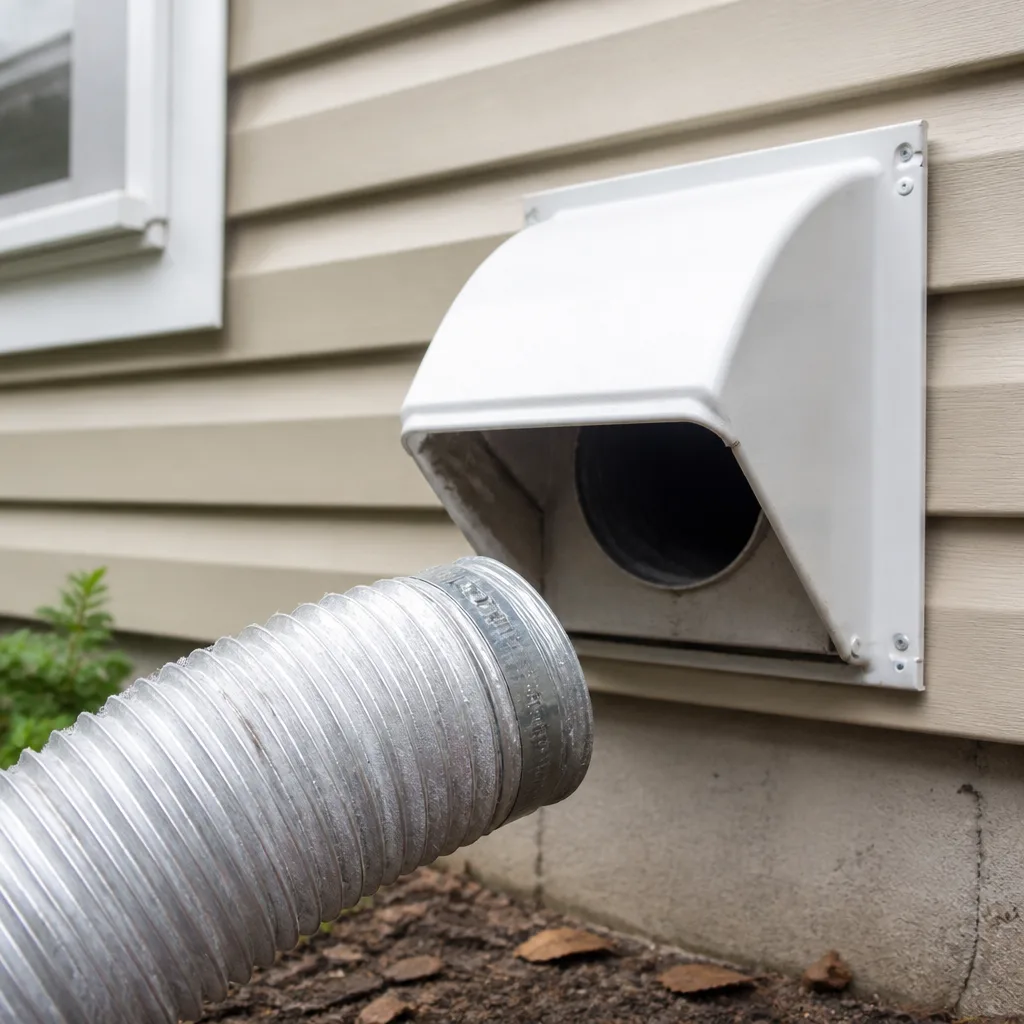 Dryer vent cleaning
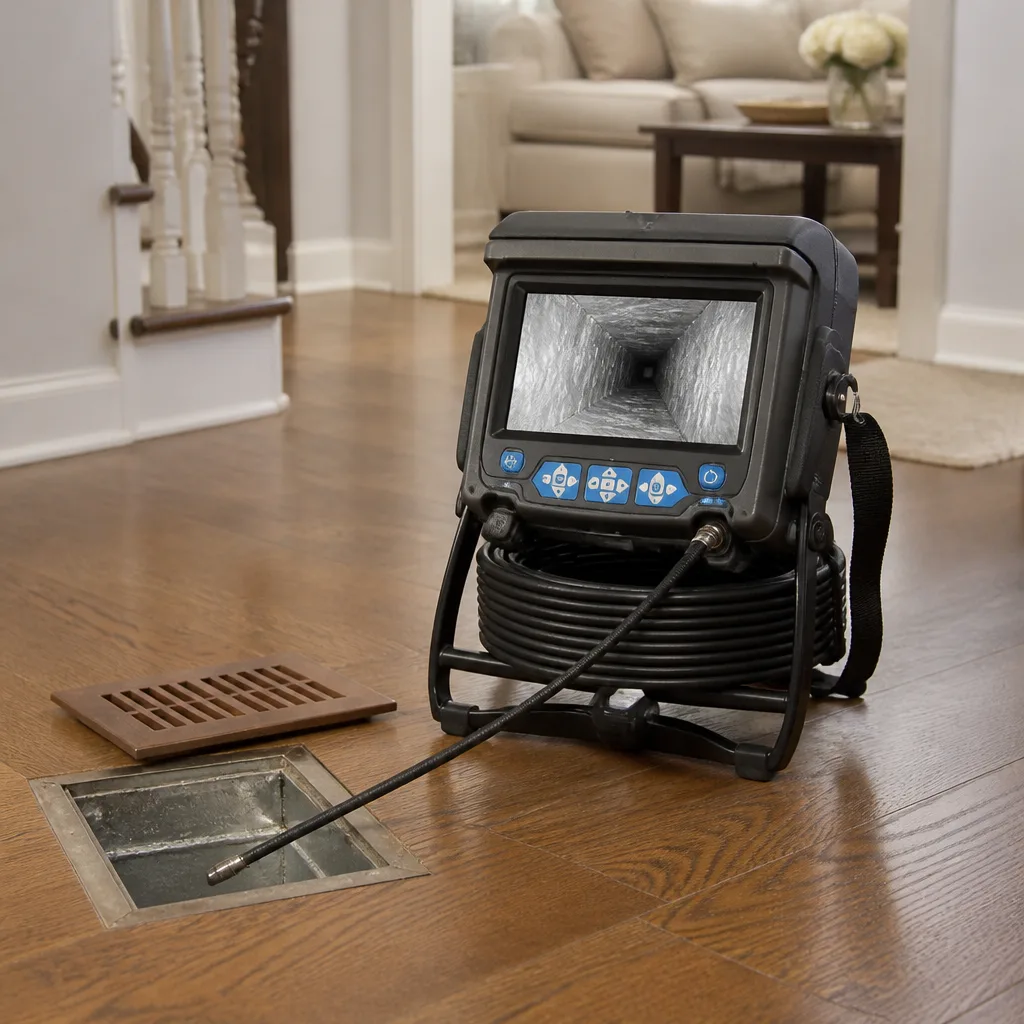 Camera inspection
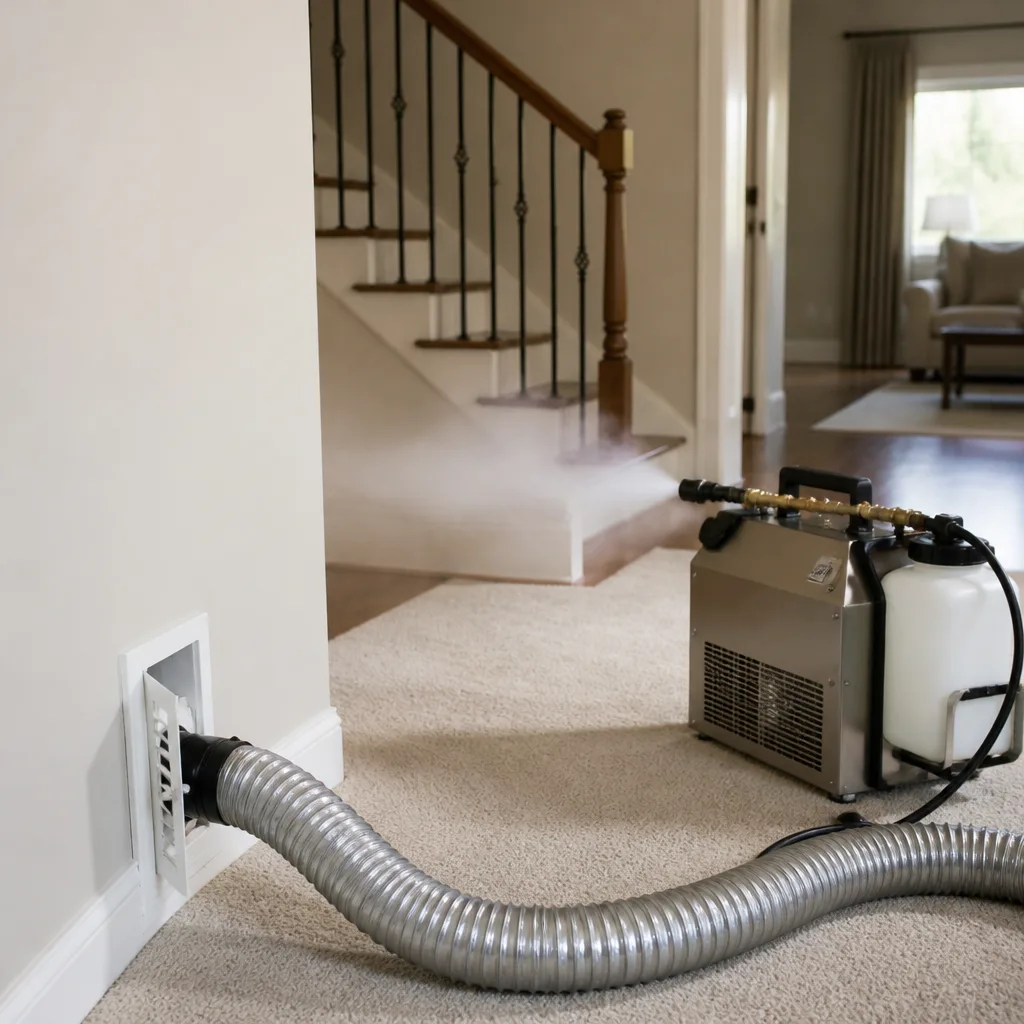 Sanitizing & deodorizing
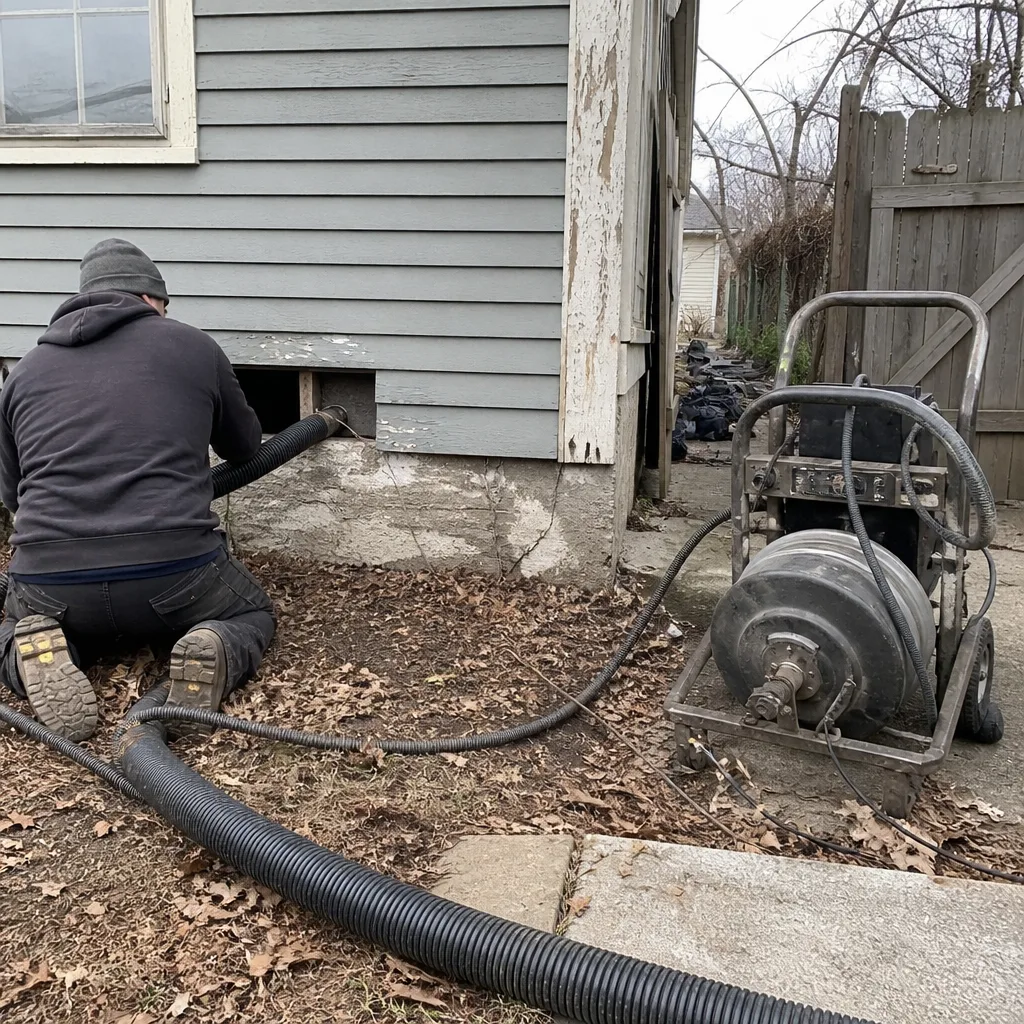
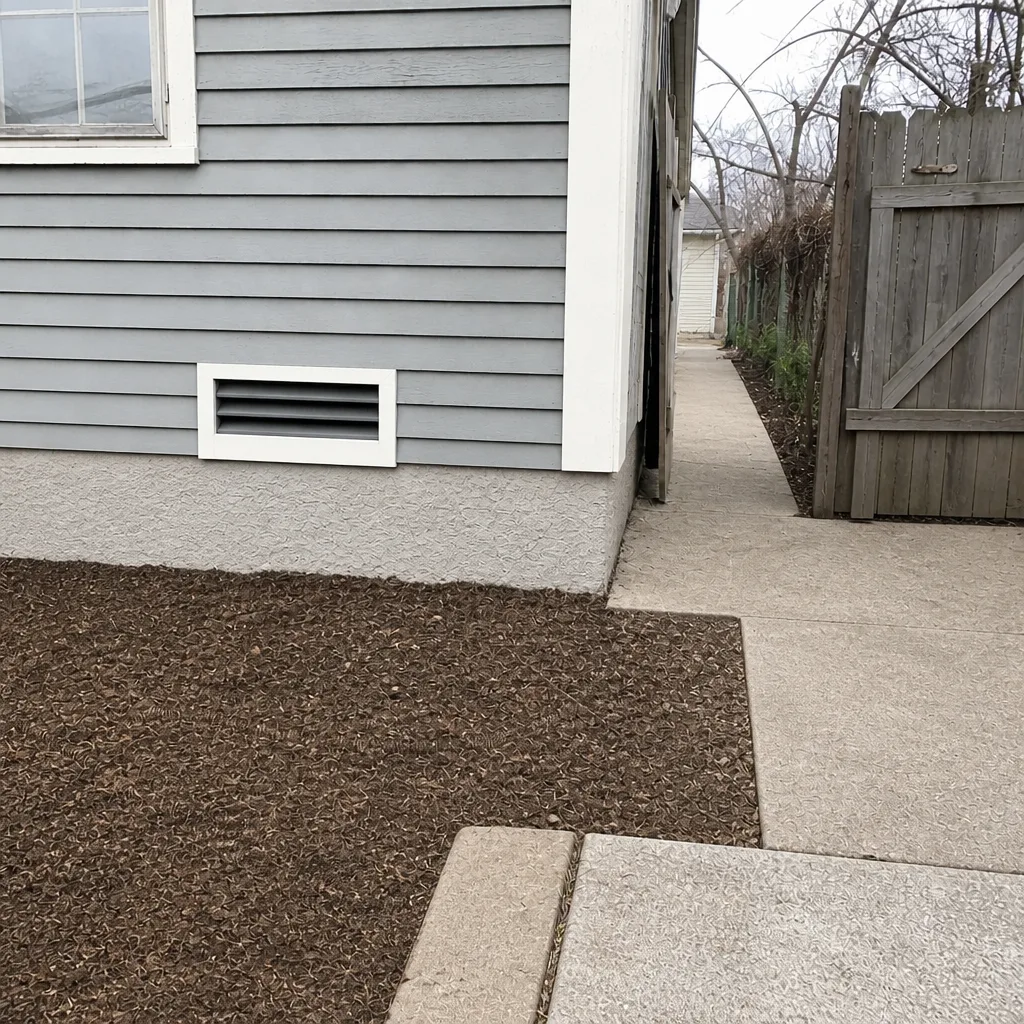
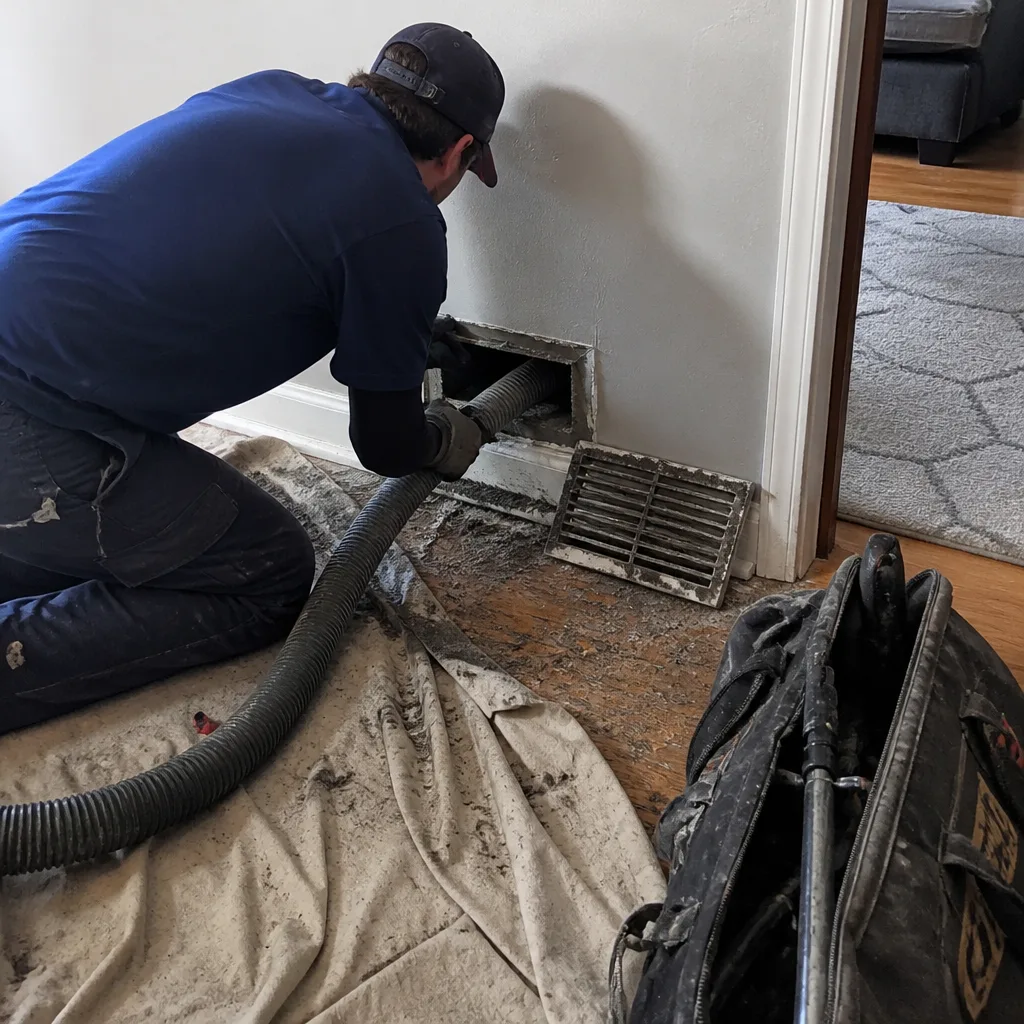
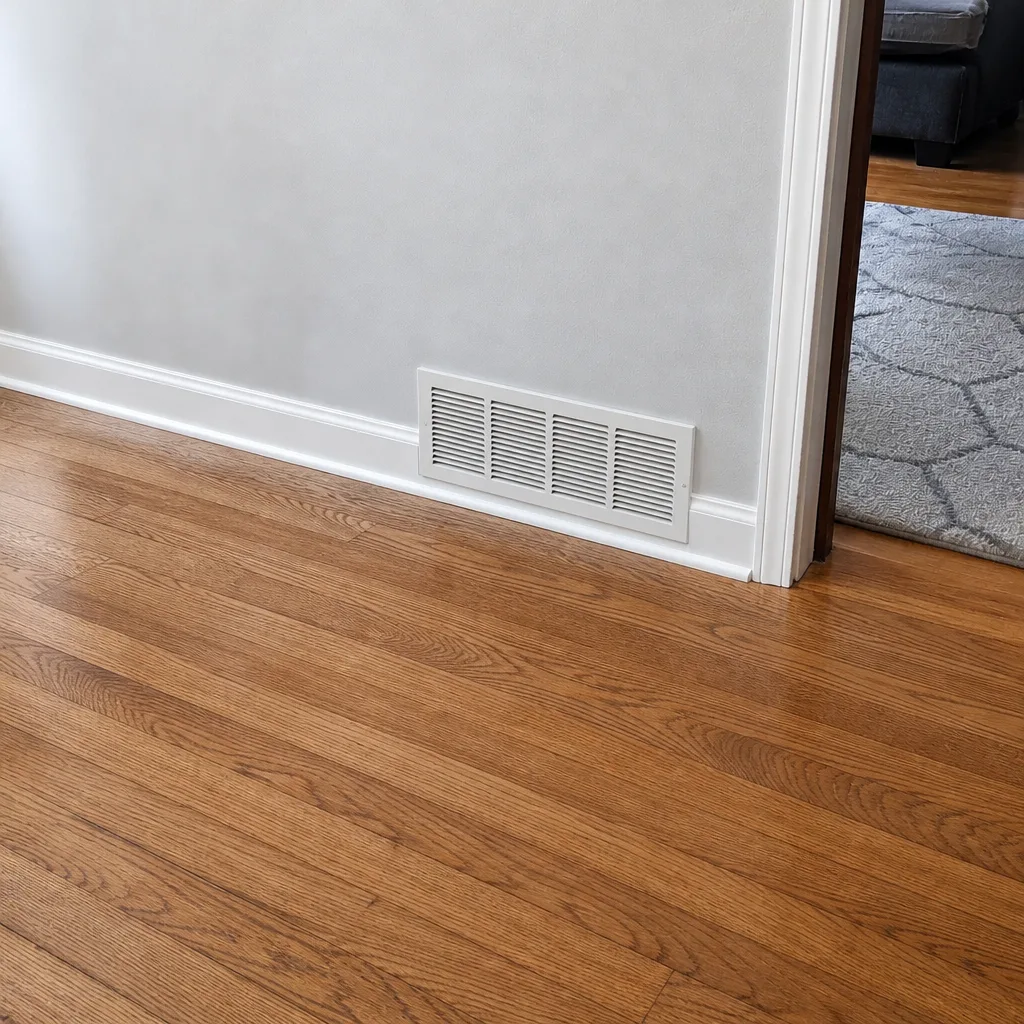
Whole-system duct and dryer vent check with before-and-after photos - you see exactly what came out of your vents
That "$99 whole-house special" is a bait ad - the real number appears once they are in your hallway, or the "clean" is a shop-vac at the register. We photograph the inside of your ducts before and after instead.
How to Hire an Air Duct Cleaning Contractor in Wakefield: A Step-by-Step Guide
Here’s the part most homeowners never hear: New York State does not license air duct cleaners. The company mailing $99 coupons and the contractor who follows recognized industry standards both operate legally in Wakefield. Nothing separates them on paper. The difference lives entirely in what you know to ask before anyone walks through your door. That’s why credential theater and low-ball pricing are the two clearest red flags in this trade, and both are visible before the first quote call ever happens. This guide gives Wakefield homeowners a structured, technical hiring framework: what to request, what to verify, what documentation proves, and how to compare two legitimate bids fairly. By the end, you’ll know exactly what a real duct cleaning job obligates a contractor to do on-site.
Quick Answer
To hire an air duct cleaning contractor in Wakefield, verify three things before booking: the contractor follows the NADCA ACR standard for source removal (not just surface vacuuming), they use negative-air HEPA equipment and can document before-and-after conditions with photos or video, and they quote a flat price per system based on a pre-service inspection rather than a per-vent rate. Ask for insurance certificates and a written scope of work, compare bids line-item by line-item, and reject anyone who quotes without seeing your system first. Because New York doesn’t license this trade, your questions are the only filter that matters.
Styles & brands we work with
- Whole-home duct cleaning
- Dryer vent cleaning
- Camera inspection
- Sanitizing & deodorizing
Table of Contents
- Why New York Doesn’t License Duct Cleaners (and What That Means for You)
- The NADCA ACR Standard: What to Request and What It Obligates
- Equipment Questions to Ask Before You Book
- The Pre-Service Inspection: Why It Comes Before Any Quote
- Red Flags in the Quote Process
- Verifying Insurance for Work Inside Occupied Wakefield Homes
- How to Compare Two Legitimate Bids Fairly
- What Makes Duct Cleaning Different in Wakefield
Why New York Doesn’t License Duct Cleaners (and What That Means for You)
New York State has no licensing requirement for air duct cleaning. There’s no state exam, no continuing education mandate, no governing board that can pull a bad operator’s credential. That’s the structural reality behind every hiring decision in Wakefield, and it’s the single most important thing to understand before you start collecting quotes. Anyone with a vacuum and a business card can advertise duct cleaning tomorrow. The barrier to entry is essentially zero.
Licensing exists to do one job: give consumers a pre-verified baseline of competence. When it’s absent, that verification moves to you. That means the questions in this guide aren’t optional extras. They’re the substitute for a license check that doesn’t exist.
What does fill the gap? Two things. First, recognized industry standards, chiefly the National Air Duct Cleaners Association (NADCA) Assessment, Cleaning and Restoration standard, usually written as the ACR standard. Second, professional-grade equipment and documented process. Neither is legally required in Wakefield. But a contractor who volunteers both, and can explain them, is signaling that they operate above the floor the law sets.
Here’s the practical consequence. When a company in Wakefield offers a suspiciously low price, they aren’t necessarily breaking any rule. They’re operating legally while doing minimal work. Your defense isn’t regulation. It’s a structured vetting process you run yourself, before booking.
- No state license means no automatic verification. Assume nothing about competence until you’ve asked.
- The ACR standard is voluntary. A contractor who follows it chose to, and will tell you so without prompting.
- Insurance is separate from licensing. Even with no license requirement, legitimate contractors carry liability coverage. Check it.
- Your questions are the filter. A confident, specific answer to a technical question is worth more than any logo on a flyer.
The NADCA ACR Standard: What to Request and What It Obligates
The NADCA ACR standard is the recognized industry benchmark for how duct cleaning should be performed, and it’s built around one principle: source removal. That means physically dislodging and removing debris from inside the duct system, not just vacuuming the surface or fogging it with a chemical to mask what’s there. When you request ACR-compliant work from a Wakefield contractor, you’re asking them to commit to a defined process. Here’s what that standard obligates them to do on-site.
- Assess the system before cleaning. The ACR standard starts with an evaluation: what’s in the ducts, how the system is configured, and what condition it’s in. Cleaning without assessment is guesswork.
- Protect the occupied space. Source removal means debris is captured, not redistributed into your home. Negative-air equipment and containment are part of the method, not an add-on.
- Clean the full system, not just the visible runs. That includes supply and return ducts, registers, and the components where debris accumulates, cleaned to a documented condition.
- Document the before and after. The standard calls for verification, which in practice means photos or video showing the condition before work and the condition afterward.
- Leave the system in working order. Components that get accessed should be restored and resealed, not left loose.
When you ask a Wakefield contractor “do you follow the NADCA ACR standard?”, you’re not asking for a membership card. You’re asking whether they can describe source removal, containment, and documentation without pausing. The answer tells you a lot.
This is where we work, and it’s worth saying plainly: our approach is built around source removal. We use Rotobrush rotary contact-cleaning systems to dislodge debris from the duct walls rather than skimming the surface, paired with negative-air HEPA extraction. If you want to see what that looks like in practice, our air duct cleaning service page walks through the process. The point of this guide, though, isn’t to sell you our work. It’s to give you the vocabulary to evaluate any contractor, ours included.
Equipment Questions to Ask Before You Book
The equipment a contractor brings tells you what kind of job you’re getting before they arrive. Ask these questions on the phone. A credible Wakefield contractor answers them specifically, not vaguely. A low-effort operator changes the subject or promises “we’ve got everything we need.”
Question 1: Truck-mounted or portable, and what’s the negative-air setup?
Duct cleaning relies on negative air pressure: the equipment pulls air (and the debris in it) out of the system and into a filtration unit rather than blowing it into your living space. Negative-air HEPA machines are the standard for occupied residential work. Ask what they use. Professional remediation-grade equipment lines like Abatement Technologies and Nikro are specified for commercial and remediation projects precisely because they hold up under real debris loads. Consumer shop-vacs are not in the same category.
Question 2: What’s the CFM rating?
CFM stands for cubic feet per minute, and it’s the measure of how much air the extraction equipment moves. Low airflow means surface dust gets disturbed while heavier debris stays put. Ask for the number. A contractor who knows their equipment knows the rating.
Question 3: Can you do camera inspection?
A camera inspection lets a contractor actually see inside the ducts, confirm the debris load, and identify damage, disconnected joints, or microbial growth that a surface look can’t reveal. If a company can’t inspect, they can’t document, and if they can’t document, you have no way to know what was done.
- Rotary brush or contact cleaning: dislodges debris stuck to duct walls; a plain vacuum pressure alone may leave it.
- Negative-air HEPA extraction: captures what’s dislodged; essential in an occupied home.
- Camera access: the difference between “we cleaned it” and “here’s proof of what we cleaned.”
- Containment materials: sealing registers and work areas to keep the rest of the house clean.
If a contractor can’t answer these three questions, that’s your answer. Move to the next call.
The Pre-Service Inspection: Why It Comes Before Any Quote
A legitimate duct cleaning quote comes after someone has looked at your system. Not after a phone call where you estimate your own square footage, and not from a coupon that sets a price before anyone knows what’s in your ducts. The inspection is where a real contractor determines scope: how many systems, the condition of the ductwork, whether there’s damage or leakage, and what a fair flat price for the job actually is.
In Wakefield, the housing stock varies enough that this matters. Older homes may have ductwork that’s been modified, patched, or run through spaces that hold moisture. Newer construction may have tight systems where access is limited. Two houses on the same street can need very different work. A per-vent price can’t account for any of that; it just multiplies a number by the count of registers and calls it a quote.
Here’s what the pre-service inspection should cover:
- System count and configuration. How many separate HVAC systems, and how the ductwork is laid out.
- Visible condition. Debris load, dust patterns at registers, signs of moisture or pest activity.
- Access points. Where the equipment can connect and where the ducts may need to be opened.
- Integrity check. Loose joints, disconnected sections, or damaged insulation that cleaning will reveal and that needs addressing.
- A written scope and flat price. Based on everything above, agreed before work starts.
That fifth point is the one to hold onto. A flat price per system, set after inspection and written down, is the opposite of the bait-and-switch model. It’s also what protects you. When a quote is built detail by detail, there’s nothing to “discover” once a technician is on-site that suddenly changes the bill.
One more thing worth knowing: cleaning often reveals duct damage that wasn’t visible before. Loose joints, torn insulation, disconnected runs. A contractor who also handles HVAC cleaning and duct repair in the same visit saves you from chasing a second company to fix what the first one found. Ask whether repair and sealing are in-house or subcontracted. It changes your timeline and often your total cost.
Red Flags in the Quote Process
Most bad duct cleaning experiences are predictable from the quote stage. The warning signs show up before anyone sets foot in your Wakefield home, if you know what to look for. These are the four that matter most.
Per-vent pricing. A quote built on a price-per-register model tells you the contractor is pricing volume, not work. It doesn’t reflect condition, debris load, or access difficulty, and it gives an operator an incentive to rush each vent. Whole-system flat pricing, set after inspection, is the model that aligns their interest with doing the job right.
No pre-service inspection. If a company will quote without looking, they’re guessing, and the guess will favor the low number that wins the job. The scope conversation happens after inspection, full stop.
Refusal to provide before-and-after documentation. This is the big one. Photos or video of your ducts before cleaning and after cleaning are the only proof the work happened. A contractor who won’t commit to that in advance, or who resists showing you afterward, leaves you with no evidence. You paid for something you can’t verify.
Credential theater. Logos, badges, and phrases that sound authoritative but never resolve to anything specific. “Certified technicians” certified by whom? “Industry-approved equipment” which equipment? Ask for specifics. A real professional will name the standard, the equipment, and the process. Vague impressive-sounding language is a red flag precisely because specifics are easy for a legitimate operator to supply.
- A price quoted before inspection that’s suspiciously low, with the real number arriving once the technician is inside.
- Pressure to book “today” to lock a price, which is designed to skip the inspection.
- No written scope of work before you agree, so “what’s included” stays fuzzy.
- Reluctance to discuss insurance when you ask about coverage for work inside an occupied home.
Read the same signals the same way every time: a specific, technical answer builds trust; evasion and vague authority language erode it. Those four flags are enough to filter out most low-effort operators before the first appointment.
Verifying Insurance for Work Inside Occupied Wakefield Homes
Duct cleaning happens inside your house, around your belongings, and around the systems your family depends on. That’s why verifying insurance matters even though New York doesn’t license this trade. Licensing and insurance are separate questions, and only one of them is something you can confirm yourself before booking.
The verification steps are straightforward. Ask, and expect a clear answer.
- Ask for a certificate of insurance. A legitimate contractor carries general liability coverage for work performed in a customer’s home. They should be able to provide a certificate naming the coverage, not just say “we’re insured.”
- Confirm the coverage is current. A certificate has an effective date. Check that it’s active, not expired.
- Ask about workers on-site. If someone other than the person who quoted the work will be in your home, ask how they’re covered.
- Keep the certificate with your quote. If there’s ever a dispute about damage, the paperwork is your record.
A contractor who hesitates, deflects, or gets annoyed at an insurance question is telling you something. The answer should be easy and matter-of-fact. If it isn’t, that’s a reason to keep calling.
This ties back to the license gap. In a licensed trade, you can look up a contractor’s standing. Here, you can’t. Insurance verification is one of the few concrete checks available to you, so use it. It costs nothing and filters out a meaningful share of operators who aren’t set up to do serious work in a customer’s home.
How to Compare Two Legitimate Bids Fairly
Two honest quotes for duct cleaning in Wakefield can come in at different prices and both be fair. Final price alone is a poor comparison. What you want to match is scope: the line items that define what each contractor will actually do. If the scopes differ, the prices aren’t comparable, and the lower number may simply represent less work.
Build a side-by-side comparison using the same line items for both bids:
- Systems covered: how many HVAC systems, and whether both supply and return sides are included.
- Method: contact cleaning plus negative-air HEPA extraction, or a vacuum-only approach. Name the equipment each will use.
- Inspection: camera inspection included, and whether the findings are documented.
- Documentation: before-and-after photos or video, both promised and delivered.
- Repair and sealing: included, quoted separately, or subcontracted to another company.
- Sanitizing: whether a treatment is part of the scope, and which product. A recognized product line beats a mystery spray.
- Flat price basis: whole-system flat rate set by inspection, versus any per-vent figure.
- Insurance: certificate provided and current for both.
Match those line items across both bids, then compare. If one quote includes camera inspection and documentation and the other doesn’t, the price difference often explains itself. If one quotes per vent and the other flat, they’re pricing two different things and the numbers can’t be lined up on a spreadsheet.
The goal isn’t to find the cheapest bid. It’s to find the bid where a fair price meets a complete, documented scope. When two legitimate bids are matched line-by-line, you can choose confidently. When the comparison is lopsided, the missing line items tell you why.
What Makes Duct Cleaning Different in Wakefield
Duct cleaning isn’t the same job in every climate, and it’s not the same in every home. Wakefield’s seasons matter here. Humid summers put moisture into the air that a duct system circulates, and moisture is what turns dust into the kind of buildup that feeds microbial growth. Cold winters mean the heating system runs hard for months, moving more air and drawing more debris through the system. A house that ran its HVAC through a full year of both has a different duct condition than one that barely cycled.
The other local variable is housing stock. Wakefield has a mix of older homes with ductwork that’s been added, extended, or patched, and newer construction with tighter, less accessible systems. That variety is exactly why per-vent pricing fails here and pre-service inspection matters. You can’t price a system you haven’t looked at.
Then there’s the renovation factor. If you’ve had remodeling done in Wakefield, drywall dust, sawdust, and construction debris ride straight into the return ducts and settle throughout the system. Post-renovation cleaning is a specifically different job, and it’s a good reason to have a contractor who also handles dryer vent cleaning, since the same fine debris that loads your ducts can load the dryer vent, which is a separate fire-safety concern entirely.
And the health side. If someone in the house has allergies or asthma, the point of cleaning shifts from maintenance to reducing what’s in the air they breathe. That’s where an indoor-air-quality approach matters more than a one-time vacuum job. Recognizing product lines like Aprilaire and Honeywell in the conversation is a sign a contractor thinks about filtration and long-term air quality, not just the cleaning itself. Our Wakefield Air Duct Cleaning page lays out the full range of services, and a dedicated air quality and sanitizing service exists for households where treatment after cleaning is part of the plan.
None of this changes the hiring framework. It changes the questions you bring to it. A Wakefield contractor should be able to talk about your climate, your housing stock, and your specific system. If they can’t, they’re running a generic operation.
Common Mistakes to Avoid
- Booking on price alone. A coupon price that’s dramatically below other quotes usually reflects a job that’s dramatically smaller than you think. Price without matched scope is a false comparison.
- Skipping the inspection. Agreeing to work before anyone has looked at your system means you’re accepting a quote on a house the contractor has never seen. Insist on an inspection before the flat price is set.
- Not asking for before-and-after photos. Documentation is your only proof the work happened. If you don’t ask for it up front, you may not get it, and you’ll never know what the ducts looked like before or after.
- Accepting per-vent pricing without question. It rewards speed over thoroughness and bears no relationship to the actual condition of your ducts. Ask for flat, per-system pricing.
- Ignoring the dryer vent. A clogged dryer vent is a fire-safety hazard, and many duct cleaners treat it as an afterthought. Ask specifically whether it’s part of a dedicated service, and have it checked on its own schedule.
- Failing to verify insurance. In a state without duct cleaning licensure, insurance verification is one of your few concrete checks. Ask for the certificate, not just a verbal assurance.
- Not asking who does the repairs. When cleaning reveals duct damage, some contractors subcontract the fix. Ask whether repair and sealing happen in-house, so you’re not juggling a second company.
See the difference
 Before
 After
 Before
 After
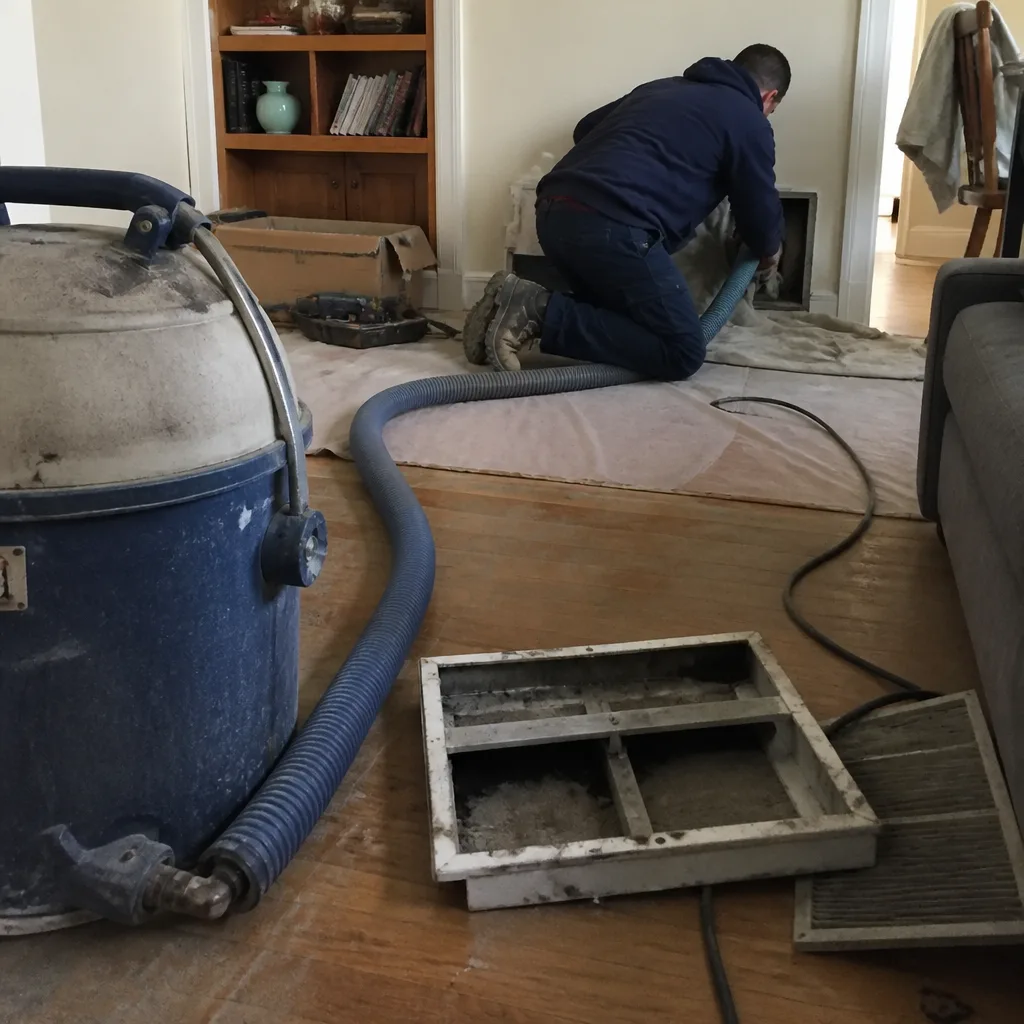 Before
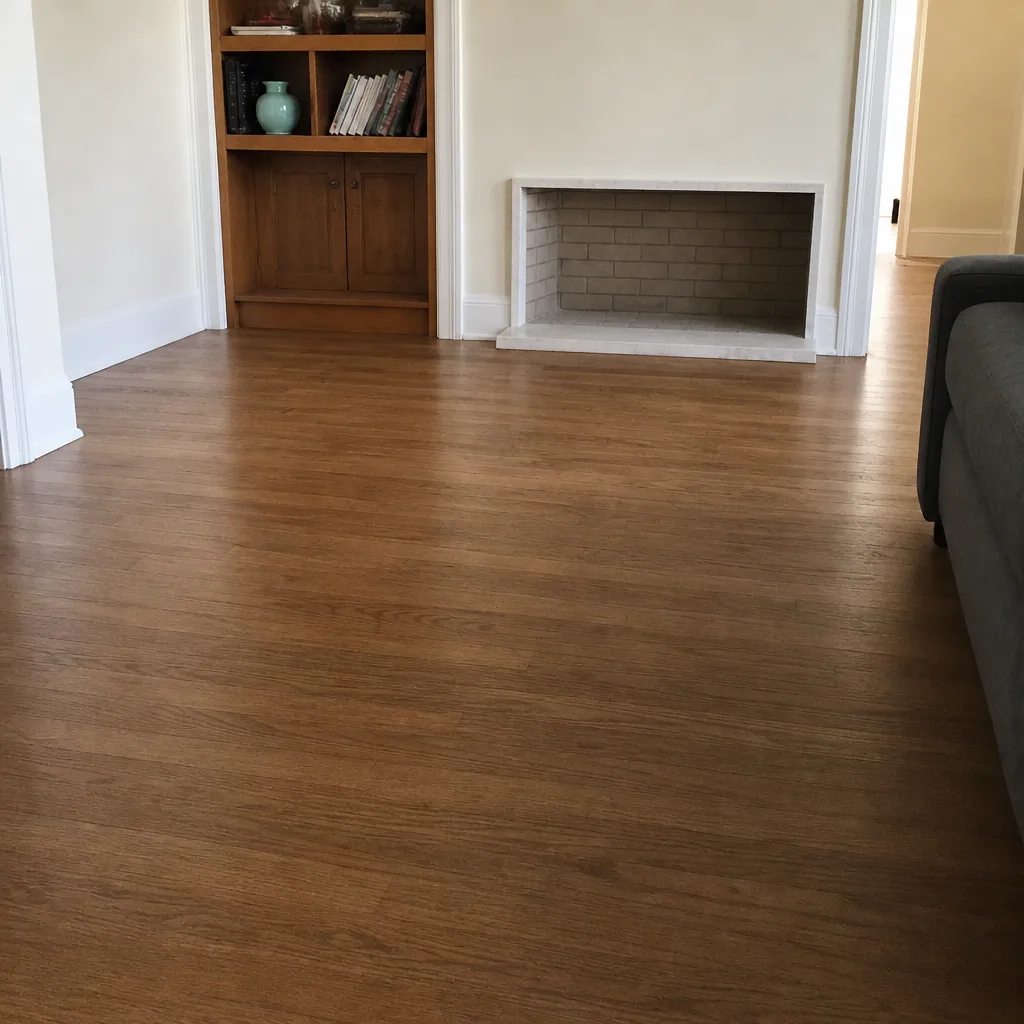 After
When to Call a Professional
Some situations call for a professional inspection rather than another load of filters. If you can see visible dust blowing from the registers when the system kicks on, that’s a sign the ducts are loaded. If you’ve recently finished a renovation and drywall dust settled through the house, the return ducts almost certainly pulled it in. If there’s a persistent musty smell when the air runs, or allergy symptoms that worsen inside the house, the system itself may be the source. And if it’s been years since the ducts or the dryer vent were checked, a professional inspection is the right starting point. A clogged dryer vent in particular is a fire hazard worth having checked on a schedule. Wakefield Air Duct Cleaning offers free estimates in Wakefield. Call (844) 902-2536. We answer 24/7. Fast dispatch from 7am to 7pm, Sunday through Friday.
Frequently Asked Questions
No. New York State does not license air duct cleaning contractors, which means there’s no state exam or governing board to verify competence. Because of that gap, the vetting responsibility falls on you as the homeowner. Ask about industry standards like the NADCA ACR standard, equipment and CFM ratings, documentation practices, and insurance before booking.
Pricing depends on the number of systems, the condition of the ductwork, and the scope of work, so the honest answer is that it varies. What matters more than a number is the pricing model: ask for a flat price per system, agreed after a pre-service inspection, rather than a per-vent rate. A written scope with a fixed price protects you from surprises. Call (844) 902-2536 for an exact quote. Estimates are free.
Cheap quotes usually reflect a cheaper job: less equipment, less time, no inspection, and no documentation. A per-vent price can’t account for your system’s actual condition, so the low number is often a door-opener rather than the real cost of thorough work. Compare bids by matched scope, not final price, and be wary of a quote offered before anyone has looked at your ducts. Call (844) 902-2536 for an honest, inspection-based estimate.
Before-and-after documentation. Ask the contractor to commit up front to photos or video of your ducts before cleaning and after, and to show you the results before they leave. Combined with a written scope of work and camera inspection, that documentation is your evidence the work happened. A contractor who won’t commit to it in advance is a reason to keep calling. Call (844) 902-2536 for a documented, flat-price estimate in Wakefield.
Most homes don’t need duct cleaning on a fixed calendar. The right interval depends on your situation: pets, allergies, recent renovations, visible dust at the registers, or a musty smell when the air runs all shorten it. In Wakefield’s climate, where humid summers and heavy winter heating cycles move a lot of air, homes that fall into those categories benefit from more frequent checks. A professional inspection is the practical way to judge. Call (844) 902-2536 to schedule one.
Treat it as its own service on its own schedule. A dryer vent packed with lint is a fire-safety hazard, so it deserves a dedicated check rather than being an optional add-on tacked to a duct cleaning visit. Many duct cleaners treat it as an afterthought. Ask specifically whether dryer vent cleaning is a dedicated service. Call (844) 902-2536 to arrange the cleaning.
The Bottom Line
New York doesn’t license duct cleaners, so your questions are the only real filter between a thorough job and a coupon special. The framework is simple: insist on a pre-service inspection, ask for the NADCA ACR standard and specific equipment details (contact cleaning, negative-air HEPA, CFM ratings, camera inspection), demand before-and-after documentation, verify insurance, and compare bids line-item by line-item instead of by final price. In Wakefield’s climate and mixed housing stock, a contractor who can explain your specific system is the one worth booking. If you want a straightforward conversation with a specialist who follows that framework, call (844) 902-2536. We answer 24/7. Fast dispatch from 7am to 7pm, Sunday through Friday. Estimates are free.
Written by the team at Wakefield Air Duct Cleaning.